
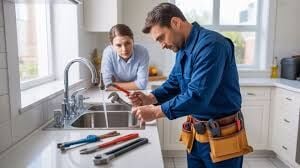
A plumbing problem has a way of announcing itself at the least elegant possible moment. A slow drain becomes a standing-water situation before guests arrive. A mystery drip turns into a ceiling stain. A water heater chooses a holiday weekend to express its feelings. Homeownership is full of little surprises, and plumbing is rarely the charming kind.
That is why having a trusted local plumber is less about panic and more about preparation. The best time to find one is not when water is traveling across the floor with the confidence of a small indoor river. It is before trouble starts, when you can choose carefully, ask smart questions, and build a reliable home maintenance plan that protects both comfort and property value.
Why a Local Plumber Matters Before There Is an Emergency
Most homeowners do not think about plumbing until something stops draining, starts leaking, or makes a noise that feels personally threatening. Yet plumbing systems quietly work every day, moving water in and out of the home with very little applause. When something goes wrong, quick action matters because water damage can spread rapidly through flooring, drywall, cabinetry, and other finishes.
A local plumber can often respond more quickly than a company located far outside the area. Proximity is not the only advantage, but it is a meaningful one when a pipe bursts, a sewer line backs up, or a water heater fails. In home maintenance, timing can be the difference between a manageable repair and a very expensive conversation with a restoration company.
Local Knowledge Can Lead to Smarter Repairs
Plumbing problems are not always the same from one neighborhood to the next. Older homes may have aging pipes, outdated fixtures, or drainage systems that need more careful evaluation. Some areas deal with hard water, mineral buildup, tree root intrusion, or soil conditions that can affect underground lines. A plumber who works regularly in the community is more likely to recognize those patterns quickly.
That local experience can make repairs more precise. Instead of treating every problem as a generic clog, leak, or pressure issue, a seasoned local plumber can look at the home, the neighborhood, the age of the system, and the likely causes. That kind of practical knowledge is especially helpful for homeowners who want long-term solutions rather than repeat visits for the same charming little disaster.
Emergency Plumbing Is Easier When You Already Have a Plan
During a plumbing emergency, decision-making tends to become less refined. No one is calmly comparing reviews while holding towels against a leaking pipe. This is why homeowners should identify a reputable plumber before they need one. Keep the company name, phone number, after-hours policy, and service area saved somewhere easy to find.
It also helps to know where the main water shutoff valve is located. Every adult in the home should be able to find it and turn it off. This one small piece of knowledge can limit damage while waiting for a local plumber to arrive. For readers who want a more complete homeowner-friendly routine, FINE’s guide to a no-guesswork plumbing checklist for beginners is a practical place to start.
Small Plumbing Problems Should Not Be Treated Like Background Noise
A slow drip under the sink may not look dramatic, but plumbing issues rarely improve through neglect. Minor leaks can damage cabinetry, flooring, drywall, and surrounding materials over time. Slow drains can signal buildup deeper in the system. A toilet that keeps running may waste water and raise utility costs. The U.S. Environmental Protection Agency’s WaterSense program notes that household leaks can waste significant amounts of water, which is one more reason not to ignore them.
Homeowners should pay attention to warning signs such as low water pressure, gurgling drains, damp smells, recurring clogs, water stains, unexplained increases in the water bill, or fixtures that no longer perform as they should. FINE’s article on common plumbing problems homeowners can catch before they turn serious fits neatly into this same home maintenance cluster because early attention is almost always cheaper than heroic repair work.
A Good Local Plumber Helps Protect the Whole Home
Plumbing touches more of the house than many people realize. Kitchens, bathrooms, laundry rooms, outdoor hose bibs, irrigation connections, water heaters, filtration systems, and sewer lines all depend on reliable water flow and drainage. When one part of the system fails, the effects can travel quickly, sometimes into spaces that have nothing to do with the original problem.
A trusted local plumber can help homeowners understand which parts of the system need regular attention. That might include flushing a water heater, checking exposed pipes, inspecting supply lines, clearing slow drains properly, or identifying outdated materials before they create larger issues. None of this is glamorous, but neither is tearing out flooring because a small leak was allowed to audition for a bigger role.
Trust Matters When Someone Is Working Inside Your Home
Hiring a plumber is not only about technical skill. It is also about trust. This person may be entering kitchens, bathrooms, garages, utility rooms, and crawl spaces. They may be diagnosing problems that homeowners cannot easily see. A reputable local plumber should communicate clearly, explain the issue, provide transparent pricing, and avoid pressuring homeowners into unnecessary upgrades.
Reviews, referrals, licensing, insurance, and experience all matter. It is worth asking how long the company has served the area, whether it handles emergency calls, what kinds of repairs it specializes in, and whether it offers maintenance or inspection services. Readers comparing options may also find FINE’s guide on how to find the right plumber by following essential tips helpful before making a decision.
Preventive Plumbing Advice Can Save Money Later
One of the benefits of building a relationship with a local plumbing professional is access to practical, property-specific advice. A plumber who understands the home can recommend maintenance based on the age of the system, water quality, fixture condition, and previous repair history. That is more useful than generic advice pulled from the internet at midnight while a sink refuses to cooperate.
Preventive care may include routine drain maintenance, water heater service, fixture inspections, pipe checks, or recommendations for replacing aging supply lines. A good local plumber can also explain which habits may be causing trouble, from pouring grease down the kitchen sink to treating the garbage disposal like it has the appetite of a raccoon.
Local Service Can Be Better for Long-Term Home Maintenance
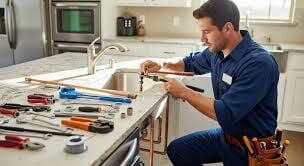
Working with the same plumber over time creates useful continuity. They learn the home’s history, past repairs, recurring issues, and system quirks. That familiarity can make future service faster and more accurate. It also helps homeowners avoid starting from zero every time something needs attention.
For luxury homeowners, second-home owners, and busy households, that continuity can be especially valuable. A reliable local plumber becomes part of the larger home care team, alongside HVAC technicians, electricians, landscapers, pool professionals, and other trusted service providers who keep a property running smoothly behind the scenes.
The Bottom Line on Hiring a Local Plumber
A beautiful home depends on the systems no one wants to think about during dinner. Plumbing is one of them. When everything works, it disappears into the background. When it fails, it becomes the main event very quickly.
Finding a dependable local plumber before an emergency gives homeowners a clear advantage. It means faster response, better local knowledge, stronger preventive care, and a more confident plan when something goes wrong. The goal is not to become obsessed with pipes and drains. The goal is to protect the home so the lovely parts of living in it can remain the focus.


(0) comments
We welcome your comments
Log In
Post a comment as Guest
Keep it Clean. Please avoid obscene, vulgar, lewd, racist or sexually-oriented language.
PLEASE TURN OFF YOUR CAPS LOCK.
Don't Threaten. Threats of harming another person will not be tolerated.
Be Truthful. Don't knowingly lie about anyone or anything.
Be Nice. No racism, sexism or any sort of -ism that is degrading to another person.
Be Proactive. Use the 'Report' link on each comment to let us know of abusive posts.
Share with Us. We'd love to hear eyewitness accounts, the history behind an article.