
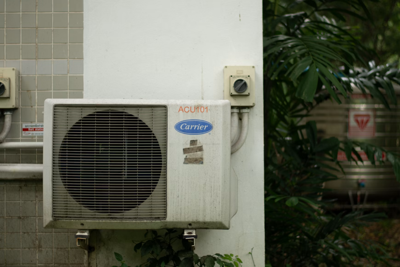

In Clearwater, Florida, where temperatures regularly climb into the 90s and humidity hovers near saturation, a functioning air conditioning system isn't a luxury—it's a necessity. When an AC unit fails during peak summer, the discomfort can be immediate and severe. Understanding the fundamentals of AC repair and maintenance helps homeowners keep their systems running efficiently while avoiding costly emergency calls.
This guide covers essential information about AC repair in Clearwater, from recognizing common problems to knowing when professional intervention is required. We'll examine routine maintenance practices, emergency service scenarios, and safe DIY approaches that can extend your system's lifespan without compromising safety or performance.
Common AC Problems in Florida's Climate
Florida's subtropical environment places unique demands on air conditioning systems. The combination of high heat, humidity, and salt air accelerates wear on components and creates conditions where certain failures occur more frequently than in other regions.
The most common issues requiring professional attention include:
- Refrigerant leaks: Often caused by corrosion in copper lines exposed to salt air and moisture.
- Frozen evaporator coils: Typically resulting from restricted airflow or low refrigerant levels.
- Compressor failure: Frequently linked to electrical issues or inadequate maintenance.
- Drainage problems: Condensate line clogs are especially common in humid climates.
- Thermostat malfunctions: Can stem from electrical issues or simple calibration drift.
Proper maintenance can prevent many of these issues and reduce energy consumption by 5-15%. For Clearwater residents, where AC units often run eight to ten months per year, this translates to significant savings.
Safe DIY Maintenance Tasks
While major repairs require licensed professionals, homeowners can safely perform several maintenance tasks that keep systems running efficiently. These routine procedures reduce strain on components and help identify potential problems before they escalate.
- Filter maintenance represents the single most important task homeowners can perform. In Florida's dusty, pollen-heavy environment, filters accumulate debris rapidly. Check filters monthly and replace them every 30-90 days depending on usage and household conditions. Homes with pets, smokers, or allergy sufferers should replace filters more frequently.
- Outdoor unit care requires regular attention in Clearwater's environment. Clear debris, leaves, and vegetation from around the condenser unit, maintaining at least two feet of clearance on all sides. Gently rinse the exterior fins with a garden hose to remove accumulated dirt and salt residue—never use a pressure washer, which can bend the delicate aluminum fins.
- Condensate drain inspection prevents water damage and system shutdowns. Locate the drain line (typically a PVC pipe near the indoor unit) and flush it quarterly with a mixture of water and vinegar to prevent algae growth. If water backs up or the drain pan contains standing water, the line may be clogged and require professional cleaning.
- Thermostat verification ensures accurate temperature control. Test your thermostat by setting it several degrees below room temperature and confirming the system activates. If readings seem inaccurate, check the battery and ensure the device isn't affected by direct sunlight or heat sources.
- Critical safety reminder: Always shut off power to the AC unit at both the thermostat and the circuit breaker before performing any maintenance. If you're uncertain about any procedure, contact a professional rather than risk injury or equipment damage.
When to Call for Emergency Service
Certain AC failures require immediate professional attention, both for comfort and to prevent secondary damage to your home or HVAC system. Recognizing these situations helps homeowners respond appropriately.
- Complete system failure during extreme heat poses health risks, particularly for elderly residents, young children, and those with medical conditions. If your AC won't turn on or produces no cool air despite a functioning thermostat, immediate service is warranted.
- Electrical issues demand urgent attention. Repeated circuit breaker trips, burning smells, or sparking sounds indicate potentially dangerous electrical problems. Shut off power to the unit immediately and contact an emergency technician. These symptoms can signal failing capacitors, damaged wiring, or motor problems that pose fire risks.
- Refrigerant leaks require prompt professional repair. While modern refrigerants are less toxic than older formulations, they still pose health risks and environmental concerns. Signs include hissing sounds near the unit, ice formation on refrigerant lines, and dramatically reduced cooling capacity. The Environmental Protection Agency regulates refrigerant handling, and only certified technicians can legally purchase and install these substances.
- Water leaks around the indoor unit can quickly damage ceilings, walls, and flooring. While a clogged condensate drain might seem minor, the resulting water damage can cost thousands to repair. If you notice water pooling around your indoor unit, shut down the system and call for service.
For situations requiring immediate attention, 24-hour emergency AC repair ensures you won't endure dangerous heat for long. Established local companies maintain on-call technicians specifically for these urgent scenarios.
Selecting an HVAC Contractor in Clearwater
The quality of your HVAC contractor directly impacts system performance, longevity, and your overall investment. Florida's licensing requirements provide baseline assurance, but additional factors separate exceptional contractors from merely adequate ones.
Licensing and insurance verification should be your first step. Florida requires HVAC contractors to hold state certification, and Pinellas County may impose additional local requirements. Request license numbers and verify them through the Florida Department of Business and Professional Regulation. Confirm the contractor carries both liability insurance and workers' compensation coverage to protect you from potential liability.
Experience with Florida-specific challenges matters significantly. Contractors familiar with coastal conditions understand how salt air affects equipment, which brands perform best in high-humidity environments, and how to properly size systems for Florida's climate. Ask how long they've operated in the Clearwater area and request references from local customers. Three Guys Master Tradesmen, ARS/Rescue Rooter, and One Hour Air Conditioning & Heating are among the established HVAC contractors in Clearwater with documented regional service histories worth evaluating against these criteria.
Service range and availability affect long-term satisfaction. Choose contractors offering comprehensive services including:
- Emergency repair availability
- Routine maintenance programs
- System replacement and installation
- Indoor air quality solutions
- Ductwork inspection and repair
Transparent pricing and written estimates protect both parties. Reputable contractors provide detailed written estimates before beginning work, clearly outlining labor costs, parts, and any potential additional charges. Be wary of unusually low bids, which often indicate inexperience, use of inferior parts, or hidden fees that emerge later.
Warranty coverage demonstrates contractor confidence in their work. Quality contractors offer warranties on both labor and parts, typically ranging from one to five years depending on the service. Understand what the warranty covers and any maintenance requirements necessary to keep it valid.
Preventive Maintenance Programs
Structured maintenance programs offer the most reliable approach to AC longevity and performance. These programs typically include biannual service visits—one before cooling season and another mid-summer—that address potential issues before they cause failures.
Professional maintenance visits typically include:
- Refrigerant level verification and adjustment
- Electrical connection inspection and tightening
- Condensate drain cleaning and treatment
- Evaporator and condenser coil cleaning
- Blower component inspection and lubrication
- Thermostat calibration verification
- Overall system performance testing
Energy Efficiency and Modern HVAC Technology
Recent advances in HVAC technology offer Clearwater homeowners opportunities to dramatically reduce energy consumption while improving comfort. Understanding these options helps when considering system upgrades or replacements.
- Variable-speed compressors represent one of the most significant efficiency improvements in residential AC systems. Unlike traditional single-speed units that cycle on and off, variable-speed systems adjust output to match cooling demand precisely. This approach reduces energy consumption, eliminates temperature swings, and provides superior humidity control—particularly valuable in Florida's muggy climate.
- Smart thermostats optimize system operation through learning algorithms and remote access. These devices analyze usage patterns, adjust temperatures based on occupancy, and allow homeowners to control systems from smartphones. The ENERGY STAR program estimates smart thermostats save an average of 8% on cooling costs, with higher savings possible in Florida's extended cooling season.
- Zoned HVAC systems divide homes into separate temperature zones, each controlled independently. This approach prevents overcooling unused spaces and allows customized comfort in different areas. For multi-story homes or those with varying sun exposure, zoning can reduce energy consumption by 20-30%.
- High-efficiency air handlers and ductwork maximize the effectiveness of even standard AC units. Properly sealed and insulated ducts prevent the 20-30% energy loss typical in older systems. Modern air handlers with variable-speed blowers distribute conditioned air more effectively while consuming less electricity.
Understanding SEER Ratings and Efficiency Standards
Seasonal Energy Efficiency Ratio (SEER) ratings measure AC efficiency, with higher numbers indicating better performance. Florida's climate and extended cooling season make efficiency particularly important for long-term operating costs.
Current federal minimum standards require 14 SEER for new installations in the Southeast, but units ranging from 16 to 25+ SEER are available. While high-efficiency units cost more initially, the energy savings accumulate significantly over the system's 15-20 year lifespan. A 16 SEER unit uses approximately 30% less energy than a 12 SEER system, translating to hundreds of dollars in annual savings for typical Clearwater homes.
When evaluating efficiency, consider both SEER ratings and proper system sizing. An oversized high-efficiency unit will perform worse than a correctly sized standard-efficiency system. Professional load calculations account for home size, insulation, window placement, and local climate to determine optimal capacity.
Indoor Air Quality Considerations
Beyond temperature control, modern HVAC systems play a crucial role in maintaining healthy indoor air quality. Florida's humidity, combined with tightly sealed modern homes, creates conditions where air quality problems can develop.
- Humidity control prevents mold growth and improves comfort. While AC systems naturally dehumidify air during operation, dedicated dehumidifiers or enhanced AC features may be necessary in particularly humid areas or homes with moisture issues. Maintaining indoor humidity between 30-50% prevents mold while avoiding the respiratory irritation associated with overly dry air.
- Advanced filtration systems remove allergens, bacteria, and particulates that standard filters miss. HEPA filters capture 99.97% of particles 0.3 microns or larger, while UV light systems neutralize biological contaminants. For households with allergies, asthma, or immune concerns, these upgrades provide measurable health benefits.
- Ventilation systems introduce fresh outdoor air while exhausting stale indoor air, preventing the buildup of indoor pollutants. Energy recovery ventilators (ERVs) precondition incoming air using outgoing air, minimizing the energy penalty of ventilation in Florida's climate.
Maintaining your AC system in Clearwater requires balancing DIY maintenance, professional service, and informed decision-making about repairs and upgrades. By understanding your system's needs and working with qualified contractors, you can ensure reliable comfort throughout Florida's demanding climate while controlling long-term costs.

(0) comments
We welcome your comments
Log In
Post a comment as Guest
Keep it Clean. Please avoid obscene, vulgar, lewd, racist or sexually-oriented language.
PLEASE TURN OFF YOUR CAPS LOCK.
Don't Threaten. Threats of harming another person will not be tolerated.
Be Truthful. Don't knowingly lie about anyone or anything.
Be Nice. No racism, sexism or any sort of -ism that is degrading to another person.
Be Proactive. Use the 'Report' link on each comment to let us know of abusive posts.
Share with Us. We'd love to hear eyewitness accounts, the history behind an article.