
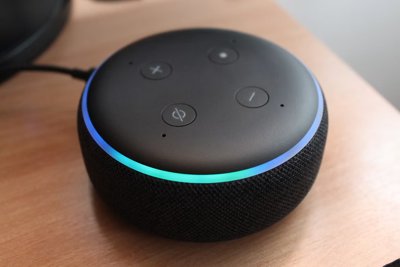

Voice assistants have moved far beyond answering simple questions or playing music, becoming an increasingly useful part of modern smart home management. Homeowners can now use spoken commands to interact with lighting, security systems, thermostats, entertainment devices, and other connected technology without reaching for a phone or control panel. For homeowners interested in using Amazon Alexa with Total Connect, an integration guide can explain how the two platforms are connected and how Alexa voice commands can be used with compatible Total Connect 2.0 security and automation features.
Making Everyday Home Management Easier
One of the biggest advantages of voice assistants is their ability to simplify routine household tasks. Instead of opening several applications to manage different devices, users can often control compatible technology through short voice commands. This can make everyday actions such as adjusting lights, changing temperatures, or checking connected devices quicker and more convenient.
Voice control can be particularly useful when people are occupied with other activities around the home. Someone preparing dinner, carrying groceries, or getting ready for work may be able to control a device without stopping what they are doing. This hands-free approach helps smart home technology become part of ordinary routines rather than something that constantly requires manual interaction.
Bringing Different Smart Devices Together
Modern homes may contain connected products from several manufacturers, which can make managing them complicated. Voice assistants can provide a central point of interaction for compatible devices, reducing the need to switch between different applications and interfaces. This creates a more connected experience where several technologies can work together more naturally.
Integration also makes it possible to create routines involving multiple devices at once. A simple command could potentially adjust lighting, change the thermostat, and activate other compatible equipment according to predefined settings. Instead of thinking about each individual device, homeowners can focus on the activity they want their smart home to perform.
Changing the Way Home Security Is Managed
Security is another area where voice assistants are influencing smart home management. Compatible security platforms may allow users to request system information or perform certain supported actions using voice commands. This can provide another convenient way to interact with security technology while remaining at home.
However, convenience should always be balanced with appropriate security controls. Homeowners should understand exactly which commands are supported, what authentication measures are required, and how their connected accounts are protected. Reviewing privacy settings and keeping devices updated can also reduce unnecessary risks when security systems are linked with voice technology.
Creating More Personalized Home Experiences
Voice assistants are becoming more useful as smart home systems offer greater personalization. Households can create routines based on their schedules, preferences, and commonly performed activities. A morning routine, for example, might activate selected lights and adjust the temperature without requiring several separate commands.
These personalized routines can also change throughout the day. Evening settings might reduce lighting levels, adjust connected climate controls, and prepare selected devices for nighttime use. As households refine these routines, voice assistants can help make smart technology feel less like a collection of gadgets and more like a coordinated home environment.
Improving Accessibility Around the Home
Voice-controlled technology can also make connected homes easier to use for people who find traditional interfaces inconvenient. Small buttons, touchscreens, and smartphone applications may not always be practical for every user. Spoken commands provide another method of interacting with compatible household technology without requiring detailed physical input.
This flexibility can be useful for older adults, people with limited mobility, or anyone who prefers hands-free controls. It may also reduce the learning curve associated with increasingly complex smart home systems. Rather than remembering where a particular setting is located within an application, users can often request the desired action directly.
The Future of Voice-Controlled Smart Homes
Voice assistants are likely to become more closely integrated with household technology as smart home ecosystems continue developing. Improvements in natural language processing could allow systems to better understand conversational requests rather than relying on rigid command structures. This may make interactions with connected devices feel faster, simpler, and more intuitive.
At the same time, consumers will continue expecting stronger privacy, security, and compatibility from connected products. Manufacturers and service providers will need to balance convenience with responsible data handling and dependable account protection. Smart home systems that achieve this balance are more likely to earn long-term trust from users.
Voice assistants are changing smart home management by making connected technology easier to control, coordinate, and personalize. From everyday routines and accessibility to home security and automation, spoken commands can reduce the effort required to interact with a growing number of devices. As voice technology continues to improve, its most valuable role may be helping different parts of the smart home work together in a way that feels simple, practical, and responsive.
(0) comments
We welcome your comments
Log In
Post a comment as Guest
Keep it Clean. Please avoid obscene, vulgar, lewd, racist or sexually-oriented language.
PLEASE TURN OFF YOUR CAPS LOCK.
Don't Threaten. Threats of harming another person will not be tolerated.
Be Truthful. Don't knowingly lie about anyone or anything.
Be Nice. No racism, sexism or any sort of -ism that is degrading to another person.
Be Proactive. Use the 'Report' link on each comment to let us know of abusive posts.
Share with Us. We'd love to hear eyewitness accounts, the history behind an article.