


Your home looks beautiful, the heating and cooling systems seem to work, and yet the energy bills keep climbing. One bedroom is always colder than the others, the air conditioner runs longer than expected, and adjusting the thermostat never quite solves the problem.
One bedroom is always colder than the rest of the house. The air conditioner seems to run constantly. Your energy bills keep rising, even though your daily routine hasn't changed.
It's tempting to blame the windows, the heating system, or an aging appliance. But replacing expensive equipment before identifying the problem can mean spending thousands without solving it.
Sometimes the culprit is much simpler: a worn door seal, insufficient attic insulation, or conditioned air escaping through damaged ductwork.
A DIY home energy audit helps homeowners investigate these possibilities before making major improvements. For an initial visual inspection, you don't need specialized equipment. A flashlight, recent utility bills, and about an hour of focused attention can reveal valuable clues.
Optional diagnostic tools can take the investigation further, while professional testing, including blower-door testing and infrared diagnostics, can identify problems a visual inspection may miss.
The goal is to understand where energy may be wasted, what you can safely check yourself, and which improvements are actually worth the investment.
Start With Your Energy Bills, Not Your Windows
Before inspecting the house, gather 12 months of electricity and gas bills. Compare actual consumption, measured in kilowatt-hours for electricity and therms or cubic feet for natural gas, rather than simply looking at dollar amounts.
A higher bill doesn't necessarily mean your home has become less efficient. Utility rates, weather, billing periods, and household habits all affect costs.
Compare the same months across different years. An increase during an unusually hot summer might be understandable. A persistent rise despite similar weather and household routines deserves further attention.
If your utility provides hourly consumption data, check whether usage spikes when the house is unoccupied or during hours when major appliances shouldn't be operating.
What the result means: Unexplained increases suggest where to investigate, but they don't identify the cause. Record your findings so you can compare consumption after making improvements.
Your One-Hour Home Energy Audit Checklist
Instead of inspecting everything randomly, work through the house systematically.
Time | Inspection Area | What to Look For |
10 minutes | Utility bills | Unusual consumption patterns |
15 minutes | Doors and windows | Drafts, worn seals, visible gaps |
10 minutes | Attic | Insulation gaps, exposed joists, moisture |
15 minutes | HVAC system | Dirty filters, restricted airflow, visible duct damage |
10 minutes | Appliances and water heater | Unnecessary energy use, leaks, inefficient settings |
Photograph suspicious areas and record which rooms feel unusually warm or cold. For each observation, identify a possible cause, a reasonable next step, and whether professional attention is needed.
Never dismantle electrical or gas equipment, disturb suspicious older insulation, or enter unsafe attic and crawl spaces.
Find Air Leaks Before Replacing Your Windows
Windows and exterior doors are obvious places to begin, but don't assume every cold surface indicates an air leak.
Try the paper test. Close a window or exterior door on a thin sheet of paper and gently pull. If the paper slides out easily, the weatherstripping or closing pressure may deserve attention.
Repeat the test around the frame. Then inspect door sweeps, cracked caulking, and visible gaps around plumbing or utility penetrations.
For minor gaps at suitable movable joints, Frost King Rubber Foam Weatherseal provides a self-adhesive option for replacing deteriorated seals.
Choose the correct thickness. Material that's too bulky can prevent a window or door from closing properly.
What the result means: A loose seal may be a relatively inexpensive repair. A window that feels cold without detectable airflow could instead be experiencing ordinary heat transfer through its glass.
That's an important distinction when deciding whether expensive window replacement is justified.
Check the Attic for Problems You Can't See From Below
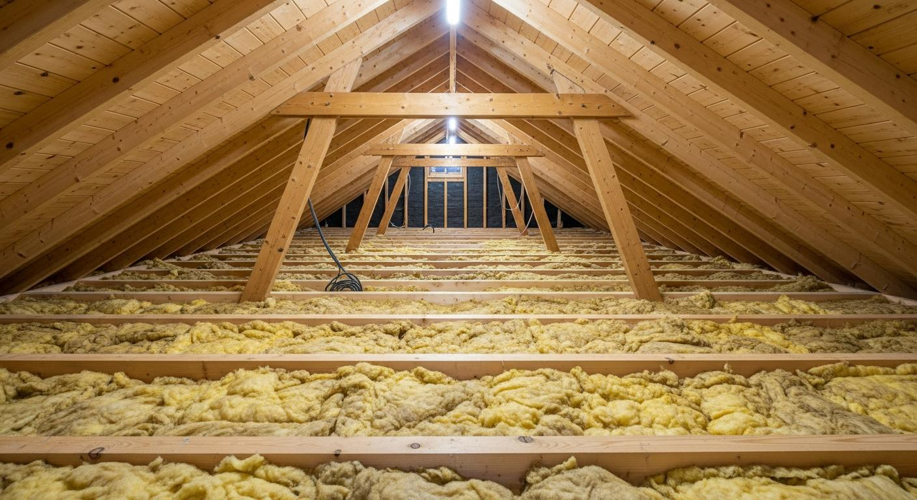
A room with expensive windows and a beautifully finished interior can still feel uncomfortable when the attic above it is poorly insulated.

From a safe, accessible position, examine the insulation using a flashlight. Look for exposed ceiling joists, uneven coverage, disturbed materials, and moisture stains.
Insulation slows heat transfer, while air sealing limits unwanted airflow through gaps. Both are important, and appropriate air leaks should generally be addressed before additional insulation is installed.
For homeowners investigating unusual temperature differences, the RISION Magic Smartphone Thermal Camera connects to compatible devices and displays surface-temperature patterns.
When indoor and outdoor temperatures differ meaningfully, thermal images may highlight unusually warm or cold areas around windows, ceilings, or exterior walls.
However, thermal imaging doesn't see through walls or prove insulation is missing. Sunlight, building materials, and surface conditions influence readings. Check smartphone compatibility before purchasing.
Moisture deserves separate attention. If an accessible wall or attic surface shows suspicious staining, the General Tools MMD4E Pin-Type Moisture Meter can help compare moisture readings in suitable wood or drywall.
Repeatedly elevated readings may indicate a problem worth investigating before adding insulation. The meter cannot identify the moisture source, and its pins can leave small marks.
What the result means: Uneven insulation or repeated temperature anomalies justify closer investigation. Evidence of moisture should be addressed before covering an area with new materials.
Check Whether Your HVAC System Is the Real Problem
A heating or cooling system that struggles to maintain comfortable temperatures doesn't automatically need replacing.
Begin with the air filter. Make sure supply registers and return-air grilles aren't obstructed, and pay attention to unusual noises or inconsistent operation.
Then compare rooms. If one bedroom is consistently warmer than another, possible causes include restricted airflow, duct damage, insulation deficiencies, or excessive solar exposure.
Where ductwork is safely visible, look for disconnected sections, damaged insulation, or loose connections.
According to ENERGY STAR's duct-sealing guidance, approximately 20%–30% of the air moving through duct systems in a typical house can be lost through leaks, holes, and poorly connected ducts.
That's an estimate for typical homes, not a measurement of your particular system.
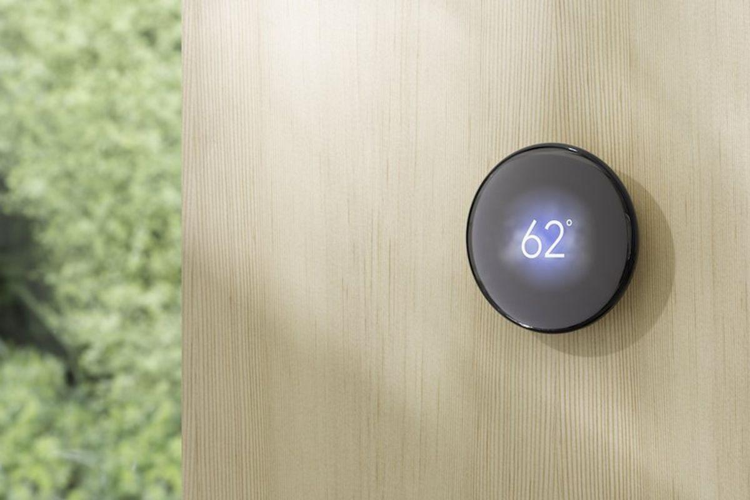
Also examine your thermostat's location. Direct sunlight, nearby heat sources, and drafts can affect its readings. A smarter thermostat won't compensate for damaged ducts or insufficient insulation.
What the result means: Persistent room-to-room temperature differences or visible duct damage warrant professional investigation before an expensive equipment replacement.
Find the Smaller Energy Drains Worth Fixing
Not all energy waste occurs in the heating and cooling system.
Check refrigerator door seals, review appliance settings, and replace frequently used incandescent bulbs with efficient LEDs.
For more precise information, the P3 International Kill A Watt P4400 Electricity Monitor measures electricity consumed by compatible plug-in devices.
Rather than guessing whether a television, desktop computer, or other appliance is using excessive energy, you can monitor its consumption over time.
Follow the device's electrical ratings. The P4400 is designed for standard North American household outlets and is not suitable for every appliance or electrical system.
For example, a device continuously drawing 10 watts uses approximately 7.2 kilowatt-hours over 30 days.
At an illustrative electricity rate of $0.20 per kWh, that represents about $1.44 per month.
What the result means: A small device may cost very little to operate, even if it's always plugged in. Measuring consumption helps identify which changes are worth making rather than replacing equipment unnecessarily.
Also inspect your water heater for visible leaks or unusual operation, but leave gas components and unfamiliar electrical controls to qualified professionals.
Which Energy Problems Should You Fix First?
Once the inspection is complete, resist the temptation to turn every finding into a renovation project.
Use this table to decide what deserves immediate attention and what needs additional evidence.
What You Find | Recommended Action | Priority |
Worn door or window seals | Replace suitable weatherstripping | Easy first fix |
Dirty HVAC filter | Replace according to manufacturer guidance | Easy first fix |
Thin or uneven attic insulation | Assess sealing and insulation needs | Planned upgrade |
Unexplained room temperature differences | Investigate airflow and insulation | Further diagnosis |
Damaged or disconnected ducts | Arrange professional inspection | High priority |
Moisture, electrical, or combustion concerns | Contact a qualified professional | Immediate safety priority |
The smartest improvement is the one that corrects a verified problem.
Replacing an air conditioner won't repair disconnected ducts. New windows may not solve an attic insulation problem. Solar panels won't eliminate unnecessary electricity consumption.
Diagnose first, then invest.
What Could the Improvements Actually Save?
According to ENERGY STAR's energy-savings methodology, appropriate air sealing and insulation improvements can save homeowners an average of approximately 15% on heating and cooling costs in typical existing U.S. homes.
Actual savings depend on climate, existing conditions, energy prices, and the improvements completed.
Consider a hypothetical homeowner spending $1,600 annually on heating and cooling.
If the improvements achieve a 15% reduction, annual savings would be approximately $240.
If the project costs $1,200, the simple payback period would be five years.
Simple payback = Project cost ÷ Estimated annual savings
This calculation excludes financing, maintenance, and changing energy prices. It also doesn't capture the value of improved comfort or correcting underlying moisture problems.
Nevertheless, it gives homeowners a useful question to ask before approving an expensive project: What evidence supports the expected savings?
When Is a Professional Home Energy Audit Worth It?
A DIY inspection can uncover visible problems, but it cannot reliably measure whole-house air leakage or identify every concealed defect.
Professional energy auditors may use blower-door testing, infrared imaging, and duct leakage measurements to investigate issues requiring specialized equipment.
According to Angi's 2026 home energy audit cost data, a professional assessment costs approximately $439 on average, with most homeowners paying between $212 and $702.
Professional testing is particularly worthwhile when energy consumption remains unusually high, comfort problems persist despite maintenance, or you're considering major insulation, window, or HVAC investments.
Before hiring an assessor, ask which tests are included, whether ventilation and combustion safety will be evaluated where appropriate, and whether you'll receive a written report prioritizing recommended improvements.
Your local utility provider may also offer discounted assessments.
The value of a professional audit isn't simply finding more problems. It's distinguishing necessary repairs from improvements that may offer little benefit.
The FINE Take

A more efficient home isn't necessarily one with the newest windows, the most sophisticated thermostat, or the most expensive heating system.
It's one where the structure, equipment, and everyday habits work together intelligently.
Sometimes the most worthwhile improvement is surprisingly modest: properly fitted weatherstripping, better attic insulation, or a repair that allows existing equipment to perform as intended.
A DIY home energy audit helps homeowners move beyond assumptions and understand what their particular property actually needs.
Start with the evidence, correct straightforward problems, and reserve major investments for improvements that can be justified.
Because the smartest home upgrade isn't always something new. Sometimes, it's discovering why the home you already love isn't performing as well as it should.

(0) comments
We welcome your comments
Log In
Post a comment as Guest
Keep it Clean. Please avoid obscene, vulgar, lewd, racist or sexually-oriented language.
PLEASE TURN OFF YOUR CAPS LOCK.
Don't Threaten. Threats of harming another person will not be tolerated.
Be Truthful. Don't knowingly lie about anyone or anything.
Be Nice. No racism, sexism or any sort of -ism that is degrading to another person.
Be Proactive. Use the 'Report' link on each comment to let us know of abusive posts.
Share with Us. We'd love to hear eyewitness accounts, the history behind an article.