


A home rarely goes from perfectly fine to seriously damaged overnight.
More often, it starts with something small. A faint stain on the ceiling. A bathroom drain that takes a little longer to empty. An air conditioner that suddenly sounds different. Nothing dramatic, and certainly nothing that feels urgent enough to interrupt a busy weekend.
Until it does.
The trouble with home maintenance is that the most important work often happens before there is anything interesting to see. Nobody admires clean gutters or a properly serviced heating system. But they certainly notice when either stops doing its job.
Fortunately, keeping a home in excellent condition does not require becoming an amateur contractor. It simply requires knowing where to look, what deserves attention, and when a small problem is no longer small.
The Home Maintenance Checklist at a Glance
If you remember only one thing, make it this: a few minutes of regular attention can prevent months of inconvenience.
Here's a simple schedule worth keeping.
Every month
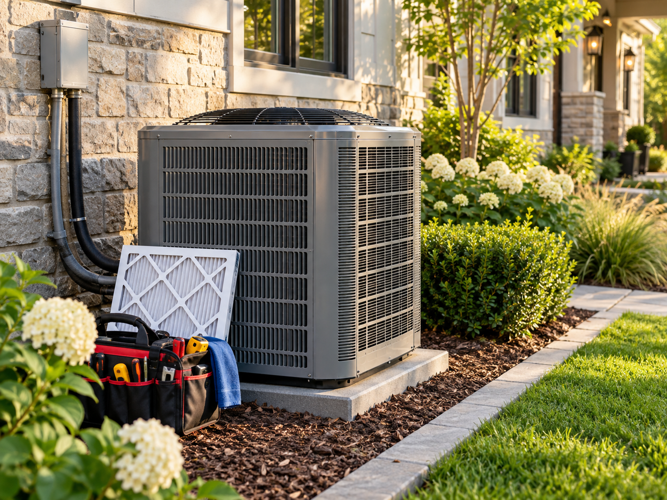
Check HVAC filters and replace them when needed.
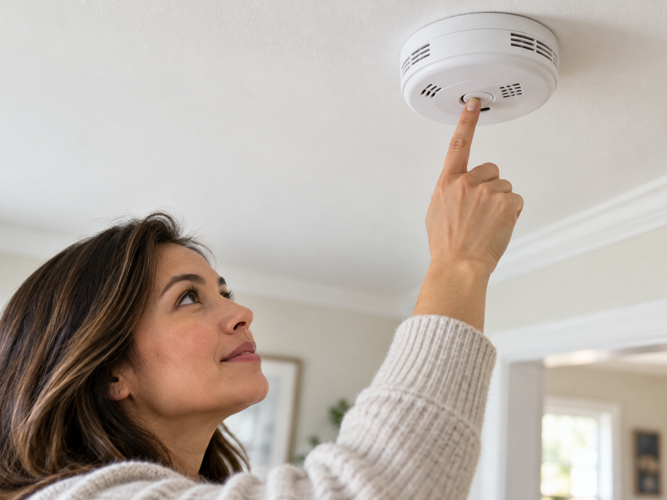
Test smoke and carbon monoxide alarms according to their instructions.
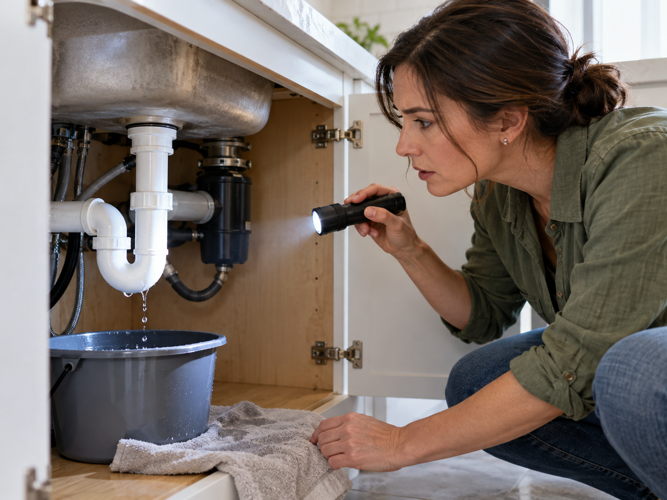
Look beneath sinks and around toilets for leaks.
Notice slow drains, unusual odors, and new equipment noises.
Clean the dryer lint screen after every load and watch for vent problems.
Check for moisture stains, condensation, and dampness.
Every 3–6 months
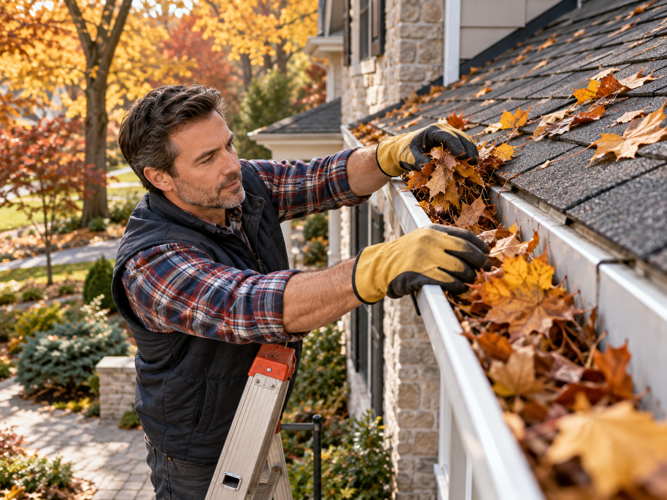
Inspect gutters, downspouts, and exterior drainage.
Check windows, doors, and weatherstripping.
Look for cracks in siding, paint, and exterior sealants.
Inspect accessible appliance hoses and plumbing connections.
Check dryer exhaust airflow and clean the vent as needed.
Once a year
Schedule appropriate HVAC servicing.
Assess roof condition and arrange professional inspection when warranted.
Review water-heater maintenance requirements.
Evaluate trees, landscaping, and drainage near the foundation.
Arrange chimney inspection if you use a fireplace.
These are starting points rather than rigid rules. Climate, equipment age, manufacturer recommendations, and previous problems may call for a different schedule.
The Five-Minute Walkthrough That Can Save You Money
Before building an elaborate maintenance calendar, try something simpler: walk through your home once a month and look at it as though you were seeing it for the first time.
Open the cabinet beneath the kitchen sink. Is the wood dry? Look around the base of the toilet. Check the ceiling near upstairs bathrooms. Listen when the air conditioner starts. Notice whether doors close properly or a room suddenly feels more humid than usual.
These observations matter because water and mechanical problems often leave clues before they become emergencies. A persistent slow drain may signal a developing obstruction. A running toilet can waste water quietly, while a damp cabinet can conceal a leaking connection. The EPA's WaterSense home maintenance guidance emphasizes checking for leaks regularly because even small problems can waste water and cause property damage.

The same principle applies to safety. The U.S. Fire Administration recommends testing smoke alarms monthly and replacing them after ten years. Carbon monoxide alarms should also be maintained and replaced according to manufacturer instructions.
Think of this monthly walkthrough as preventive care for the house. It isn't glamorous, but neither is replacing a bathroom floor because a leak went unnoticed.
Spring Is When the House Gets Its Annual Once-Over
Spring cleaning gets plenty of attention. Spring inspecting deserves just as much.
After winter, look for loose roof materials, damaged flashing, blocked gutters, peeling exterior paint, and cracks around windows. Check that rainwater flows away from the house rather than pooling around patios, walkways, or foundation walls.
This is also a good time to prepare the air conditioner before summer makes it indispensable. Examine irrigation systems for leaks, check sprinkler heads, and look for deterioration in decks, railings, and outdoor steps.
The roof deserves particular attention. Small roofing problems can become much more serious when moisture reaches the insulation, ceilings, or structural materials beneath.
You do not need to climb onto the roof yourself. A careful ground-level observation, followed by professional evaluation when something looks wrong, is a safer place to begin.
Summer Is About Keeping Things Running Smoothly
A comfortable home can make summer feel effortless. The systems working behind the scenes may be having a very different experience.
Air conditioning often carries the heaviest workload. If certain rooms are suddenly warmer, airflow weakens, or the system begins cycling unusually, investigate before the next heat wave.
Outside, check irrigation connections, outdoor faucets, and pool equipment where applicable. A leak that goes unnoticed for weeks can waste water and damage nearby surfaces.
Summer also gives homeowners an opportunity to inspect exterior caulking, watch for pests, and evaluate trees close to the house. Branches rubbing against roofing or vegetation trapping moisture against siding deserve attention.
And remember that landscaping is not entirely separate from maintenance. Beautiful planting should complement a home, not interfere with its drainage, ventilation, or structure.
Fall Is When Smart Homeowners Get Ahead of Winter

If there is one season when procrastination becomes particularly expensive, it is fall.
The first priority is water. Clear gutters, inspect downspouts, examine the roof, and confirm that rainwater has somewhere appropriate to go. Gutters do more than keep leaves off the roofline. They help direct water away from exterior walls and foundations.
When gutters repeatedly overflow, the issue may be more than an accumulation of leaves. Improper slope, damaged sections, or insufficient drainage can also contribute. FINE's guide to what to do when gutters fail explains why identifying the underlying problem matters.
Next comes comfort. Have the heating system serviced before it is needed constantly. Inspect weatherstripping around windows and exterior doors, and look for obvious air leaks. The U.S. Department of Energy identifies air sealing and weatherstripping as practical ways to improve comfort and reduce energy waste.
If your home has a fireplace, arrange appropriate chimney inspection before using it for the season. Review smoke and carbon monoxide alarms, too.
In colder climates, this is also the time to identify vulnerable pipes and prepare them for freezing temperatures. In Southern California, preparation may focus more on winter rain, wind, and drainage than snow or ice.
Different weather, same principle: prepare before the forecast gives you a reason to worry.
Winter Is When Hidden Problems Become Visible
Winter has a way of revealing weaknesses that were easy to overlook during milder weather.
A draft around a window becomes more noticeable. Condensation gathers along a poorly ventilated surface. A minor roof defect announces itself as a stain after heavy rain. In freezing climates, insufficiently protected plumbing may become a serious concern.
Pay attention to how the house performs rather than simply how it looks. Are rooms heating evenly? Is moisture accumulating somewhere unusual? Has a previously dry wall developed discoloration?
Do not dismiss recurring condensation or water intrusion as normal winter behavior. Persistent moisture deserves investigation, particularly when accompanied by a musty odor or deteriorating finishes.
For homes in milder coastal climates, winter maintenance may mean keeping rainwater out and controlling humidity. For homes facing freezing temperatures, protecting plumbing and maintaining reliable heat become essential.
The Five Home Systems Worth Protecting Most
Not every maintenance issue carries the same financial consequences.
A scratched cabinet can wait. A roof leak, electrical fault, or plumbing failure often cannot.
The five systems that deserve the greatest attention are roofing, HVAC, plumbing, electrical, and foundation drainage.
The roof protects the materials beneath it. HVAC equipment affects comfort, airflow, and operating costs. Plumbing carries the risk of hidden water damage, while electrical problems may create serious safety hazards.
Foundations and drainage are especially easy to underestimate. Water repeatedly collecting beside a house can contribute to moisture intrusion and, under some conditions, soil movement and structural damage.
The smartest maintenance budgets prioritize these essential systems before cosmetic upgrades.
The Small Problems That Become Expensive Repairs
Every homeowner has a maintenance task they intend to get around to eventually.
The challenge is knowing when eventually is becoming a costly decision.
Consider a small brown stain on a bedroom ceiling. Painting over it may temporarily restore the room's appearance, but it does nothing to address a possible leak above it.
Or the air conditioner that takes longer to cool the house each summer. Waiting until it stops working entirely can turn a manageable service visit into an uncomfortable emergency.
Other warnings are easy to rationalize. A slow drain is blamed on daily use. Gutters overflow only when it rains. A garage door starts making a grinding noise, but still opens. An aging roof receives another patch without anyone evaluating whether repeated repairs remain sensible.
None of these symptoms automatically means a major failure is coming. But each deserves investigation.
The point is not to assume the worst. It is to stop assuming every change is harmless.
Know Which Jobs Are Yours—and Which Aren't
There is satisfaction in taking care of your own home. Replacing a filter, testing an alarm, checking for visible leaks, or installing basic weatherstripping can be straightforward, useful maintenance.
But confidence should never replace training.
Electrical panel work, gas-appliance repairs, significant roofing projects, major plumbing leaks, refrigerant repairs, chimney defects, and structural problems generally require qualified professionals.
Even garage-door repairs deserve caution when springs or cables are involved. These components can remain under dangerous tension.
FINE's article on home maintenance tasks worth hiring a professional for offers a closer look at where professional expertise can protect both the property and the homeowner.
Knowing when to make the call is not a failure of DIY ambition. It is good judgment.
Your Home Maintenance Calendar Without the Overthinking

A calendar works best when it is realistic enough to follow. Rather than scheduling dozens of separate chores, give each part of the year a general purpose.
Time of Year | What Deserves Attention |
January–March | Check heating, indoor moisture, plumbing, and winter storm damage. |
April–June | Review roofing, gutters, cooling systems, irrigation, and outdoor spaces. |
July–September | Monitor AC performance, landscaping, pests, and exterior wear. |
October–December | Prepare heating, chimneys, drainage, weatherstripping, and winter protection. |
Keep monthly safety and leak checks going throughout the year. Adjust the larger seasonal tasks to suit local weather rather than following calendar dates blindly.
One final habit makes all of this easier: keep a simple record of service dates, repairs, warranties, and recurring problems. That way, you're not trying to remember when the air conditioner was last serviced or whether the roof leak was repaired two years ago or four.
The FINE Take
The homes that age beautifully are not necessarily the ones with the most expensive finishes or the newest technology.
They are the ones that receive attention.
Not constant attention. Not the kind that turns every weekend into another renovation project. Just the sensible habit of noticing when something changes, addressing problems while they are manageable, and protecting the systems that make everyday life comfortable.
Because the true luxury of a well-maintained home is not a flawless inspection report.
It is enjoying the home you have created without letting small, preventable problems take over the life happening inside it.

(0) comments
We welcome your comments
Log In
Post a comment as Guest
Keep it Clean. Please avoid obscene, vulgar, lewd, racist or sexually-oriented language.
PLEASE TURN OFF YOUR CAPS LOCK.
Don't Threaten. Threats of harming another person will not be tolerated.
Be Truthful. Don't knowingly lie about anyone or anything.
Be Nice. No racism, sexism or any sort of -ism that is degrading to another person.
Be Proactive. Use the 'Report' link on each comment to let us know of abusive posts.
Share with Us. We'd love to hear eyewitness accounts, the history behind an article.