
There is a particular kind of disappointment that happens when you arrive home after a demanding day, hoping for a little peace, only to discover that your house has other plans.
The kitchen counter is covered in mail. The living room lighting feels unnecessarily bright. There is laundry waiting in the bedroom, a television playing in the background, and nowhere convenient to put the bag you've been carrying all day.
Nothing is particularly wrong with the house. Yet somehow, being home doesn't feel as relaxing as it should.
We spend considerable time designing homes that look beautiful, but perhaps not enough thinking about how they make everyday life feel. A calming home doesn't need to resemble a luxury spa or a perfectly staged interior. It needs to offer comfort, organization, and the freedom to enjoy being there.
And often, creating that feeling has less to do with redecorating than with solving the small frustrations we've learned to live around.
A Calmer Home Begins Before You Reach the Living Room
Think about the first five minutes after walking through your front door. Do you have somewhere to put your keys, shoes, and bag? Or does everything end up on the nearest available surface?
A beautifully styled entryway is of little use if it cannot accommodate the things people carry home every day.
Start by observing where belongings naturally accumulate. That is where storage should go, even if a design magazine might suggest otherwise.
For a narrow entrance, IKEA's TRONES shoe-storage cabinet is one practical example. At just over seven inches deep, it keeps everyday footwear out of sight without consuming much hallway space. A small ceramic tray on top can hold keys and sunglasses, while sturdy wall hooks above provide a convenient place for bags and coats. Wall-mounted storage should always be secured as directed.
Mail deserves its own solution. A slim wall-mounted letter holder prevents unopened envelopes from taking over the kitchen counter. Establish a simple habit of sorting it before leaving the entryway.
None of this requires custom cabinetry. In fact, a modest combination of well-positioned storage, attractive materials, and clear surfaces can make an entrance feel considerably more considered.
Good design shouldn't demand better habits before it becomes useful. It should make everyday habits easier.
Give Your Home Room to Breathe
Clutter doesn't always mean having too many possessions. Sometimes, it means having too many things competing for attention.
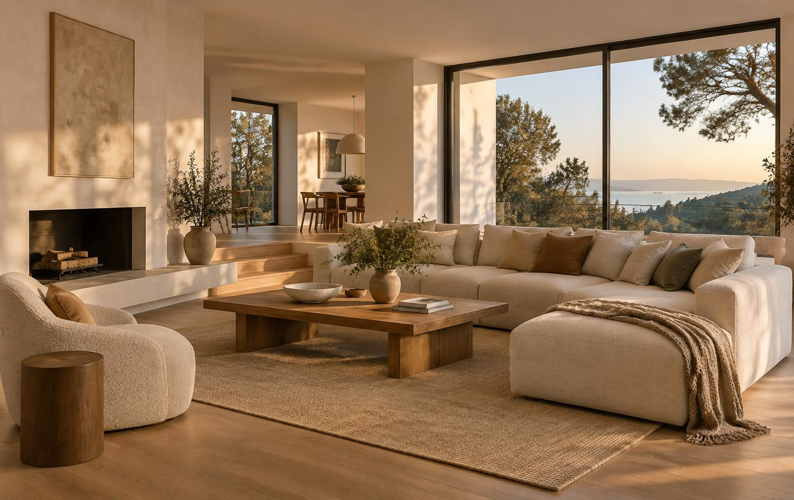
A living room can contain beautiful furniture, meaningful artwork, and carefully chosen accessories, yet still feel overwhelming if every shelf, table, and corner is filled.
Instead of stripping away everything that gives your home personality, become more selective about what remains visible.
Choose one surface to keep largely clear. Let a favorite painting command attention rather than surrounding it with smaller pieces. Gather decorative objects into intentional arrangements instead of distributing them across every available shelf.
For the less attractive necessities of everyday life, closed storage is often more useful than another decorative basket.
Consider a sideboard with adjustable shelves and solid doors, such as IKEA's BESTÅ storage system. A cabinet like this can hold charging accessories, board games, paperwork, and spare throws while keeping the room visually composed.
The important step happens inside the cabinet. Give smaller items separate containers, leave frequently used belongings within easy reach, and avoid turning the entire piece into one large miscellaneous drawer. Secure tall or tip-prone furniture appropriately.
For rooms where additional furniture would feel crowded, an upholstered storage bench can provide concealed space while offering occasional seating.
As FINE explored in How to Create a Living Room That Feels Effortlessly Comfortable, the most successful spaces balance appearance with the realities of daily life.
The objective isn't to make a living room look unoccupied. It's to make ordinary life feel less visually demanding.
Let Your Lighting Tell You It's Time to Relax
A room can look spectacular during the day and feel strangely unwelcoming after sunset. More often than not, lighting is responsible.
Bright ceiling fixtures are useful for cleaning, cooking, and working, but they rarely create the warm atmosphere most people want in the evening.
Rather than replacing every light fixture, start with one lamp in the room where you spend the most time.
A Philips Hue White Ambiance smart bulb offers an easy way to experiment with different settings. Installed in a compatible table or floor lamp, it allows you to adjust the brightness and change the white light from cooler to warmer tones.
Try brighter lighting while reading or finishing a task, then switch to a softer, warmer setting after dinner. Leave the overhead fixtures off when they aren't needed, allowing the smaller lamps to create a more intimate atmosphere.
Homeowners who prefer a simpler approach can use a conventional dimmable lamp instead. The important feature isn't connectivity; it's having control over the light.
Position lamps where they serve a purpose. A shaded floor lamp beside a reading chair provides focused illumination, while a smaller lamp on a console softens an otherwise dark corner.
During the day, take advantage of natural light by moving bulky furniture away from windows and using adjustable shades to manage glare.
A beautiful room should be able to change its mood as naturally as the day changes outside.
Comfort Is More Than a Beautiful Sofa
Some interiors are designed to be admired. Others practically invite you to take off your shoes and stay awhile.
The most successful homes manage to do both.
A sofa may be beautifully upholstered, but if the coffee table is too far away to reach comfortably, or the nearby chair faces away from every conversation, the room isn't working as well as it could.
Before replacing furniture, experiment with its arrangement.
Bring a side table within easy reach of the sofa. Angle an occasional chair toward the main seating area rather than placing it flat against a wall. Remove a piece that obstructs a natural walkway.
Materials matter, too. Linen curtains, wool rugs, soft upholstery, and natural wood finishes can introduce warmth without making a room feel overly decorated.
Choose fabrics suited to the people who actually live there. Washable covers and durable upholstery may be more enjoyable than delicate materials that make everyone nervous about sitting down.
The real luxury is being able to use the furniture you've so carefully chosen.
Design for Quiet, Not Just Appearance
Sound is one of the most overlooked elements of interior design.
A room filled with hard flooring, expansive windows, and minimal furnishings may look elegantly contemporary, but those reflective surfaces can also make footsteps, conversations, and television noise seem more pronounced.
Before considering major acoustic improvements, look at what the room is missing.
A generous area rug with a suitable underlay can soften footfall noise. Fuller curtains and upholstered seating can help reduce reverberation, making conversations more comfortable. These additions won't soundproof a room, but they can change how it feels to spend time there.
Positioning matters as well. If a television dominates the living room, consider arranging a secondary seating area away from it. Repair a rattling door or noisy fixture rather than accepting it as part of the household soundtrack.
And sometimes the most effective improvement costs nothing.
Turn off background television when nobody is watching. Silence unnecessary notifications. Allow a room to be quiet without feeling obligated to fill the silence.
A beautifully designed home should engage the senses, not compete for all of them at once.
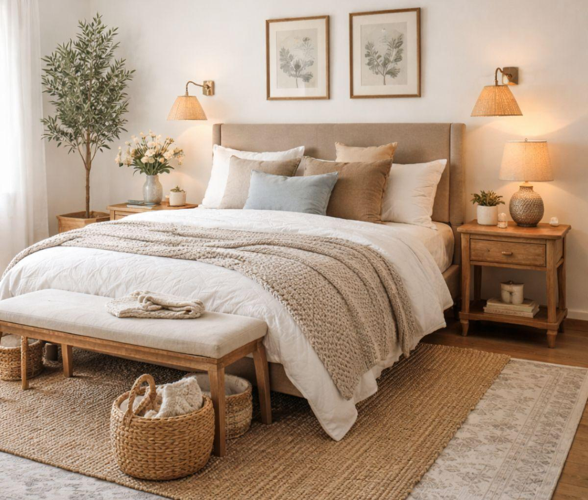
Give Your Bedroom Permission to Be a Retreat

The bedroom should be one of the easiest places to unwind. Unfortunately, it often becomes a storage area for everything that doesn't have a proper home elsewhere.
Laundry collects on the chair. Work follows us onto the nightstand. Phones remain within reach, offering an endless supply of things to check before bed.
Restoring the bedroom's purpose begins with removing what doesn't belong there.
Move work materials into a drawer or another room. Add a laundry hamper near the place where clothes typically accumulate. Keep the bedside table reserved for the few things you genuinely use at night.
Then consider the light.
If streetlights shine through your windows or early morning sunlight wakes you sooner than you'd like, blackout curtains can be a worthwhile improvement.
IKEA's MAJGULL blackout curtains are one example. For more effective light control, install the curtain rod above the window and extend it beyond both sides of the frame. Choose panels wide enough to cover the entire opening with adequate overlap when closed.
Where light still enters around the edges, adding a properly fitted blackout roller shade can improve coverage.
You may not need new bedding, furniture, or paint to make the room feel more restful. Better window coverings, a comfortable bedside lamp, and fewer distractions can make an immediate difference.
A bedroom should look inviting, certainly. But its first responsibility is to be comfortable.
Don't Confuse a Beautiful Fragrance With Fresh Air
Scent is often presented as the finishing touch to a relaxing home. A candle beside the bathtub or fresh flowers in the entrance can contribute to the atmosphere.
But fragrance shouldn't be used to disguise underlying problems.
Persistent musty odors, condensation, and excessive humidity deserve attention before adding another scented product.
A small digital hygrometer is a useful and inexpensive place to start. The ThermoPro TP49, for example, displays both room temperature and relative humidity.
Place the device in a bedroom, bathroom-adjacent hallway, or another area where moisture seems problematic. Keep it away from direct sunlight and heating vents, and observe the readings over several days rather than relying on a single measurement.
The U.S. Environmental Protection Agency advises keeping indoor relative humidity below 60%, ideally between 30% and 50%.
If the room repeatedly exceeds that range, investigate the cause. Run properly vented bathroom exhaust fans during and after showers, use kitchen ventilation when cooking, and check for leaks or persistent condensation. A correctly sized dehumidifier may help when moisture remains excessive.
An air purifier with suitable particle filtration can address certain airborne particles, but it cannot solve dampness or replace adequate ventilation.
The most comfortable home isn't necessarily the one with the most recognizable signature scent. It's the one where the air feels pleasant without needing to be disguised.
Create a Place Where Nothing Needs to Be Accomplished
Not every corner of a home needs to serve a productive purpose.
We have desks for working, kitchens for cooking, and closets for organizing. But where do we go when we simply want to do nothing for a little while?
Fortunately, a relaxing retreat doesn't require an additional room.
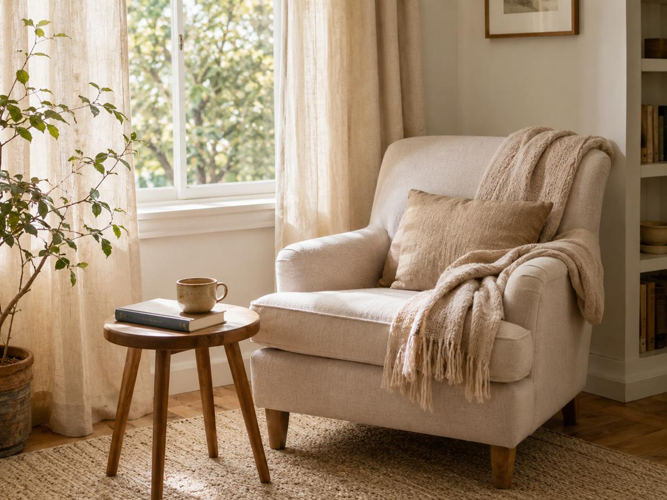
Choose a quiet corner, preferably near a window or away from the busiest household traffic. Then build around three essentials: comfortable seating, good lighting, and a surface within reach.
An existing upholstered armchair may be all you need. Position it where your back feels supported and your feet can rest comfortably. Add an adjustable reading lamp that illuminates a book without shining directly into your eyes, along with a small table for a drink and reading glasses.
If the corner feels too exposed, a tall plant or carefully positioned bookshelf can create a subtle boundary without closing off the space.
Resist the temptation to fill the area with decorative accessories. Its purpose is to offer a little breathing room, not another collection of things requiring attention.
As FINE explored in The Little Luxuries That Make Home Feel Like a Boutique Retreat, small, thoughtful improvements can make familiar surroundings feel more indulgent.
Sometimes the most satisfying luxury is a comfortable chair, an uninterrupted half hour, and absolutely nothing on the agenda.
Try a 20-Minute Home Reset Before Redecorating

When a room stops feeling comfortable, the instinct is often to start shopping. New furniture, new paint, perhaps an entirely different layout.
Before spending anything, try giving the room twenty minutes of attention.
Clear one surface that regularly collects clutter. Move a lamp to where you actually sit. Put frequently used items within easy reach and remove something that serves no meaningful purpose. Open the curtains, adjust the lighting, and switch off unnecessary background noise.
Then sit in the room for a few minutes and notice what still bothers you.
Perhaps the furniture arrangement is awkward. Perhaps the lighting remains uncomfortable. Or perhaps the problem was never the decorating at all—it was the collection of small inconveniences that had gradually accumulated.
Pay particular attention to recurring frustrations. If the entryway becomes untidy every evening, storage may be poorly positioned. If the living room looks cluttered immediately after being cleaned, everyday belongings may need better homes. If the bedroom remains uncomfortable, light, temperature, or noise could be more important than its appearance.
The exercise isn't about achieving perfection in twenty minutes. It's about identifying what deserves your attention and what doesn't.
That knowledge can prevent unnecessary purchases while helping you make improvements that genuinely matter.
The FINE Take
A calming home is not defined by a neutral color palette, expensive furniture, or the absence of clutter. It's defined by how comfortably it accommodates the people who live there.
The most thoughtful homes anticipate everyday needs, make ordinary routines feel easier, and offer places where we can step away from the demands of the day.
Sometimes that means investing in well-designed storage, adjusting the lighting, or improving the bedroom's window treatments. Sometimes it means clearing a countertop, moving a favorite chair, or finally finding a proper place for the things we use every morning.
None of these changes needs to be dramatic to make a noticeable difference.
The finest homes don't merely impress us when we walk through the door.
They make us genuinely happy to be there.

(0) comments
We welcome your comments
Log In
Post a comment as Guest
Keep it Clean. Please avoid obscene, vulgar, lewd, racist or sexually-oriented language.
PLEASE TURN OFF YOUR CAPS LOCK.
Don't Threaten. Threats of harming another person will not be tolerated.
Be Truthful. Don't knowingly lie about anyone or anything.
Be Nice. No racism, sexism or any sort of -ism that is degrading to another person.
Be Proactive. Use the 'Report' link on each comment to let us know of abusive posts.
Share with Us. We'd love to hear eyewitness accounts, the history behind an article.