
A faint brown stain appears on the guest bedroom ceiling. It seems harmless enough, so the homeowner makes a mental note to investigate it later. Months pass. Then a heavy storm arrives, the stain spreads, and what might have been a manageable roofing repair becomes a much larger project involving damaged insulation and drywall.
The trouble with roof problems is that the first warning is rarely the most expensive one.
Knowing the signs of roof damage can help homeowners distinguish an ordinary maintenance concern from something requiring immediate attention. More importantly, it can prevent a small problem from becoming an unnecessary—and costly—roof replacement.
Seven Roof Warning Signs You Should Never Ignore
1. Water stains on ceilings or upper walls
Yellow or brown rings, bubbling paint, and damp drywall can indicate water intrusion. The source may be damaged roofing, flashing, plumbing, or condensation, so don't assume the roof is responsible. Photograph the stain, check whether it changes after rain, and arrange an investigation. Active dripping requires urgent attention.
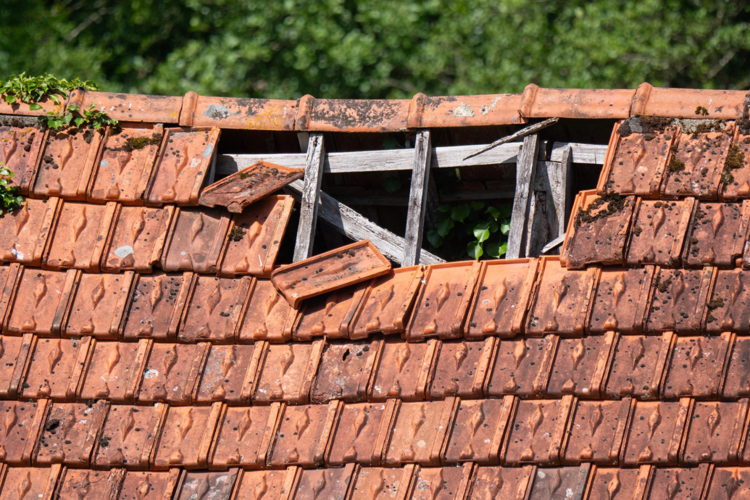
2. Missing, cracked, curled, or lifting shingles
An exposed patch or lifted shingle creates a potential entry point for wind-driven rain. A few damaged shingles may be repairable, particularly when surrounding materials remain sound. Photograph the affected area from the ground and request a professional assessment.
3. Sagging or uneven rooflines
A visible dip in an otherwise straight roofline can suggest deteriorated decking, damaged framing, or excessive loading. Unlike ordinary surface wear, significant or new sagging may indicate a structural hazard. Keep people away from the affected area and arrange urgent professional evaluation.
4. Excessive shingle granules in gutters
Asphalt shingles contain protective mineral granules. Some shedding is normal, particularly with newer roofs, but substantial or increasing accumulation may indicate deterioration or storm damage. Compare observations over time and look for bare patches before assuming replacement is necessary.
5. Damaged flashing around chimneys, vents, and skylights
Flashing protects vulnerable junctions where roofing meets another surface. Loose, corroded, or displaced flashing can allow moisture inside, even when the surrounding shingles look perfectly healthy. Ask a roofer to examine these joints before recommending extensive replacement.
6. Moisture or musty odors in the attic
Dark stains beneath roof decking, wet insulation, and persistent musty smells deserve investigation. The problem could be a roof leak, condensation, or inadequate ventilation. Identifying the moisture source is essential; replacing shingles will not solve an attic ventilation problem.
7. Visible storm damage or recurring drainage problems
Fallen branches, displaced roofing materials, overflowing gutters, and persistent ice dams can compromise water drainage. After severe weather, document damage from a safe location and arrange repairs according to severity. Never climb onto a storm-damaged roof.
Which Roof Problems Need Immediate Attention?
Not every irregularity constitutes an emergency. The important distinction is whether water is entering the home, structural safety may be compromised, or damage could worsen before the next inspection.
| Warning sign | Possible problem | Recommended next step | Urgency level |
|---|---|---|---|
| Active ceiling leak | Water intrusion | Protect the area; call a professional | Emergency |
| Sagging roofline | Possible structural damage | Keep clear; urgent structural assessment | Emergency |
| Missing or lifted shingles | Exposed roofing layers | Arrange professional repair assessment | Prompt |
| Heavy granule loss | Shingle deterioration | Schedule condition inspection | Scheduled |
| Loose flashing | Potential water entry | Request targeted inspection | Prompt |
| Damp attic insulation | Leak or condensation | Identify moisture source | Prompt |
| Overflowing gutters | Blockage or drainage failure | Arrange safe cleaning; investigate recurring overflow | Scheduled; prompt if leaking |
If a ceiling is bulging, keep clear of the area rather than attempting to drain it yourself. FINE's guide to responding to household water damage explains the immediate safety and documentation steps.
How to Inspect Your Roof Without Climbing Onto It
Begin with a walk around the property in daylight. Use binoculars to examine visible shingles, ridges, gutters, and chimney areas. Look for displaced materials, debris, and changes in the roofline. Take photographs from consistent locations so future comparisons are easier.
Inside, check upper-floor ceilings and accessible attic areas for stains or moisture. Never walk across exposed attic insulation or ceiling drywall, and avoid spaces with unsafe access, exposed wiring, or suspected structural damage. Ground-level checks help identify concerns; they cannot replace a qualified inspection.
Roof Repair vs. Replacement — How Do You Know?
A repair may be appropriate when damage is localized, the surrounding roof remains sound, and compatible replacement materials are available. Examples include isolated shingle damage, a failed flashing detail, or a minor roof penetration leak.
A replacement evaluation makes sense when deterioration is widespread, leaks repeatedly affect different areas, underlying decking is compromised, or previous repairs are no longer effective. Consider roof age alongside material, installation quality, climate, and documented condition. There is no universal expiration date that automatically justifies replacement.
For storm-related damage, the Insurance Institute for Business & Home Safety emphasizes evaluating both damage and normal weathering. That distinction matters when determining whether repairs are sufficient.
What Should a Professional Roof Inspection Cost?
A standard paid roof inspection in the United States typically costs approximately $125–$400, although complex properties and specialized services can cost substantially more. Angi's September 2026 pricing data places the national average at approximately $257.
Roof size, pitch, accessibility, location, and material influence the price. Drone assessments and infrared moisture investigations may involve additional costs.
A contractor's free roof evaluation is often intended to prepare a repair or replacement estimate. A paid independent inspection may offer a more detailed condition report without being tied to a roofing installation sale.
Before scheduling, confirm whether the price includes attic evaluation, photographs, written findings, and repair recommendations. A certification or specialized moisture assessment may be charged separately.
Questions to Ask a Roofer Before Agreeing to Repairs
A confident homeowner should expect clear explanations, not pressure to sign immediately. Ask these five questions before approving substantial work:
Can you show me photographs of the damage? Ask the contractor to identify the affected areas and explain the likely cause.
Can the roof be repaired rather than replaced? Request the reasoning behind either recommendation.
What exactly is included in the written estimate? Confirm materials, labor, decking allowances, disposal, permits, and possible additional charges.
What warranties apply? Understand the difference between manufacturer coverage and the contractor's workmanship warranty.
Are you properly licensed and insured? Verify applicable licensing requirements and request current insurance documentation.
For larger projects, obtain multiple written estimates. The Federal Trade Commission's home improvement guidance recommends comparing estimates and verifying contractor credentials before committing.
Before You Spend Thousands on Roof Repairs, Check These 5 Things
A large roofing estimate deserves careful review, particularly when the recommendation involves replacing the entire system.
Confirm the source of the problem. A ceiling stain does not automatically mean the roof covering has failed.
Request evidence of widespread damage. Ask which sections are affected and whether decking deterioration has been verified.
Compare repair and replacement options. Understand the expected benefits, limitations, and costs of each.
Review warranty and insurance documents. Some damage may qualify for coverage, but eligibility depends on the policy and cause.
Get another qualified opinion. An independent assessment can be worthwhile when recommendations or estimates differ significantly.
A reputable professional should be comfortable explaining why a proposed repair is necessary and what could happen if it is postponed.
Your Seasonal Roof Maintenance Checklist

Roof maintenance becomes easier when it follows a simple seasonal routine rather than an unexpected repair bill.
Spring: Check for winter damage, staining, and blocked drainage.
Fall: Arrange safe gutter cleaning and examine visible flashing and roof edges.
Before storm season: Trim vulnerable overhanging branches through a qualified professional and document the roof's existing condition.
After major storms: Photograph visible damage from the ground and check accessible interiors for new moisture.
Year-round: Keep inspection reports, roof warranties, repair invoices, and dated photographs together.
For broader seasonal planning, use FINE's complete home maintenance checklist.
The FINE Take
The smartest roofing decision is rarely the fastest or most expensive. It is the one supported by evidence.
Understanding warning signs, knowing when professional help is essential, and asking the right questions can prevent unnecessary spending while protecting the home itself.
Because maintaining a beautiful home is not simply about what people see. It is also about taking care of everything they don't.

(0) comments
We welcome your comments
Log In
Post a comment as Guest
Keep it Clean. Please avoid obscene, vulgar, lewd, racist or sexually-oriented language.
PLEASE TURN OFF YOUR CAPS LOCK.
Don't Threaten. Threats of harming another person will not be tolerated.
Be Truthful. Don't knowingly lie about anyone or anything.
Be Nice. No racism, sexism or any sort of -ism that is degrading to another person.
Be Proactive. Use the 'Report' link on each comment to let us know of abusive posts.
Share with Us. We'd love to hear eyewitness accounts, the history behind an article.