
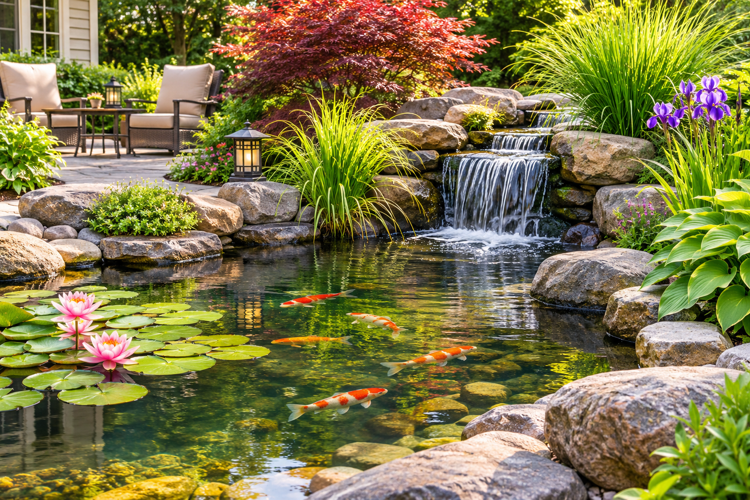
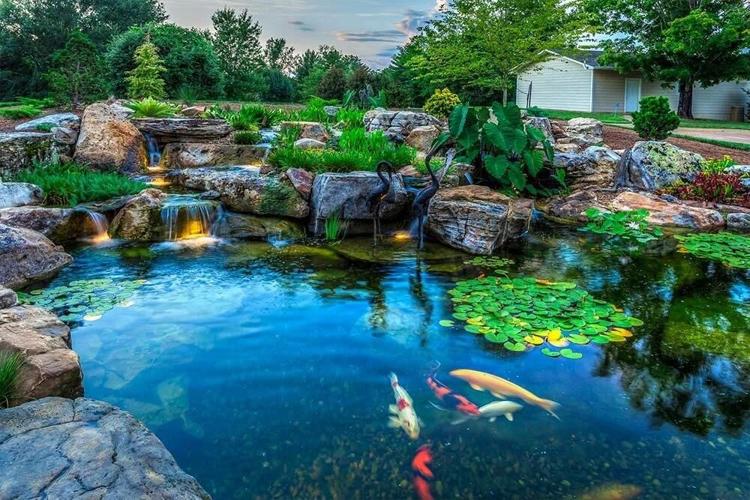
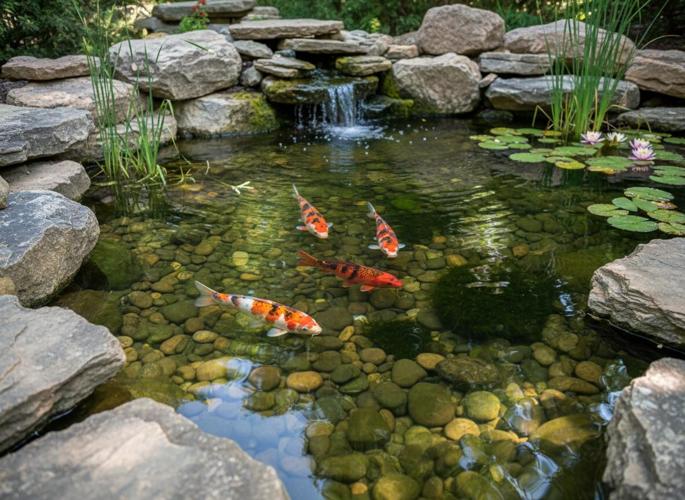
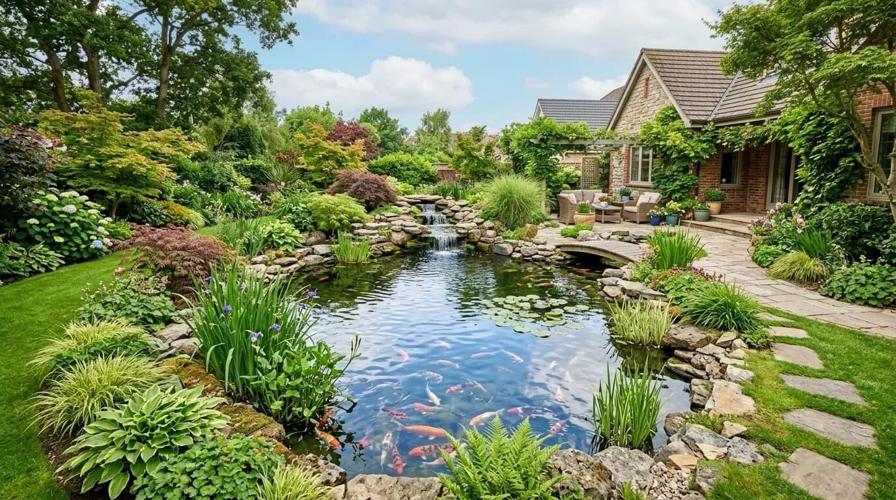

A beautiful backyard pond can bring a sense of calm and natural elegance to an outdoor space. The gentle movement of water, reflections of surrounding greenery, and occasional glimpse of fish beneath the surface create an inviting focal point. Yet maintaining that beauty requires more than occasional cleaning. Healthy pond water depends on a balance of circulation, filtration, aquatic plants, and thoughtful seasonal care.
Whether your pond features koi, water lilies, or a simple arrangement of aquatic plants, a consistent maintenance routine can help keep it attractive and support the life within it. With the right approach and a few practical tools, backyard pond maintenance can become a manageable part of caring for your landscape.
Why Backyard Pond Maintenance Matters
A well-maintained pond enhances the overall appearance of a garden while creating a peaceful place to relax and entertain. It can soften hard landscaping, complement patios and pathways, and introduce movement and natural sound to an outdoor setting. For homeowners investing in carefully designed outdoor spaces, a healthy water feature can become one of the landscape's most distinctive elements.
Maintenance also protects the pond's ecosystem. Fish, beneficial microorganisms, and aquatic plants depend on stable water conditions. When leaves, fish waste, and decaying vegetation accumulate, water quality can deteriorate and oxygen levels may fall. Regular attention helps prevent these problems before they become difficult to manage.
How to Keep Pond Water Clean and Clear
Clear water begins with effective circulation and filtration. A suitable pump moves water through the pond, while mechanical filtration captures debris and biological filtration provides a surface for beneficial bacteria that help process fish waste. Together, these systems support a healthier environment and reduce the buildup of unwanted nutrients.
Remove fallen leaves, uneaten fish food, and floating debris with a pond net or skimmer before they sink and decompose. Check filters regularly and clean them according to the manufacturer's instructions. If you keep koi or other fish, monitor water quality with an appropriate test kit, paying attention to ammonia, nitrite, pH, and other readings recommended for your pond. Penn State Extension's pond water quality guidance offers helpful information on testing and maintaining healthy conditions.
If the water suddenly becomes green or cloudy, avoid immediately adding chemicals or replacing all the water. Start by checking the pond's nutrient levels and looking for possible sources of excess nutrients, such as uneaten fish food, accumulated fish waste, fertilizer runoff, and decaying leaves. Next, inspect the filtration system to make sure the filter is clean enough to function properly and the pump is circulating water effectively. Poor circulation and insufficient filtration can allow algae and suspended debris to accumulate.
A properly sized UV clarifier may be useful when persistent green water is caused by suspended single-celled algae. It works by treating water as it passes through the unit, helping control these microscopic organisms. However, it will not remove string algae, correct excess nutrients, or replace proper filtration and circulation. Addressing the underlying cause is essential for achieving lasting water clarity.
Controlling Algae Without Harming Fish or Plants

Some algae are a natural part of a pond ecosystem, but excessive growth can make water appear green or create thick strands across the surface. Algae often flourish when sunlight and excess nutrients combine. Fish waste, uneaten food, lawn fertilizer runoff, and decomposing leaves can all contribute to the problem.
Rather than immediately reaching for chemical treatments, reduce the conditions that encourage algae. Avoid overfeeding fish, remove decaying material, and introduce suitable aquatic plants that provide shade and compete for nutrients. Floating plants and water lilies can help limit direct sunlight, while submerged oxygenating plants contribute to a balanced environment. If green water persists, a properly sized UV clarifier may help control suspended algae. Avoid using algaecides without checking their suitability for your fish, plants, and filtration system. Penn State Extension also recommends considering physical and biological management methods before chemical controls.
Managing Aquatic Weeds and Overgrown Plants
Aquatic plants add texture, color, and habitat to a backyard pond, but vigorous growth can eventually crowd the water's surface. Floating weeds, submerged vegetation, and string algae may need periodic removal to maintain open water and prevent excessive decomposition.
The right tool depends on the type of growth. A long-handled pond rake can collect floating weeds and loose vegetation, while a fine-mesh net is useful for smaller debris. For tougher submerged growth, a pond weed cutter with a suitable cutting head can help trim vegetation below the surface. Use controlled movements and remove cut material promptly rather than leaving it to decay in the water.
When string algae or aquatic plants begin taking over, identify the growth before deciding how to manage it. String algae forms long, slippery strands that can cling to rocks and pond edges, while aquatic weeds may grow above or beneath the water. Understanding the difference helps you choose the appropriate removal method.
For loose floating material and smaller algae clumps, a pond net is often sufficient. A long-handled pond rake is useful for gathering larger amounts of floating weeds and vegetation. When tougher submerged growth becomes difficult to manage manually, a suitable pond weed cutter can help trim it below the surface. Work gradually, avoid disturbing fish habitats unnecessarily, and remove cut vegetation promptly to prevent it from decomposing and adding more nutrients to the water.
Before removing unfamiliar plants, identify them. Some aquatic species are beneficial, while others can be invasive and may be subject to local restrictions. Check with a local extension service or aquatic plant specialist before disposing of removed vegetation. Penn State Extension's guide to aquatic plants and algae provides useful background on managing excessive growth.
Choosing the Right Pond Equipment
Good equipment makes routine care easier, but every pond has different requirements. A pump should be selected according to pond volume, water depth, fish load, and any waterfalls or streams. For example, the OASE AquaMax Eco Classic range is designed to move pond water toward filtration systems and water features.
A mechanical and biological filter helps capture debris and process waste, while a skimmer collects leaves and floating material before it sinks. Aquascape's pond skimmers illustrate how surface debris can be collected through a dedicated system. A fountain can improve surface movement and contribute to gas exchange, but it should not be considered a substitute for a dedicated pond aerator or diffuser. A proper aeration system introduces air into the water and supports oxygen levels throughout the pond, which is particularly important for fish populations and during warmer weather.
A UV clarifier, such as the Aquascape UltraKlear, is another option for managing suspended green-water algae. Match every component to the pond's actual capacity rather than choosing equipment based on appearance alone.
Recognizing Warning Signs in Pond Fish

Fish behavior can provide important clues about pond health. One warning sign that homeowners should never ignore is fish gasping at the water's surface. Although fish may occasionally swim near the surface for food, repeatedly coming up to gulp air or gathering around waterfalls and other areas with increased water movement can indicate low dissolved oxygen.
Warm water, excessive algae, decaying organic matter, and inadequate aeration can all contribute to oxygen depletion. If fish begin gasping, check the aeration system and water circulation immediately. Increase oxygenation using a suitable pond aerator or diffuser, and test the water for ammonia, nitrite, and other relevant parameters. Look for signs of equipment failure, clogged filters, or excessive organic buildup. If the fish continue showing distress, seek advice from an aquatic veterinarian or qualified pond specialist. Acting quickly can help prevent serious harm to fish.
Seasonal Pond Maintenance
Pond care changes throughout the year, although the timing depends on your local climate. In spring, inspect pumps and filters, remove accumulated debris, divide overgrown plants, and gradually resume feeding fish as water temperatures rise. This is also a good time to check the pond liner and equipment for winter damage.
Summer usually requires closer attention to water levels, algae, and oxygenation. Warm water holds less dissolved oxygen, so check circulation and avoid excessive feeding. In autumn, remove fallen leaves, cut back dying plants, and consider a protective pond net. In colder regions, prepare fish and equipment for winter according to their specific needs. In milder climates, continue monitoring water quality and circulation without unnecessarily shutting down essential systems. Virginia Tech's water garden winterizing guide provides additional seasonal advice.
Common Pond Maintenance Mistakes
One frequent mistake is feeding fish more than they can consume. Uneaten food breaks down and adds nutrients to the water, encouraging algae and placing additional demands on filtration. Feed appropriate portions and remove leftovers when possible.
Overcleaning can be equally disruptive. Beneficial bacteria live on filter media, pond surfaces, and other submerged materials. Replacing or scrubbing everything at once can disturb the biological balance. Inadequate aeration, undersized filtration, and using household cleaners or unsuitable chemical treatments can also harm aquatic life. Make gradual adjustments and follow equipment and treatment instructions carefully.
The FINE Take

A pond that is thoughtfully designed from the beginning is often easier to care for. Position it where it receives a balanced amount of sunlight and shade, and choose aquatic plants suited to your climate and available space. Keep nearby trees and shrubs in mind, since overhanging branches can contribute leaves and other debris.
Surround the water with natural stone, restrained planting, and comfortable seating to create a cohesive outdoor retreat. FINE Magazine's feature on planning beautiful outdoor spaces offers further inspiration for bringing landscape elements together. For practical garden upkeep, explore its guide to essential garden tools.
Ultimately, successful backyard pond maintenance is about balance rather than constant intervention. With suitable equipment, careful plant management, and a simple seasonal routine, homeowners can enjoy clear, healthy water and a beautiful outdoor feature without turning pond care into a demanding chore.

(0) comments
We welcome your comments
Log In
Post a comment as Guest
Keep it Clean. Please avoid obscene, vulgar, lewd, racist or sexually-oriented language.
PLEASE TURN OFF YOUR CAPS LOCK.
Don't Threaten. Threats of harming another person will not be tolerated.
Be Truthful. Don't knowingly lie about anyone or anything.
Be Nice. No racism, sexism or any sort of -ism that is degrading to another person.
Be Proactive. Use the 'Report' link on each comment to let us know of abusive posts.
Share with Us. We'd love to hear eyewitness accounts, the history behind an article.