
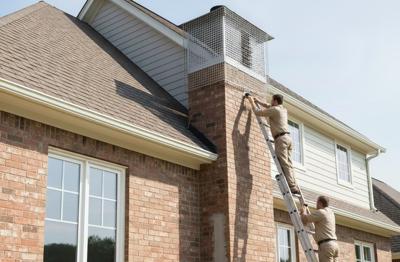

Every home, business, and property faces the challenge of keeping pests out. Rodents, insects, and other wildlife are constantly searching for food, water, and shelter. When they find openings or ideal nesting conditions, they quickly settle in.
Pest prevention focuses on stopping this from happening in the first place. Through exclusion and habitat modification, property owners can maintain clean, safe environments without relying on harmful chemicals or repeated treatments.
This modern approach to pest control is about strategy and awareness. Exclusion means closing entry points that pests use to enter buildings. Habitat modification means changing the environment so it becomes less attractive to pests. For homeowners dealing with repeated activity despite those repairs, professional pest control in Vaughan can help identify missed entry points and develop a treatment plan.
Together, these methods reduce infestations, protect property, and promote healthier living spaces.
Understanding Pest Prevention
Effective pest management starts with prevention. It addresses the reasons pests enter in the first place. Rodents such as rats, mice, and voles often enter through small cracks or gaps in foundations, vents, or roofing.
Birds like pigeons and sparrows nest in attics or under eaves. Insects such as ants, spiders, or silverfish find their way inside through gaps near windows, plumbing, or doors.
Each pest species looks for something specific – shelter, moisture, or warmth. Once they find it, they reproduce quickly. The longer they stay, the harder they are to remove. Pest prevention interrupts this process early. It focuses on stopping access and removing attractants before infestations start.
Professionals in pest management begin with a detailed inspection. They identify weak points, such as broken screens, unsealed vents, or damaged weather stripping. The next step is to seal those areas and adjust outdoor conditions to reduce pest activity.
The Role of Exclusion in Pest Prevention
Sealing Entry Points
A single half-inch gap is enough for a mouse to squeeze through. Rats, squirrels, and bats need only slightly larger spaces.
Sealing cracks around doors, windows, and siding is one of the simplest but most effective methods of exclusion. Technicians use professional grade, animal-resistant materials to block entries.
Reinforcing Vulnerable Areas
Some areas of a home are more vulnerable than others. Vents, chimneys, and roof edges often attract animals such as raccoons, squirrels, or birds looking for shelter. Installing chimney caps, vent covers, and heavy-gauge screens helps protect these spots. Gaps where pipes or cables enter the home should also be sealed tightly.
Maintaining Structural Integrity
Regular maintenance supports exclusion efforts. Loose shingles, deteriorating siding, or cracked foundations create new openings over time. Routine checks and repairs keep barriers intact and stop pests from exploiting structural wear.
When exclusion is done correctly, pests lose their access to food sources and nesting sites inside. This first line of defense reduces the need for reactive control later.
Habitat Modification: Reducing What Attracts Pests
Addressing Moisture Problems
Standing water attracts mosquitoes, crickets, and other insects. It also encourages rodents seeking hydration. Draining puddles, cleaning gutters, and repairing leaky spigots removes these water sources. Proper ventilation in attics and crawl spaces also helps keep areas dry.
Landscaping Adjustments
Landscaping choices affect pest presence. Dense ground cover can harbor rodents, while thick mulch near foundations keeps soil damp.
Using gravel borders or keeping mulch at least a few inches from walls reduces these risks. Native plants that attract natural predators such as birds or bats can also help maintain balance.
Why Exclusion and Habitat Modification Work Together
Exclusion and habitat modification are most powerful when combined. Exclusion keeps pests out, while habitat modification removes the reasons they might want to come inside.
For example, sealing attic vents keeps out squirrels or bats, but trimming nearby branches may reduce the likelihood of an invasion. Cleaning up spilled birdseed removes food sources that attract rats, while sealing foundation cracks keeps them from nesting inside.
This two-part approach also reduces reliance on chemical treatments. Instead of repeatedly reacting to infestations, homeowners focus on prevention, which saves time, money, and environmental impact.
Both methods also support humane pest control principles. Animals are not harmed; they are simply denied access and encouraged to stay in natural habitats instead of homes or buildings.
The Benefits of Long-Term Pest Prevention
Cost Efficiency
Prevention costs less than repeated extermination. Repairing entry points and maintaining clean surroundings eliminate the need for heavy pest treatments.
Health and Safety
Rodents such as rats, mice, or muskrats can spread bacteria through droppings and nesting materials. Stinging insects like wasps or hornets pose risks to those with allergies.
Property Preservation
Chewed wires, damaged insulation, and contaminated air ducts can become expensive repairs. Pest prevention helps protect structural integrity, saving thousands in restoration costs.
Environmental Responsibility
Minimizing chemical use supports healthier ecosystems. When fewer toxins are applied, beneficial species such as birds or snakes remain unharmed. This balance strengthens local biodiversity.
Peace of Mind
Knowing that your property is secure from unwanted guests provides lasting comfort. Consistent inspection and maintenance keep your home protected year-round.
Steps to Start Your Pest Prevention Plan
Building an effective plan involves small, manageable actions that make a lasting impact.
Inspect Regularly: Walk around your property and check for cracks, gaps, or signs of pest activity.
Seal Openings: Repair weather stripping, cover vents, and seal gaps around pipes.
Clean and Organize: Keep storage areas tidy, especially basements, garages, and attics.
Maintain the Yard: Trim vegetation and remove debris close to the foundation.
Control Moisture: Fix leaks and guarantee proper drainage around the property.
Work with Experts: Licensed professionals can assess and improve exclusion barriers or habitat conditions.
Partnering with Professionals for Effective Results
While many preventive steps are simple, some situations call for expert knowledge. Professional technicians understand pest behavior and know how to identify hidden access points. They also use specialized tools to inspect attics, crawl spaces, and roofs safely.
Partnering with a trusted pest control company makes sure that exclusion and habitat modification are performed thoroughly. Teams trained in humane methods focus on permanent, safe solutions rather than temporary fixes. Their approach combines property care with ecological awareness, aligning with sustainable pest management practices.
Protecting Homes Through Awareness and Action
Pests are persistent, but prevention is stronger. Understanding how exclusion and habitat modification work gives property owners long-term control. Instead of reacting to infestations, focus shifts toward smart maintenance and mindful environmental care.
Pest prevention is more than just a one-time task; it is a continuous commitment to safety, cleanliness, and harmony with surrounding wildlife. Every repair, cleanup, and inspection contributes to a more secure and balanced living space.
Protecting property begins with awareness, but success comes through consistent action. Through exclusion and habitat modification, anyone can build a cleaner, safer environment for both people and wildlife.


(0) comments
We welcome your comments
Log In
Post a comment as Guest
Keep it Clean. Please avoid obscene, vulgar, lewd, racist or sexually-oriented language.
PLEASE TURN OFF YOUR CAPS LOCK.
Don't Threaten. Threats of harming another person will not be tolerated.
Be Truthful. Don't knowingly lie about anyone or anything.
Be Nice. No racism, sexism or any sort of -ism that is degrading to another person.
Be Proactive. Use the 'Report' link on each comment to let us know of abusive posts.
Share with Us. We'd love to hear eyewitness accounts, the history behind an article.