
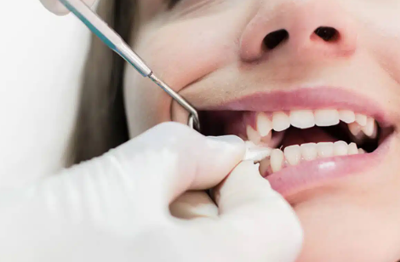

Extraction stops the spread of infection and protects your overall oral health when a tooth can't be saved. Dentists always try to save natural teeth, but knowing when to extract them can help you make smart choices. Dentists in Miami look at each case to decide the best course of action. Read on to learn about some instances where tooth extraction may be necessary.
When tooth preservation isn't possible
Tooth extraction is necessary when the damage is too severe to fix. When infection reaches the root and destroys significant structure, attempting to save the tooth allows bacteria to spread to surrounding tissue. At that point, extraction keeps the rest of your mouth from getting infected.
Gum disease eats away at the bone that holds your teeth in place. The tooth becomes loose and unstable when that bone is gone. Treating gum disease prevents further damage, but lost bone doesn't regenerate. Eventually, a tooth that doesn't have bone support has to come out.
Some breaks go below the gumline or hurt the root of the tooth. Repair isn't possible when the fracture goes that deep. That's why dentists look into all treatment options before suggesting extraction. If possible, it's always better to save natural teeth.
Other reasons extraction might be needed
Even with braces, severe overcrowding prevents proper alignment.1 Extracting a tooth creates space for the remaining teeth to shift into the correct position. Impacted wisdom teeth get trapped against adjacent molars, creating pockets where bacteria accumulate and cause recurring infections. The pressure they place on neighboring teeth can also push your bite out of alignment.
Preventive care is needed for some oral health problems. For patients with compromised immune systems, removing a problematic tooth before it causes a serious infection protects overall health. Sometimes, damaged teeth interfere with denture or implant placement, requiring extraction to create a stable foundation.
Signs you might need extraction
You should see a dentist if you have a toothache that doesn't go away, swollen gums or face, a tooth that keeps getting looser, or an infection that won't go away. Visible tooth damage or difficulty eating and speaking also warrants evaluation. Only a dentist can say for sure if extraction is needed.
What happens during your evaluation
Your dentist will do a full exam that includes looking at the tooth that is hurting, taking X-rays to see the roots and bone structure, and going over your medical history. Then, they will explain their findings and go over your options with you. This conversation helps you understand why the tooth can't be saved and what other options were looked at.
Replacing a tooth after extraction
When a gap is left after tooth loss, the teeth next to it can tip into it. The tooth on the other side starts to drift because it has nothing to bite against. Your jawbone breaks down without chewing pressure, and this bone loss can change the shape of your face over time.
Dental implants are a fix that can last a lifetime.2 The teeth on either side of the gap hold up the bridges. You can remove partial dentures. Based on where the missing tooth is and the overall health of your mouth, your dentist will suggest the most appropriate option. Replacing a missing tooth helps keep other teeth from moving and stops bone loss.
What to expect during recovery
After the extraction, most patients can feel mild to moderate pain for a few days. Expect some swelling and light bleeding on the first day.For at least the first few hours, don't use straws, smoke, or rinse too hard. These activities can move the blood clot that is protecting the extraction site. When that clot comes loose, the bone underneath it is exposed, which causes dry socket. Contact your dentist if you experience severe discomfort or excessive bleeding.
Preventing tooth loss can save you from extraction
About 178 million Americans are missing at least one tooth, and many of those losses could have been prevented with earlier care.3 Regular dental visits help identify cavities when they're still fillable. When you wait too long to get proper dental care, you could end up needing an extraction.
Taking care of your teeth makes a difference:
Floss between your teeth and brush your teeth twice a day.
Cut back on sugary drinks and foods.
Wear protective gear when you play sports.
Always go to the same dentist.
Questions to ask your dentist
When you arrive at your appointment, you may ask your dentist the following questions:
Why can't this tooth be saved?
What alternatives were considered?
What should I expect during recovery?
What are my options for replacing the tooth?
Getting clear answers helps you feel confident about your decision.
Caring for your oral health protects your smile
Tooth extraction becomes necessary when keeping the tooth would cause more harm than removing it. Knowing why helps you make smart decisions. Replacement options restore function and protect your other teeth.
If you're looking for a “dentist near me” due to tooth problems, a Miami dentist can look at your teeth and discuss your options. Regular dental care and early treatment can stop a lot of extractions from being necessary.
Sources:
- Oral Health Foundation: Orthodontic Treatment
- Cleveland Clinic: Dental Implants
- Cleveland Clinic: Tooth Loss

(0) comments
We welcome your comments
Log In
Post a comment as Guest
Keep it Clean. Please avoid obscene, vulgar, lewd, racist or sexually-oriented language.
PLEASE TURN OFF YOUR CAPS LOCK.
Don't Threaten. Threats of harming another person will not be tolerated.
Be Truthful. Don't knowingly lie about anyone or anything.
Be Nice. No racism, sexism or any sort of -ism that is degrading to another person.
Be Proactive. Use the 'Report' link on each comment to let us know of abusive posts.
Share with Us. We'd love to hear eyewitness accounts, the history behind an article.