
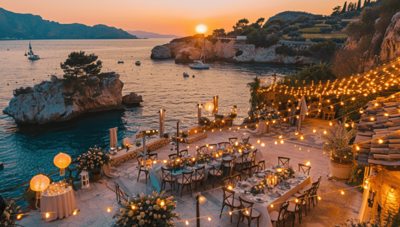

Crete gives couples a long wedding window, but not every month feels the same. The island has warm, dry summers and mild, wetter winters, so the date can shape the whole mood of the day. It can affect how guests feel during the ceremony, how easy it is to move around, how busy hotels are, and how calm photo spots look. The Mediterranean climate has strong sunshine, limited summer rain, and cooler months with more rainfall. That pattern is clear in Crete too, though the island often stays warmer for longer than many other places in Europe. The main travel peak sits in the third quarter of the year, which helps explain why July through September feel much busier than the shoulder months.
For most couples, the best month is the one that balances comfort, crowd levels, and the style of wedding they want. Some couples want hot beach weather and a lively holiday feel. Others want softer heat, easier bookings, and a slower pace for guests. Crete can support both, but the season needs to match the plan.
Why Timing Matters in Crete
Crete is large, and conditions can shift between the north coast, the south coast, inland villages, and higher ground. Even so, the seasonal pattern is easy to follow. Spring grows warmer and greener. Summer is dry, sunny, and busy. Autumn often keeps the warmth but loses some of the pressure of peak travel. Winter is much quieter, but it also brings more rain and a greater need for indoor plans. That is why timing matters so much for an outdoor ceremony and dinner.
Weather and Guest Comfort
Weather affects far more than the view. It shapes when the ceremony should start, how long guests can sit outdoors, and whether dancing and dinner will feel easy or tiring. In Chania, average high temperatures rise from about 19°C in April to around 24°C in May, then reach roughly 27°C in June and about 28.5°C in July. Rainfall also drops fast from spring into summer. That means late spring and early summer usually offer a mix of warmth and comfort, while midsummer can become intense in formal clothes.
Choosing the Right Ceremony Time
The hotter the month, the later the ceremony should begin. In July and August, a late afternoon or sunset start often feels far better than a noon event. In May, early June, and September, couples often have more freedom. The weather still feels warm, but guests usually cope better, and the light is softer for photos. This is one reason many planners see the shoulder season as easier to manage than the height of summer.
Spring and Summer Wedding Season in Crete
Spring and summer are the core wedding months on the island. They bring the clearest skies and the lowest risk of rain, but each part of the season creates a different feel. April and May often look fresh and green after the wetter months. June starts to feel more like a classic holiday season. July and August are bright, dry, and full of energy, but they also bring the sharpest heat and the highest visitor pressure. Crete remains one of Greece’s warmest major islands, so the season stretches well beyond a short summer window.
Couples who want a church ceremony with comfortable weather often lean toward late April, May, or early June. Those months can still feel sunny and special without the harder edge of midsummer. For many couples planning an orthodox wedding in Crete, that balance can be a strong match for both guest comfort and the flow of the day.
When Crowds Are Highest
Crowds matter because they shape more than the mood. They affect room rates, car transfers, restaurant space, and how long it takes a group to move between the hotel, church, and venue. The strongest seasonal peak is in the third quarter, and that pattern lines up with what visitors see on the island. July, August, and often early September bring the heaviest travel demand. Couples who marry at that time need to book rooms and suppliers earlier and give guests clear travel notice.
How Peak Season Affects Planning
Peak season does not make a wedding impossible. It simply means the plan has to work harder. Hotels may fill faster. Good sunset venues may go first. Popular beaches and old town areas may feel less private for photos. Heat can also make hair, makeup, and formal wear harder to manage over a long day. Couples who love the full summer atmosphere can still choose July or August, but they usually need more lead time and a later ceremony schedule.
A second reason shoulder months work well is the daily rhythm. In late spring and early autumn, couples can plan a church ceremony, short transfer, photo session, and dinner without asking guests to sit through the hottest part of the day. Floral setups also tend to hold up better, and formal wear feels less heavy. This may sound small at first, yet these details shape how calm the event feels from start to finish.
The island’s size also matters when picking a month. A wedding in Chania, Rethymno, or Heraklion often depends on guest transport and hotel access, not only on the ceremony itself. When roads and resort areas are less crowded, the whole day moves with less friction. That makes spring and autumn especially useful for destination weddings, where many guests are seeing the island for the first time and need a smooth plan. These seasons leave more room for welcome dinners, beach gatherings, and quiet time, so the wedding trip feels fuller without the strain peak season can bring.
Autumn and Winter Wedding Options
Autumn can be one of the best times to marry in Crete. September often keeps much of summer’s warmth while easing away from the highest visitor rush. The sea is also warm after months of summer heat, which many guests enjoy if they stay for a few extra days. October is cooler, yet it can still suit an outdoor wedding, especially earlier in the month. May, June, September, and October are the most balanced months for warm weather with fewer crowds than peak summer.
Winter tells a different story. Crete stays milder than many European wedding locations, but the wetter season is real. Rainfall climbs in late autumn and winter, while temperatures drop to their coolest averages of the year. A winter date can suit a small indoor event, but it is less dependable for an outdoor ceremony and open-air dinner.
Best Months for a Calm Celebration
For a calm celebration, late April to early June and September to early October usually stand out. These months often bring warm but more manageable temperatures, easier guest movement, and more flexibility with bookings. They also help couples avoid the busiest holiday crush without losing the sunny island feel that makes Crete so popular. The exact best month depends on the guest list. Families with school children may still prefer summer. Older guests often feel more comfortable in late spring or early autumn.
When Crete Feels Most Relaxed
Crete often feels most relaxed in the shoulder season. Streets are active but less packed. Beaches and village settings can feel calmer. Guests may find flights and rooms with a little more ease than in high summer. Couples who want guidance on season, ceremony timing, and guest flow can take help from event planning companies like Esthesis Events when shaping the right month for the island.
In practical terms, the safest answer for most couples is simple. May, early June, September, and early October tend to offer the best overall mix of weather, beauty, and ease. July and August suit couples who want strong summer energy and accept more heat and more people. Winter works best only for small events with a solid indoor backup. For most destination weddings, shoulder season gives the smoothest path. It keeps the sun, reduces some of the stress, and makes it easier for guests to enjoy both the wedding and the island itself.
(0) comments
We welcome your comments
Log In
Post a comment as Guest
Keep it Clean. Please avoid obscene, vulgar, lewd, racist or sexually-oriented language.
PLEASE TURN OFF YOUR CAPS LOCK.
Don't Threaten. Threats of harming another person will not be tolerated.
Be Truthful. Don't knowingly lie about anyone or anything.
Be Nice. No racism, sexism or any sort of -ism that is degrading to another person.
Be Proactive. Use the 'Report' link on each comment to let us know of abusive posts.
Share with Us. We'd love to hear eyewitness accounts, the history behind an article.