
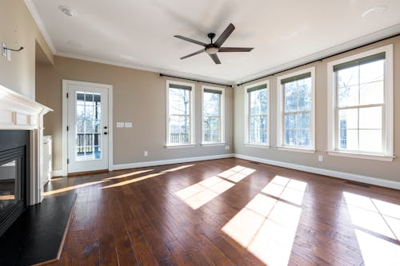
A no-fluff breakdown for Kitsap County homeowners choosing their next floor.

Picking a floor feels simple until you're standing in a showroom with a dozen samples in your hands and a contractor asking which one you want. For Kitsap County homeowners, that choice comes down to two clear front-runners: classic hardwood and the newer, tougher luxury vinyl plank. Both look great on Instagram. Both have their fans. So which one is actually right for a home in this corner of Washington State? It depends on a few things, and this guide walks you through all of them.
~65% Many buyers prefer hardwood for resale appeal | 100% The LVP is a waterproof core construction | 2–3× Lower cost per sq ft for LVP vs. solid hardwood |
1. What Kitsap's Climate Does to Your Floor
Kitsap County sits right on the edge of Puget Sound, and that means moisture. A lot of it. Rain from October through April, morning fog, and homes that stay damp longer than places inland. That matters a great deal when you're picking a floor.
Solid hardwood and water are not friends. Wood naturally expands when it absorbs moisture and contracts when things dry out. In a Kitsap home that sees real Pacific Northwest winters, that cycle can cause boards to warp, buckle, or develop gaps over time. You can manage it with proper installation and a good vapor barrier, but it's something you have to plan for.
LVP handles moisture differently. Its core is either stone-plastic composite (SPC) or wood-plastic composite (WPC), and neither one swells or warps the way natural wood does. For basements, mudrooms, or anywhere close to the waterfront, that's a real advantage.
HardwoodBeautiful, but moisture-sensitiveNeeds careful installation with vapor barriers. Avoid in below-grade or high-humidity rooms. | LVPWaterproof core, worry-freeHandles spills, humidity, and Kitsap rain seasons without warping or buckling. |
2. Real Cost Breakdown: What You're Paying
When homeowners in Kitsap ask about price, they usually think about the material cost per square foot. Solid hardwood typically runs $6–$12 per square foot for materials alone, while LVP usually lands between $2–$5. For a 1,000-square-foot floor, that's a difference of thousands of dollars before anyone picks up a nail gun.
Installation adds another layer to the math. Hardwood needs an experienced installer. It has to be nailed, glued, or stapled down, acclimated to the home before installation, and finished carefully. LVP uses a floating click-lock system that goes down faster and costs less in labor. Some confident DIYers even tackle LVP themselves.
That's where working with a trusted local flooring partner helps. DS Sales Associates has helped Kitsap homeowners match the right product to their budget and lifestyle; whether that means investing in a wood floor for a formal living room or choosing LVP for a family room that sees a lot of action.
"LVP saves money upfront, but hardwood holds value longer in the resale market. The right choice depends on which floor you're putting it in."
Don't forget long-term maintenance costs either. Hardwood can be sanded and refinished multiple times over decades, which extends its life significantly. LVP can't be refinished — when it's worn, it needs to be replaced. For a forever home, hardwood's lifecycle math can actually work in its favor.
3. Durability You Can Actually Live With
Kitsap families are active. Dogs, kids, outdoor gear coming in from muddy trails, and weekends that revolve around the water, your floor takes a hit. LVP handles daily abuse well. It resists scratches from pet nails and dents from dropped items better than most hardwood species. Its wear layer is rated in mils, and a quality product at 20 mils or higher can hold up for 20–25 years in a busy household.
Hardwood's durability depends heavily on the species. Oak and maple are among the tougher choices and can handle a fair amount of activity. Softer species like pine or cherry show wear much faster. Even a hard species, though, will show scratches from dogs over time in a way that LVP simply won't.
4. How Each Floor Affects Your Home's Resale Value
Hardwood has a strong reputation with buyers. Walk into an open house with solid oak floors, and the wow reaction is almost automatic. Real estate data consistently shows that hardwood floors influence buyer perception, and in a competitive Kitsap market, that perception can translate into real dollars at closing.
LVP has come a long way in terms of how buyers perceive it. Quality LVP looks genuinely good. It mimics wood grain convincingly, and most buyers won't know the difference at a glance. At the high end of the LVP market, some products are genuinely hard to tell apart from real wood. For mid-range homes in Kitsap, LVP is unlikely to hurt your sale. For high-end properties or historic homes, hardwood still carries more weight with buyers who know what they're looking at.
5. Which Floor Works for Which Room
Not every floor needs the same product. A smart approach often mixes both materials depending on where they'll go in the home.
Room-by-room quick guide
|
At the end of the day, the best floor for your Kitsap home is the one that fits how you actually live. If you want warmth, long-term value, and a floor you can refinish 30 years from now, hardwood is worth the investment. If you want something waterproof, budget-friendly, and tough enough for a family that's hard on floors, LVP is a genuinely excellent option. Many Kitsap homeowners land on a combination; hardwood in the main living areas, LVP in high-moisture or high-traffic zones. That approach gives you the best of both worlds without compromise.
Frequently Asked Questions
1. Which is better for Kitsap County homes: hardwood or LVP?
It depends on your priorities. Hardwood offers strong resale appeal and a premium look, while LVP performs better in Kitsap’s damp, rainy climate because it is waterproof and more resistant to everyday wear.
2. How does Kitsap County’s climate affect flooring choice?
The region’s high moisture levels and long rainy seasons can cause hardwood to expand, contract, or warp over time. LVP handles humidity and water much better, making it a more low-maintenance option for many homes.
3. Does LVP hurt home resale value compared to hardwood?
Not necessarily. High-quality LVP is widely accepted by buyers and often looks similar to real wood. However, hardwood still tends to carry more weight in higher-end or luxury Kitsap homes where traditional finishes are expected.

(0) comments
We welcome your comments
Log In
Post a comment as Guest
Keep it Clean. Please avoid obscene, vulgar, lewd, racist or sexually-oriented language.
PLEASE TURN OFF YOUR CAPS LOCK.
Don't Threaten. Threats of harming another person will not be tolerated.
Be Truthful. Don't knowingly lie about anyone or anything.
Be Nice. No racism, sexism or any sort of -ism that is degrading to another person.
Be Proactive. Use the 'Report' link on each comment to let us know of abusive posts.
Share with Us. We'd love to hear eyewitness accounts, the history behind an article.