
Most people start their safety journey by picking out a single smart camera for the front porch. A lens catches a lot of movement, yet it cannot stop an intruder from opening a back window.
True safety comes from a network of devices that talk to each other constantly. Building a complete system means looking past the video feed to see where the real gaps exist in your property.

The Illusion Of The Lens
Security cameras offer a sense of relief when you check the live feed from your phone. They record events and show you who is at the door in high definition. Still, they are reactive tools that watch things happen without stopping them. If a person decides to enter the home, the camera simply watches them do it.
A single device lacks the power to stop a break-in as it occurs. Many homeowners find that seeing a crime later does not help them in the moment. Cameras are easily blocked by a mask or a piece of tape.
Monitoring Motion Beyond Sight
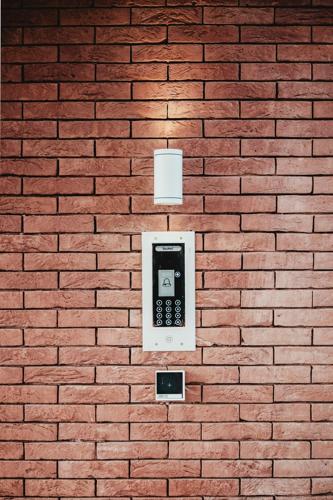
A house has many blind spots where a camera might not reach effectively. The right professional home security system installation places sensors in areas that cameras cannot see clearly. Sensors detect the heat or movement of a person moving through a dark hallway or a basement. It alerts you the moment someone crosses a line they should not.
Smart motion sensors distinguish between a pet walking by and a tall human. They use infrared technology to track body heat signatures across a room. Adding these to your hallways provides a second line of defense if someone enters through a window.
Strategic Sensor Placement
Place a sensor near the master bedroom or the stairs. These locations are high-traffic areas that an intruder must pass through to reach valuables. Most burglaries happen quickly, and knowing someone is inside the house is a huge advantage. Early detection allows you to call for help before a thief reaches your private spaces.
Sounding The Alarm
A loud noise is better than visual evidence for immediate deterrence. An industry analyst noted that 61% of households in the country now have at least one security camera. Even with so many lenses recording, thieves ignore them if they think they can get in and out fast. A high-decibel siren creates a sense of urgency that forces a person to flee.
The sound of an alarm wakes up the neighbors and alerts everyone in the house. Most criminals do not want the attention that a 110-decibel siren brings to their location. Sirens should be placed both inside and outside the property. An external siren lets the whole street know that something is wrong at your address.
Invisible Walls And Entry Points
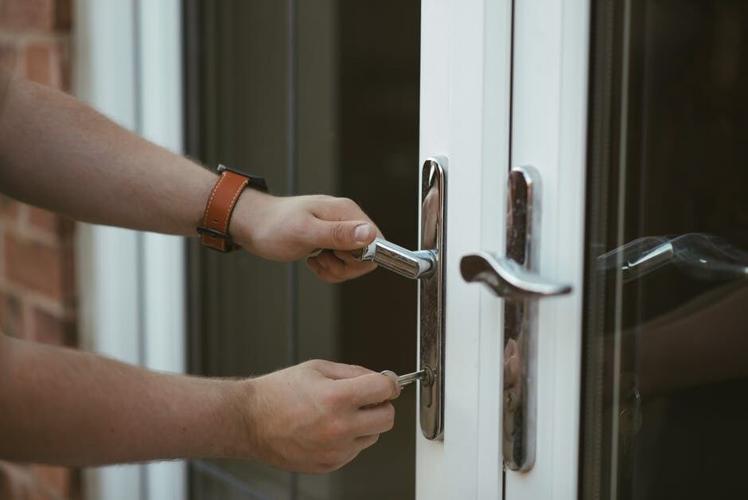
Doors and windows are the most common ways for someone to gain access to your private space. Contact sensors trigger a signal the moment the magnetic bond between two points is broken. Nearly 45% of new setups are wireless, making it easier to place sensors on every single window. Modern systems rely on these small tabs to create a digital perimeter around the entire property.
Having this feature helps you keep track of kids or pets moving around the house. Set the system to chime when a door opens during the day. At night, the same sensor triggers a full alarm response to keep you safe.
Window Safety Basics
Windows on the ground floor are the most vulnerable spots in any building. Standard locks are weak and easy to pry open with simple tools. Contact sensors tell you if a window is open before you leave for work or go to bed. Hardening these entry points prevents the most common types of home invasions.
Keeping The Connection Strong
A system is only as good as the internet connection that powers the hardware. If the Wi-Fi drops, your smart devices might become useless plastic boxes on the wall. Reliability matters when you are miles away from home and need to check on things. Hardwired backups or cellular chips keep the signal moving even when the power goes out.
Battery backups keep sensors active during heavy storms
Dual-band routers prevent interference between security tools
Shielded cables protect data from being intercepted
Regular firmware updates fix bugs in the software
Professional installers suggest a dedicated network for security devices. Keeping your cameras on a different frequency from your movie stream prevents lag. A fast connection means you see the alert the second the sensor trips.
Remote Eyes For Real-Time Response
Professional monitoring services add a human element to your digital hardware. Market data suggests the industry is growing from $4.37 billion to over $4.56 billion in just a year. Having a team ready to call emergency services saves precious minutes during a crisis. Experts can tell the difference between a false alarm and a genuine threat.
Self-monitoring has its limits. You might be in a meeting or sleeping when an alert hits your phone. Professional monitoring centers stay awake 24 hours a day to watch for trouble.
Choosing A Monitoring Plan
Some plans offer fire and carbon monoxide monitoring alongside theft protection. Linking these services together creates a safety net for every possible emergency. It is a small monthly price to pay for knowing help is always on the way. Choose a plan that fits the specific size and layout of your property.
Integrating Smart Home Features
Safety overlaps with convenience for smart technology. Smart locks allow you to let in guests without giving out a physical key. Lights can be programmed to turn on when a motion sensor triggers in the backyard. Connecting these pieces creates a home that looks occupied even when you are on vacation.
Using this trick discourages burglars who are looking for an empty house to target. Smart plugs can turn on a radio or a TV to simulate noise inside. Automation makes your security system part of your daily routine with no extra effort.
Outdoor lights reveal hiding spots near bushes or fences
Signage warns potential intruders that the home is monitored
Panic buttons provide a quick way to call for help
Smoke detectors link to the main alarm for fire safety

Protecting a home is an ongoing process of checking for weak spots. Using different tools together makes the whole system stronger than any single camera. Your family deserves a space that feels like a fortress against the outside world. Start by looking at the big picture and fill in the blanks with the right tech.


(0) comments
We welcome your comments
Log In
Post a comment as Guest
Keep it Clean. Please avoid obscene, vulgar, lewd, racist or sexually-oriented language.
PLEASE TURN OFF YOUR CAPS LOCK.
Don't Threaten. Threats of harming another person will not be tolerated.
Be Truthful. Don't knowingly lie about anyone or anything.
Be Nice. No racism, sexism or any sort of -ism that is degrading to another person.
Be Proactive. Use the 'Report' link on each comment to let us know of abusive posts.
Share with Us. We'd love to hear eyewitness accounts, the history behind an article.