
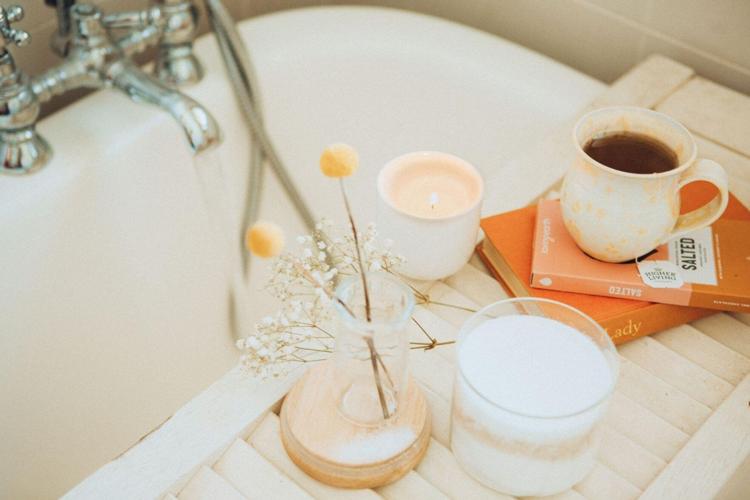

In 2026, lifestyle trends are moving toward a quieter, more intentional form of luxury, one rooted in craftsmanship, natural materials, and slower routines. This shift, often described as a return to artisan living, reflects a desire to reconnect with products and habits that feel grounded and sensory rather than mass-produced and purely functional.
From skincare to fashion, the emphasis is on quality, texture, and experience. Seasonal living, in particular, has become a defining influence, shaping not only what people wear but how they approach self-care and daily rituals.
The Rise of Handmade and Natural Self-Care
Artisan living begins with self-care that feels tactile and authentic. Rather than relying on highly processed products, individuals are gravitating toward formulations that emphasize natural ingredients and traditional methods. This includes soaps, oils, and body care items that highlight simplicity and transparency.
Brands associated with Oshun reflect this movement toward gentle, skin-focused care rooted in natural compositions. These products are valued not only for their ingredients but for the sensory experience they create, subtle scents, soft textures, and a feeling of calm that aligns with slower, more mindful routines.
Seasonal Fashion With a Crafted Edge
Fashion is evolving alongside self-care, with seasonal wardrobes becoming more intentional and expressive. Instead of fast-changing trends, there is a growing appreciation for pieces that reflect craftsmanship and durability while still feeling current.
Footwear is a strong example of this shift. Styles like summer cowgirl boots blend traditional Western design with lighter materials and seasonal adaptability. They offer both structure and comfort, making them suitable for a range of environments while maintaining a distinctive aesthetic rooted in heritage.
Texture, Material, and Sensory Appeal
A defining characteristic of artisan living is the focus on texture. Whether in clothing or self-care, materials are chosen for how they feel as much as how they look. Linen, soft leather, and natural fibers are favored for their ability to create a more grounded sensory experience.
This attention to material extends beyond fashion into everyday objects. Items are selected not just for function, but for how they contribute to the overall atmosphere of a space or routine. The result is a lifestyle that feels cohesive, where each element supports a consistent sensory tone.
Slower Routines and Intentional Habits
At the core of this movement is a shift toward slower, more deliberate routines. Rather than rushing through daily tasks, individuals are creating moments that allow them to pause and engage more fully with their environment.
This might involve taking time for skincare, choosing outfits with care, or simply structuring the day in a way that feels less reactive. These habits are not about efficiency, but about presence, an approach that prioritizes quality of experience over quantity of activity.
The Influence of Heritage and Craftsmanship

Artisan living draws heavily from traditional practices, reinterpreting them for modern lifestyles. This includes everything from handcrafted goods to techniques that have been passed down through generations.
The appeal lies in authenticity. Items that carry a sense of history or craftsmanship feel more meaningful, creating a stronger connection between the individual and what they use or wear. This connection is becoming a key factor in how people evaluate both fashion and self-care products.
Blending Practicality With Aesthetic Value
While the movement emphasizes beauty and craftsmanship, practicality remains essential. The most successful pieces and products are those that balance visual appeal with everyday usability.
This is why versatile items are gaining popularity. Clothing that can transition between settings or self-care products that fit seamlessly into daily routines are valued for their ability to support both function and style without compromise.
A More Personal Approach to Style and Well-Being
As artisan living continues to grow, it is shaping a more personal approach to both fashion and self-care. Individuals are moving away from standardized trends and toward choices that reflect their own preferences and routines.
This personalization creates a sense of ownership over one’s lifestyle. Instead of following predefined patterns, people are curating their environments, habits, and wardrobes in ways that feel authentic to them.
The Return of Meaningful Living
Ultimately, the return of artisan living reflects a broader cultural shift. It is not just about products or aesthetics, but about redefining what it means to live well. By focusing on craftsmanship, natural materials, and intentional routines, individuals are creating lifestyles that feel more connected and sustainable.
In this context, fashion and self-care are no longer separate categories. They are part of a unified approach to living, one that values experience, quality, and a deeper sense of balance in everyday life.


(0) comments
We welcome your comments
Log In
Post a comment as Guest
Keep it Clean. Please avoid obscene, vulgar, lewd, racist or sexually-oriented language.
PLEASE TURN OFF YOUR CAPS LOCK.
Don't Threaten. Threats of harming another person will not be tolerated.
Be Truthful. Don't knowingly lie about anyone or anything.
Be Nice. No racism, sexism or any sort of -ism that is degrading to another person.
Be Proactive. Use the 'Report' link on each comment to let us know of abusive posts.
Share with Us. We'd love to hear eyewitness accounts, the history behind an article.