
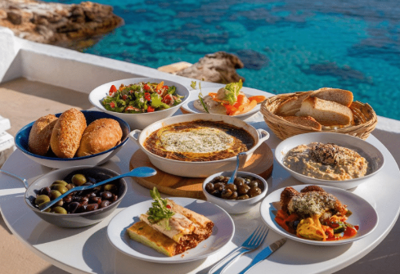

Travelers today are seeking more than just sights—they want to taste, touch, and immerse themselves in the cultures they visit. For food lovers, the Mediterranean offers two unforgettable options: experiencing the vibrant chaos of Turkish markets or the tranquil charm of Greek island kitchens. How do you decide between a Turkey food tour and a cooking vacation in Greece for your next culinary adventure?
Savoring the Streets: The Allure of a Turkey Food Tour
The bustling streets of Istanbul and beyond are a feast for the senses. Choosing a turkey food tour means diving headfirst into a world of spice-laden air, lively vendors, and centuries-old culinary traditions. Turkish cuisine, shaped by Ottoman influences, features bold flavors, diverse ingredients, and a rich street food culture.
Imagine sipping strong Turkish coffee in a historic café, sampling baklava still warm from the oven, or bargaining for fresh produce at the Grand Bazaar. Food tours in Turkey often blend history and gastronomy, with guides explaining the origins of mezes, kebabs, and the ever-popular simit. The dynamic setting is ideal for those who enjoy exploring on foot, discovering hidden eateries, and engaging with local artisans.
Island Hues: The Tranquility of Cooking in Greece
In contrast, a cooking vacation in Greece offers a more intimate, hands-on approach. Greek culinary traditions are deeply rooted in family, local harvests, and the rhythms of island life. Whether learning to roll dolmades with a village matriarch or pressing olive oil on a hillside farm, you’ll experience the Mediterranean diet at its source.
Greece’s cuisine is celebrated for its simplicity, relying on ultra-fresh ingredients like tomatoes, feta, and seafood. Cooking classes often take place in rustic kitchens with panoramic Aegean views, creating a slower, more reflective pace. This immersive experience appeals to travelers looking to master classic recipes, savor leisurely meals, and connect with the land and its people.
Comparing Culinary Travel Experiences: What Suits You Best?
When considering culinary travel experiences, it helps to think about your travel style and what you wish to gain from your journey. Turkey and Greece both offer world-class food, but the settings and experiences differ in important ways.
Turkey’s food tours are often fast-paced, urban, and focused on discovery. You’ll sample many flavors in a day, walk through crowded markets, and learn the stories behind each dish. Greece, on the other hand, emphasizes the joy of cooking together, sharing meals in serene settings, and understanding the philosophy behind Mediterranean cuisine.
Here’s a checklist to help clarify your preferences:
Do you prefer bustling cities or peaceful villages?
Are you excited by street food or home-cooked meals?
Do you want to observe or participate in the cooking process?
Is your focus on tasting variety or mastering techniques?
Are you comfortable with language barriers and market haggling?
Do you envision your trip as active or relaxing?
Your answers can help you choose the experience that aligns best with your travel goals.
Culinary Traditions: Contrast and Common Ground
Turkey’s culinary heritage is a crossroads of Europe and Asia, blending influences from the Middle East, Balkans, and Central Asia. Spices such as cumin, sumac, and cinnamon are prevalent, and meals often include a series of small plates, or mezes. Street food culture thrives, from grilled fish sandwiches by the Bosphorus to sweet, chewy lokum (Turkish delight).
Greek cuisine, by comparison, is defined by its reliance on fresh produce, olive oil, and simple preparations. Meals are often shared family-style, with recipes passed down through generations. Greek cooking vacations may include visits to local markets, wine tastings, and lessons on making staples like moussaka, spanakopita, and fresh seafood dishes.
Despite their differences, both cultures value hospitality and the communal nature of sharing food. Whether you’re navigating Istanbul’s spice routes or enjoying an alfresco meal on a Greek terrace, the sense of connection is central.
Beyond the Table: Cultural Experiences Included
A major factor in choosing between these destinations is what you want beyond the plate. Turkey’s food tours often incorporate historical and architectural highlights—think visits to the Hagia Sophia or ancient cisterns—alongside culinary stops. You might learn about the Silk Road’s impact on Turkish cuisine or explore neighborhoods known for their unique specialties.
In Greece, cooking vacations frequently offer excursions to olive groves, vineyards, and archaeological sites. You may participate in seasonal harvests or take part in local festivals. Both options provide rich cultural context, but your interests—urban exploration versus rural immersion—may influence your choice.
Practical Considerations: Timing, Season, and Accessibility
Both Turkey and Greece enjoy Mediterranean climates, but timing can affect your experience. Spring and fall are ideal for both, offering mild weather and abundant produce. Summer brings crowds, especially to Greek islands.
Travel logistics differ as well. Turkey’s large cities are well-connected by air and rail, making multi-city tours feasible. Greece’s islands, while stunning, may require ferry transfers and more planning. Dietary restrictions are generally accommodated in both countries, but communication may be easier in more tourist-focused regions.
The Art of Choosing: A Personal Culinary Journey
Ultimately, deciding between a Turkish food tour and cooking in greece depends on your personality, palate, and passion for adventure. Some travelers may even opt to combine both countries for a broader Mediterranean experience.
Consider what excites you most: the thrill of discovering hidden street food gems, or the serenity of mastering recipes in a sun-drenched kitchen. Both journeys promise memorable flavors, cultural insights, and the chance to bring a taste of the Mediterranean home.
Choosing between a Turkish food tour and a cooking vacation in Greece for your next culinary travel experience comes down to your style of exploration and your culinary curiosity. Turkey offers energetic markets, diverse street foods, and a fast-paced immersion in urban life, while Greece invites you to slow down, savor traditional recipes, and connect with local culture in beautiful, relaxed settings.Whether you’re drawn to the spice routes of Istanbul or the olive groves of Crete, your Mediterranean food journey is destined to be unforgettable.

(0) comments
We welcome your comments
Log In
Post a comment as Guest
Keep it Clean. Please avoid obscene, vulgar, lewd, racist or sexually-oriented language.
PLEASE TURN OFF YOUR CAPS LOCK.
Don't Threaten. Threats of harming another person will not be tolerated.
Be Truthful. Don't knowingly lie about anyone or anything.
Be Nice. No racism, sexism or any sort of -ism that is degrading to another person.
Be Proactive. Use the 'Report' link on each comment to let us know of abusive posts.
Share with Us. We'd love to hear eyewitness accounts, the history behind an article.