
Homeowners want projects that pay off when it’s time to sell. Upgrading the climate control system is a smarter move for long-term equity. A high-efficiency unit transforms a building from a money pit into a modern asset.
Buyers look for comfort and low monthly costs when they tour properties. Choosing better technology makes your listing stand out and represents a commitment to quality and future savings.

The Resale Advantage Of Modern Units
Upgrading the furnace or air conditioner brings a massive return when the house hits the market. Replacing an old system can recoup 85% to 100% of the initial cost. Most kitchen remodels do not offer that kind of financial recovery. It’s an investment that creates a powerful selling point that agents use to justify a higher asking price.
Buyers feel more confident when the major appliances are brand new. They know they will not face a huge repair bill the month after they move in. A new system offers a sense of security that old ductwork and loud fans cannot match. Sellers can market the property as "move-in ready" with a high-performance climate setup.
Choosing The Right Professional Support
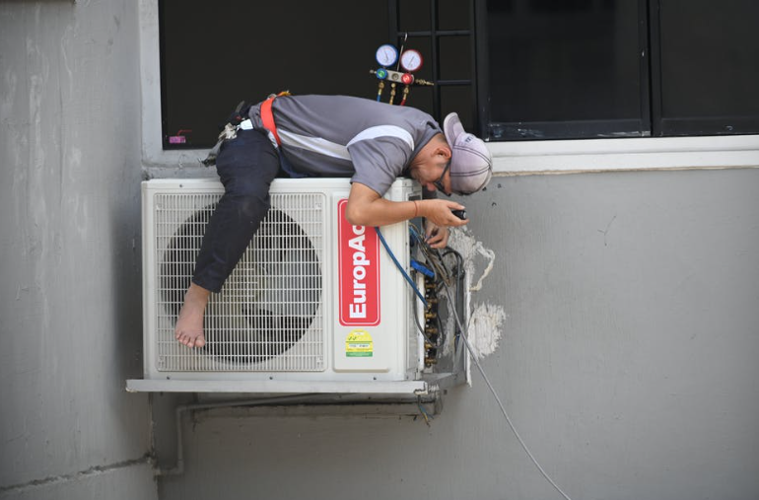
Upgrading a home takes careful planning and the right professional support. Finding reliable HVAC contractors provides the peace needed when spending thousands on new hardware. Expert installation keeps warranties valid and performance high.
Selecting a team with experience makes the transition much smoother. They understand how to size a unit for your specific floor plan. Poorly sized systems waste power and wear out faster than they should. A professional install guarantees the machine runs exactly as the manufacturer intended.
Real Estate Market Demands For Efficiency
Current trends show that shoppers care more about the environment than ever before. Around 31% of buyers want eco-friendly features specifically to boost resale value. Another 30% focus on the immediate savings found in monthly utility bills.
Families looking for mid-range homes now expect modern standards for heating and cooling. Homes with high ratings sell faster in many neighborhoods. Energy-conscious buyers filter their searches to find properties with low carbon footprints. Investing in a high-efficiency model puts your home at the top of those lists.
Lowering Operational Costs For Future Owners
Operating a home is getting more expensive every year. Reducing monthly expenditures makes the property more attractive to budget-conscious families. Long-term asset value grows when the cost of living in the house remains low.
People who want to purchase do the math on utility costs before they make an offer. They look at past bills to see if the house is a leaky property. A system that uses less power makes the house look like a better deal. It diverts the focus from the monthly mortgage to the total cost of ownership.
Sustainable climate control protects the home against rising electricity rates. People appreciate a house that guards their bank accounts from market fluctuations. Just a few upgrades provide a financial buffer that adds invisible value to every square foot.
Efficiency Metrics That Matter To Buyers
Understanding technical terms helps homeowners choose the right equipment. SEER ratings and HSPF scores tell the story of how much power a machine uses. Over 80% of homeowners would buy a new system if it paid for itself within a decade. High ratings prove that the system is a wise financial choice.
Before making a purchase, buyers look for Energy Star labels to confirm the quality. These certifications act as a seal of approval from third-party experts. Listing agents should highlight the specific SEER rating in the brochure. Showing off a 20 SEER unit makes a house feel like it belongs in the future.
Retrofitting Strategies For Older Properties
Older houses have drafty windows and thin insulation. New market research suggests that retrofitting these buildings can cut energy use by 50% to 90%. A well-maintained HVAC system overcomes the structural flaws of a historic building.
Modern equipment works harder without using more fuel. Variable-speed motors adjust to the needs of the home in real time, and they do not just blast air until the thermostat clicks off. Retrofitting requires a holistic look at the building. Professionals check the seals on the ducts and the state of the attic.
The Influence Of Smart Home Integration
Smart technology changes how people interact with their living spaces. Heat pumps and hybrid systems are becoming the default choice. Hybrid units come with built-in Wi-Fi and smart sensors. Owners can control the temperature from their phones while they are at work.
Adding a smart thermostat can track habits and lower the heat when the house is empty. Smart systems provide data on performance and alert the owner when it’s time to change a filter. Automation makes home maintenance feel effortless.
Remote temperature adjustments
Filter change alerts
Energy usage tracking
Integration with home assistants
Seasonal Maintenance And Long-Term Value
Don’t forget to keep your system in top shape. HVAC experts recently shared that upgrading from an old SEER 13 system to a modern SEER 20 model can save $300 to $500 per year. Savings only happen if the equipment stays clean and tuned up. Regular checkups prevent small issues from turning into expensive disasters.
A well-documented service history adds value during a home inspection and proves to the buyer that the owner took care of the property. Clear records show that the unit will last for many years to come.
Neglect will result in loud noises and uneven heating. A noisy air conditioner is a red flag for potential buyers. Keeping the system quiet and smooth keeps the home's value high.
Annual professional inspections
Monthly filter replacements
Clearing debris from outdoor units
Checking refrigerant levels
Navigating Regulatory Changes And Refrigerants
The industry is moving toward more eco-friendly standards. International trade reports show that regulations now encourage the use of sustainable climate control technologies. Older refrigerants are being phased out by the government.
Shoppers do not want to inherit a system that uses banned chemicals. Finding parts for old units becomes harder and more expensive every year. A new system uses the latest technology and is easy to fix.

Making the switch to high-efficiency climate control blends immediate comfort with long-term wealth building. You get to enjoy a cooler summer and a warmer winter while your equity grows. Keeping the mechanical heart of the home updated is the best way to keep that tool sharp. Every dollar spent on efficiency is a dollar invested in the future of the home.

(0) comments
We welcome your comments
Log In
Post a comment as Guest
Keep it Clean. Please avoid obscene, vulgar, lewd, racist or sexually-oriented language.
PLEASE TURN OFF YOUR CAPS LOCK.
Don't Threaten. Threats of harming another person will not be tolerated.
Be Truthful. Don't knowingly lie about anyone or anything.
Be Nice. No racism, sexism or any sort of -ism that is degrading to another person.
Be Proactive. Use the 'Report' link on each comment to let us know of abusive posts.
Share with Us. We'd love to hear eyewitness accounts, the history behind an article.