
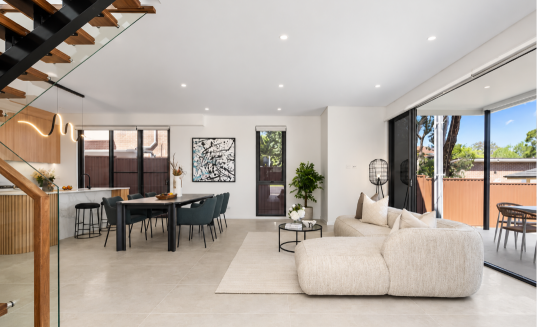
Luxury residential design is no longer just about selecting premium finishes or creating impressive interiors. For developers, architects, and interior designers, the real challenge is delivering spaces that combine visual consistency, practical functionality, and lasting quality.
In projects involving multiple rooms, residences, or building phases, coordinating cabinetry, materials, and architectural details can quickly become complex. Different suppliers, inconsistent finishes, and late-stage design changes may introduce unnecessary costs and delays.
Whole-home customization offers a more integrated approach. By planning interior components together rather than treating each room as an independent project, design professionals can maintain creative control while improving coordination from concept to installation.
Build a Consistent Design Language Across Every Space
A successful luxury residential project should feel cohesive, whether it involves a private villa, an upscale apartment, or a multi-unit development.
Consistency begins with the overall design concept. Materials, colors, cabinetry profiles, and architectural details should complement one another across kitchens, living areas, bedrooms, and bathrooms.
For example, a warm wood finish introduced in kitchen cabinetry can reappear in bedroom wardrobes or living room storage units. Coordinated door profiles and hardware can further strengthen visual continuity without making every space look identical.
This approach is particularly valuable for residential developers who need a recognizable design identity across multiple units while accommodating different floor plans.
Integrated whole-home customization solutions allow project teams to explore coordinated cabinetry, doors, wall panels, and other interior components within a broader design strategy.
The objective is not complete uniformity. It is creating a consistent architectural character that supports the project's market positioning and the experience of its future residents.
Integrate Custom Cabinetry Early in the Design Process
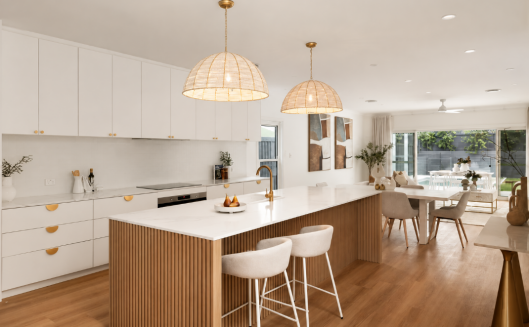
Cabinetry has a greater impact on residential planning than its decorative appearance might suggest.
Kitchen cabinets, wardrobes, bathroom vanities, and built-in storage all influence room dimensions, circulation, lighting, and electrical requirements.
When cabinetry decisions are postponed until the finishing stage, project teams may face conflicts between approved layouts and actual installation conditions.
Early coordination helps designers account for appliance dimensions, plumbing locations, wall clearances, lighting integration, and maintenance access.
For multi-unit developments, it also provides an opportunity to establish repeatable cabinet specifications while allowing selected finishes or configurations to vary between apartment types.
Working with experienced custom cabinetry manufacturers can help contractors and design teams assess fabrication capabilities, material options, technical drawings, and production requirements before finalizing specifications.
Clear documentation is essential. Approved shop drawings, material samples, hardware schedules, and installation tolerances should be established before production begins.
These steps can reduce avoidable revisions and help ensure the completed interiors reflect the original design intent.
Select Materials for Appearance, Durability, and Maintenance
Material selection in luxury residential projects involves more than choosing attractive colors or textures.
While natural wood veneers, lacquered panels, and stone surfaces can create sophisticated interiors, each material has different performance characteristics and maintenance requirements.
Developers and designers must consider how surfaces will perform under daily use, especially in kitchens, bathrooms, and other high-traffic areas.
Moisture exposure, cleaning methods, abrasion resistance, and the availability of replacement components may all influence long-term performance.
For large projects, consistency between production batches is another important consideration. Variations in color, grain, or surface texture can become noticeable when cabinetry is installed across numerous units.
Material samples should therefore be reviewed under realistic lighting conditions, with agreed reference standards retained for production inspections.
A successful specification balances the desired appearance with the project's budget, environmental conditions, and maintenance expectations.
Streamline Supplier Coordination and Project Delivery
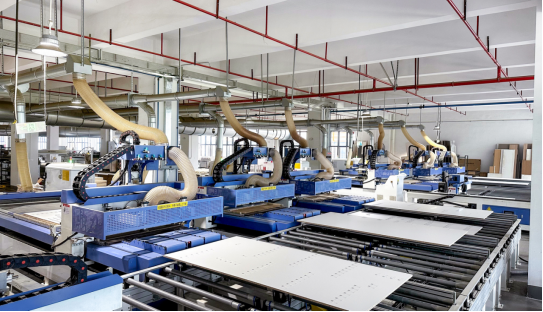
Managing several interior product suppliers can create challenges for architects, contractors, and project managers.
Separate production schedules, technical requirements, and delivery arrangements may lead to coordination gaps, particularly when different components must meet within the same space.
An integrated procurement strategy can simplify certain aspects of this process.
Coordinating cabinetry, wardrobes, vanities, and related interior elements can improve visibility over specifications and help project teams identify potential conflicts earlier.
However, working with fewer suppliers does not automatically guarantee better results.
Before selecting a manufacturing partner, procurement teams should evaluate production capacity, communication procedures, quality-control practices, packaging standards, logistics arrangements, and after-sales support.
Lead times and responsibilities should be documented, including how design revisions, damaged components, and installation adjustments will be handled.
A practical approach is to establish project milestones covering design approval, sample confirmation, manufacturing inspections, shipment, and on-site acceptance.
For high-end developments, dependable coordination is as important as the finished appearance.
Adapt Specifications to Regional Project Requirements
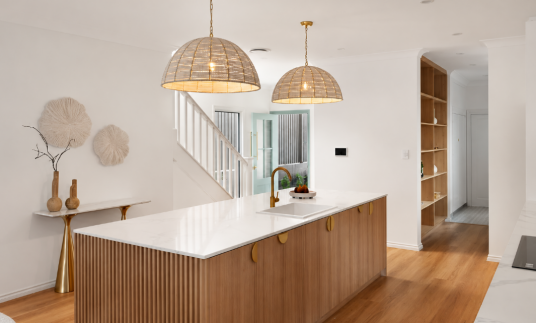
Luxury residential projects often share similar design ambitions, but regional conditions can significantly influence how interiors should be specified.
Climate, construction practices, local regulations, and resident preferences all deserve consideration.
In tropical environments, for example, moisture management and ventilation can affect the suitability of cabinet substrates, adhesives, finishes, and installation methods.
For international projects, local installation capabilities and replacement-part availability can also shape procurement decisions.
Reviewing completed regional projects provides a useful starting point for understanding how integrated interior concepts are applied in practice.
Regional manufacturing and supply capabilities can be important considerations when planning residential developments in different markets. For residential developments in Southeast Asia, regional market knowledge and installation requirements deserve particular attention. Providers such as PA Home Indonesia can be considered when exploring cabinetry and interior furnishing options for projects in Indonesia, alongside an assessment of material suitability, local requirements, and project support capabilities.
However, project photography alone is not sufficient evidence of technical performance. Teams should also request relevant specifications, construction details, and project documentation where available.
A successful customization strategy must translate a design concept into solutions that suit the local building environment and installation conditions.
Balance Design Flexibility With Project Cost Control
One of the most important decisions in residential development is determining where customization adds genuine value.
Not every element needs to be individually designed.
Standardizing internal cabinet construction, hardware systems, and selected material specifications may improve procurement efficiency, while customized door finishes, dimensions, and storage configurations can preserve a distinctive appearance.
For developers managing multiple residential units, selecting adaptable cabinetry systems can help balance design flexibility with procurement efficiency. Coordinating kitchen cabinets, wardrobes, and bathroom vanities across different unit types can support consistent finishes, streamlined specifications, and more efficient procurement planning.
It is also important to evaluate lifecycle considerations rather than focusing exclusively on initial purchase costs.
Reliable hardware, accessible maintenance components, and suitable finishes can contribute to smoother property management and a better resident experience over time.
The strongest residential interiors combine thoughtful design decisions with practical execution.
Whole-home customization offers architects, developers, and contractors a way to approach luxury residential interiors as a connected system rather than a series of separate rooms.
By coordinating cabinetry, materials, manufacturing specifications, and project delivery from the beginning, professional teams can create spaces that are visually cohesive and better aligned with practical requirements.
Ultimately, successful luxury residential design depends not only on the quality of individual products but also on how effectively every component contributes to the finished project.

(0) comments
We welcome your comments
Log In
Post a comment as Guest
Keep it Clean. Please avoid obscene, vulgar, lewd, racist or sexually-oriented language.
PLEASE TURN OFF YOUR CAPS LOCK.
Don't Threaten. Threats of harming another person will not be tolerated.
Be Truthful. Don't knowingly lie about anyone or anything.
Be Nice. No racism, sexism or any sort of -ism that is degrading to another person.
Be Proactive. Use the 'Report' link on each comment to let us know of abusive posts.
Share with Us. We'd love to hear eyewitness accounts, the history behind an article.