
Staying cool during the hot summer months makes life much more pleasant for everyone in the house. A cooling system works hard to remove heat and moisture from the indoor air. Keeping the machinery in good shape prevents sudden breakdowns when the temperature outside starts to climb.
Proper care extends the life of the equipment and keeps monthly utility costs manageable. Every homeowner can take some simple steps to keep the air flowing without a mechanical degree.

Maintaining Proper Airflow
Keeping vents open allows the machine to breathe properly. If you hire a local Springfield HVAC company for a yearly tune-up, the tech will inspect every register. Blocked vents force the motor to work harder and wear out faster.
Air needs to circulate freely through every room to maintain a steady temperature. Furniture or heavy curtains block the path of the cool air. Moving these items away from the registers helps the system distribute air with much less effort.
Saving Money Through Efficiency
Efficiency directly impacts the bank account every month. The U.S. Department of Energy suggests that better efficiency can slash energy costs by as much as 30%. Lower bills justify the small effort of keeping the unit clean.
Leaky ducts are a common reason for lost energy and higher costs. Small gaps in the metal piping allow cold air to escape into the attic or crawlspace. Sealing these leaks keeps the air moving toward the living areas where it belongs.
Clearing Debris From Outdoor Equipment
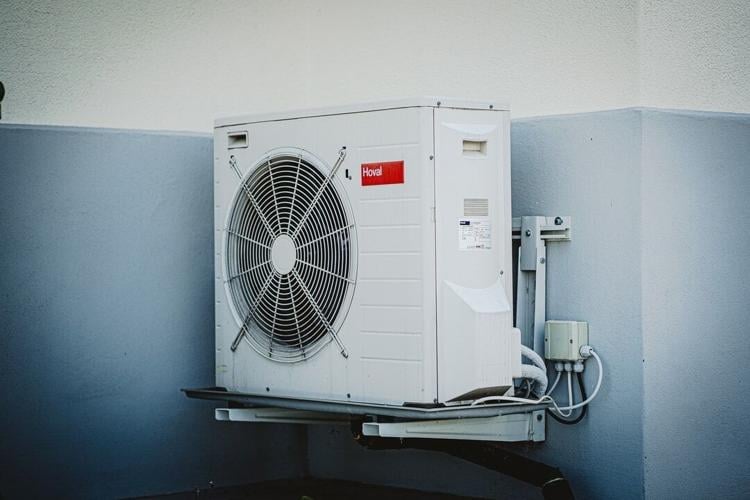
The outdoor portion of the unit needs plenty of space to release the heat from inside the home. Grass, weeds, and fallen leaves all pile up against the metal casing. Clearing a two-foot perimeter around the machine keeps the airflow steady and strong.
Inspect the metal fins on the side of the unit for any signs of damage or bending. Bending these fins back into place helps the air move through the coils correctly. Use a soft brush to remove cobwebs or dirt that might be stuck in the vents. Homeowners should check for these specific items near the outdoor unit:
Overhanging tree branches that drop sap or needles
Tall weeds that block the side intake panels
Piles of mulch that might hold moisture against the base
Toys or garden tools leaning against the metal cage
Keeping the area tidy prevents the fan from sucking in loose debris. Sharp objects can damage the fan blades or the motor. A clean workspace for the machine means fewer repairs during the peak of summer.
Understanding Professional Labor Standards
Some tasks require a level of expertise beyond simple DIY fixes. Government data from May 2024 showed the median annual wage for heating and cooling installers was $59,810. Skilled technicians spend years learning the chemistry and electrical systems behind modern cooling.
Testing the refrigerant levels is a job that only a licensed pro should handle. Handling chemicals requires special tools and safety gear to prevent leaks. A professional can find small cracks in the line before the whole system stops working.
Electrical connections inside the unit can loosen due to the vibration of the motor. Technicians check these wires to prevent shorts or fire hazards. Yearly inspections catch these minor issues before they become expensive problems.
Global Demand For Home Cooling
Climate changes across the globe mean more households rely on artificial cooling than ever before. Market research estimates global demand reached 131.6 million units for the 2024 calendar year. Growing demand puts a spotlight on the need for durable systems.
Manufacturing has increased to keep up with the number of people living in hotter climates. Many families are buying their first cooling systems as temperatures rise in areas that used to stay mild. Larger markets lead to better designs and more options for every type of home. Newer models are built to handle extreme heat for longer periods of time.
Managing Your Home Thermostat
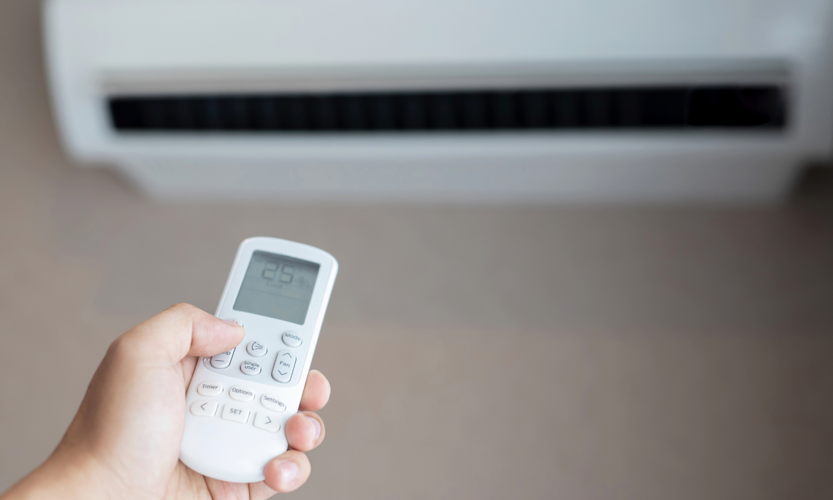
Using a programmable thermostat reduces the workload on the compressor. Setting the temperature a few degrees higher when the house is empty saves a lot of energy. The machine does not need to run at full blast if nobody is there to feel the breeze.
Smart thermostats can learn a schedule and adjust the air automatically. These devices provide reports on how much energy the house uses each day. Monitoring these patterns helps homeowners find new ways to save on their cooling bills.
Follow these steps to optimize the settings on a home thermostat:
Set the fan to "auto" rather than "on" to save motor life
Keep the temperature at 78 degrees when residents are home
Raise the target by 5 degrees when the house is empty for hours
Use a secondary thermometer to check for accuracy in large rooms
Avoid placing lamps or electronics near the thermostat sensor. Heat from a television or a light bulb might trick the sensor into thinking the room is hotter than it really is. Placing the controls in a central, shaded area gives the most accurate reading.
Looking Ahead To High Efficiency Tech
The future of home cooling involves much greener technology. A recent vision for 2030 aims to have 5% of the global room market powered by super-efficient, climate-friendly units. Upgrading to newer models meets these environmental goals.
Engineers are working on ways to cool homes using less electricity. New types of compressors can change speeds to match the cooling needs of the room exactly. These variable systems stay quiet and keep the temperature very steady.
Simple Cleaning For Internal Coils
The indoor evaporator coil is responsible for pulling the heat out of the air. A thin layer of dust can settle on the metal fins. A dirty coil makes the air feel humid and warm even when the fan is running.
Accessing the coil removes a small panel on the indoor furnace or air handler. Using a vacuum with a soft brush attachment can remove the loose dust. Be very careful not to bend the delicate metal fins during the cleaning process.

Checking the filters and keeping the area clean goes a long way toward a comfortable home. A little bit of attention during the spring keeps the air cold and fresh all through the summer.
Modern machines are built to last for many years if they receive basic care. Following a regular schedule for inspections keeps the parts moving smoothly. Staying cool is easy when the equipment is in top shape and ready for the heat.
(0) comments
We welcome your comments
Log In
Post a comment as Guest
Keep it Clean. Please avoid obscene, vulgar, lewd, racist or sexually-oriented language.
PLEASE TURN OFF YOUR CAPS LOCK.
Don't Threaten. Threats of harming another person will not be tolerated.
Be Truthful. Don't knowingly lie about anyone or anything.
Be Nice. No racism, sexism or any sort of -ism that is degrading to another person.
Be Proactive. Use the 'Report' link on each comment to let us know of abusive posts.
Share with Us. We'd love to hear eyewitness accounts, the history behind an article.