
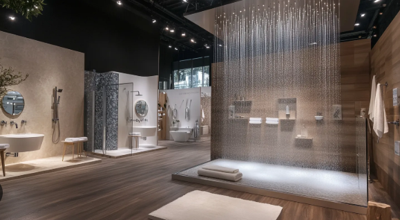

High-end plumbing fixtures have become design statements in modern homes. Sleek wall-mounted toilets, dramatic rain showers, and sculptural faucets now dominate renovation inspiration boards. They promise spa-like comfort, minimalist elegance, and a sense of luxury that elevates an entire space.
But what rarely gets discussed is what happens after installation.
Behind the polished finishes and architectural lines, many homeowners encounter unexpected frustrations from performance issues to costly repairs. Before investing in designer plumbing upgrades, it’s important to understand what often gets left out of showroom conversations.
1. The Hidden Demands of Rain Showers
Rain showerheads are a favourite in contemporary bathroom design. Mounted overhead, they deliver a soft, even cascade that mimics rainfall. In theory, they create a relaxing, immersive experience.
In reality, they can underperform in homes that aren’t equipped to support them.
Rain showers require consistent water pressure and adequate flow volume. Older plumbing systems may struggle to deliver enough pressure to achieve the intended effect. The result? A disappointing trickle rather than a luxurious downpour.
Additionally, ceiling-mounted units often require more invasive plumbing modifications during installation. Accessing the necessary piping can mean opening ceilings, rerouting supply lines, or reinforcing supports, all of which add cost and complexity.
Maintenance is another overlooked factor. Mineral buildup can quickly clog wide rain heads, especially in areas with hard water. Cleaning them isn’t always as simple as unscrewing a standard showerhead.
The visual impact is stunning, but performance depends heavily on what’s happening behind the walls.
2. Designer Faucets: Form Over Function?
Minimalist faucets with ultra-thin spouts and matte finishes photograph beautifully. However, highly stylized fixtures sometimes prioritize aesthetics over usability.
Low-profile faucets may cause splashing if not properly aligned with the sink basin depth. Wall-mounted faucets require extremely precise placement; even a slight miscalculation can make everyday tasks awkward.
Some luxury finishes also demand more maintenance than traditional chrome. Matte black and brushed brass can show water spots, fingerprints, and soap residue more prominently. Special cleaning products may be needed to preserve the finish.
More importantly, designer faucets often use proprietary parts. If internal cartridges fail years later, sourcing replacements may be more difficult and more expensive than repairing standard fixtures.
It’s easy to focus on how a faucet looks in a showroom. It’s much harder to predict how it will perform after thousands of daily uses.
3. Wall-Mount Toilets: Sleek but Complicated
Wall-mounted toilets are synonymous with modern design. Their floating appearance makes bathrooms feel larger and easier to clean. Concealed tanks hide plumbing components for a streamlined look.
But concealment comes with trade-offs.
The tank and carrier system are installed inside the wall. If a leak develops or a flushing mechanism fails, accessing those components may require removing wall panels or tiles. Even small repairs can turn into larger projects.
Installation also requires structural reinforcement. The in-wall frame must support significant weight, which means careful planning during construction or renovation. Retrofitting an existing bathroom for a wall-mounted toilet can become more complicated than anticipated.
While these systems are engineered for durability, any concealed plumbing setup increases the importance of proper installation. A mistake behind the wall is not easily corrected once everything is sealed and finished.
4. Water Pressure Reality vs. Showroom Expectations
Luxury plumbing fixtures are often displayed in ideal conditions, with high water pressure, balanced supply lines, and new infrastructure.
Many homes operate under different circumstances.
Low water pressure, aging pipes, partial blockages, or undersized supply lines can significantly affect performance. Multi-outlet showers with body sprays, handheld units, and overhead rain heads require adequate flow to function properly. Without it, homeowners may find that using more than one feature at a time reduces overall pressure.
Before upgrading to complex systems, it’s wise to get the plumbing checked professionally to ensure the existing infrastructure can handle the added demand. A beautiful fixture won’t compensate for a system that isn’t designed to support it.
5. The Cost of Repairs Is Often Higher
High-end fixtures frequently carry higher repair costs. Specialty components, concealed systems, and custom finishes can increase labour time and material expenses.
For example:
Replacing a standard faucet cartridge is typically straightforward.
Repairing a concealed shower valve behind tile can require demolition.
Accessing an in-wall toilet tank may involve partial wall removal.
Even when products come with warranties, labour costs may not be covered. Homeowners sometimes discover that the elegance they invested in also brings more complex service needs.
6. Cleaning and Long-Term Maintenance
Luxury plumbing design often emphasizes minimal seams and smooth surfaces, but certain modern configurations can complicate cleaning.
Open-grid drains, oversized rain heads, and matte finishes can trap residue in unexpected ways. Hard water leaves visible marks more easily on dark finishes. Some high-end fixtures recommend non-abrasive cleaners only, limiting cleaning options.
Over time, neglecting small maintenance steps can lead to performance decline. Mineral buildup reduces flow, seals dry out, and decorative finishes degrade without proper care.
Designers may focus on visual cohesion. Long-term maintenance rarely takes center stage in initial conversations.
7. Renovation Budgets and “Surprise” Upgrades
One of the biggest regrets homeowners report isn’t the fixture itself; it’s the cascading upgrades that follow.
Upgrading to luxury fixtures may require:
Larger water supply lines
Pressure-balancing valves
Structural reinforcement
Updated shutoff valves
Drain modifications
These adjustments aren’t always obvious during the planning phase. A simple fixture swap can evolve into a broader plumbing overhaul.
Budgeting only for the visible product often leads to sticker shock once installation begins.
8. Trends Change Plumbing Stays
Design trends evolve quickly. Matte black, brushed gold, and ultra-minimal silhouettes may dominate today’s aesthetic. In five to ten years, preferences may shift again.
Replacing decorative fixtures is possible, but replacing built-in plumbing systems is far more involved.
Choosing high-end plumbing should balance style with longevity. Timeless functionality tends to outlast bold design statements.
Making Smarter Fixture Decisions
None of this means luxury fixtures should be avoided. High-end products can enhance comfort, increase property value, and elevate everyday routines.
The key is approaching them with realistic expectations.
Before committing, consider:
Is the existing plumbing system compatible?
Will maintenance be manageable long term?
Are replacement parts readily available?
Does the design improve function as well as appearance?
When planning upgrades, it’s worth thinking beyond the showroom display. Performance, access, and infrastructure matter just as much as aesthetics.
A well-designed bathroom or kitchen blends beauty with practicality. The most satisfying renovations aren’t just visually impressive; they function effortlessly year after year.
Luxury plumbing can absolutely deliver that experience. It simply requires careful planning and informed decisions behind the walls, not just on the surface.
(0) comments
We welcome your comments
Log In
Post a comment as Guest
Keep it Clean. Please avoid obscene, vulgar, lewd, racist or sexually-oriented language.
PLEASE TURN OFF YOUR CAPS LOCK.
Don't Threaten. Threats of harming another person will not be tolerated.
Be Truthful. Don't knowingly lie about anyone or anything.
Be Nice. No racism, sexism or any sort of -ism that is degrading to another person.
Be Proactive. Use the 'Report' link on each comment to let us know of abusive posts.
Share with Us. We'd love to hear eyewitness accounts, the history behind an article.