
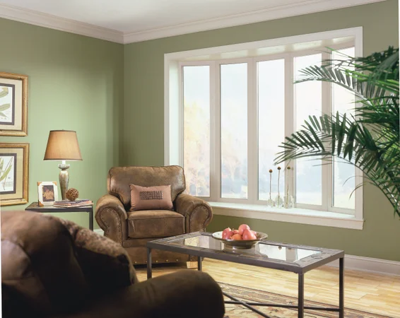

Windows do more than let in light. They affect indoor comfort, energy efficiency, noise control, and even home security. Over time, however, windows naturally wear down. Many homeowners don’t realize how much outdated or damaged windows impact daily living until problems become obvious. Knowing the signs that it’s time for Window Installation can help prevent higher energy costs and avoid more serious structural issues.
If you’re unsure whether your windows need replacing, here are some clear indicators to watch for.
1. Noticeable Drafts Around the Windows
One of the most common signs that windows need upgrading is feeling drafts near the frames. Even when windows are closed, you may notice cold air during winter or warm air entering in summer.
Drafts often occur due to:
Worn-out weatherstripping
Warped frames
Poor sealing around the edges
If you constantly adjust your thermostat but still feel temperature fluctuations, new window installation may improve insulation and comfort.
2. Rising Energy Bills
Unexpected increases in heating or cooling costs can signal window inefficiency. Older windows allow indoor air to escape and outdoor air to enter, forcing HVAC systems to work harder.
Energy loss through outdated windows may result from:
Single-pane glass
Failing seals between panes
Gaps in the window frame
Upgrading windows can reduce heat transfer and improve overall efficiency.
3. Difficulty Opening or Closing Windows
Windows should open and close smoothly. If you struggle to lift, slide, or lock them, it could indicate frame warping or mechanical failure.
Common causes include:
Moisture damage
Frame expansion and contraction
Broken hardware
Windows that don’t function properly can also create safety concerns, especially in emergency situations.
4. Condensation Between Glass Panes
Condensation on the inside or outside of windows can be normal under certain conditions. However, condensation trapped between glass panes is a sign of seal failure.
Double- or triple-pane windows rely on insulated spaces filled with gas for efficiency. When seals break:
Moisture enters between panes
Insulation performance drops
Visibility becomes cloudy
In these cases, window installation may be necessary to restore performance.
5. Visible Damage to Frames or Glass
Cracks, chips, or rotting frames should not be ignored. Even small amounts of damage can worsen over time, especially in regions with extreme weather.
Look for:
Peeling paint or soft wood
Cracked or shattered glass
Gaps between frame and wall
Damaged windows compromise both energy efficiency and structural protection.
6. Excessive Outside Noise
If outside noise seems louder than it should be, your windows may not be providing adequate insulation. Older or single-pane windows offer minimal sound reduction.
Modern windows with insulated glass and tighter seals help reduce:
Traffic noise
Neighborhood activity
Wind and storm sounds
Improved sound insulation contributes to overall home comfort.
7. Fading Furniture and Flooring
Ultraviolet (UV) rays can cause fading in carpets, furniture, and flooring. Older windows may lack protective coatings that block harmful UV exposure.
Modern replacement windows often include:
Low-emissivity (Low-E) coatings
Improved glass technology
These features help protect interior surfaces from sun damage.
8. Water Leaks Around Windows
Water stains or moisture buildup near windows may signal poor sealing or structural failure. Over time, leaks can lead to mold growth or wall damage.
Signs of water intrusion include:
Peeling paint
Warped trim
Damp or soft drywall
Addressing these issues early prevents more extensive repairs later.
9. Outdated Appearance
While performance is critical, aesthetics matter too. Old windows can make a home look dated or worn. Modern designs offer cleaner lines, improved framing materials, and updated finishes.
Upgrading windows can:
Improve curb appeal
Modernize exterior appearance
Enhance interior lighting
Visual updates often accompany performance improvements.
10. Your Windows Are Over 20 Years Old
Even well-maintained windows have a lifespan. Many windows installed decades ago were built with older technology and less efficient materials.
If your windows are 20 years old or more, they may not meet today’s energy performance standards. Window installation using modern materials can significantly enhance comfort and efficiency.
Benefits of Timely Window Installation
Upgrading windows when signs appear helps prevent larger problems and supports long-term performance. Benefits often include:
Improved indoor temperature stability
Lower energy usage
Enhanced noise reduction
Better home security
Increased property value
Addressing window issues early avoids ongoing inefficiencies.
When to Seek Professional Evaluation
If you notice multiple signs listed above, it may be helpful to have a professional assess your windows. An evaluation can determine whether repairs are possible or full window installation is the better long-term solution.
A professional inspection can also identify hidden issues not visible from the surface.
Windows play a critical role in comfort, efficiency, and protection. Drafts, rising energy bills, condensation, difficulty operating windows, and visible damage are all indicators that it may be time to consider window installation.
If your home is showing several of these warning signs, taking steps to upgrade your windows can improve comfort and prevent more serious issues in the future.


(0) comments
We welcome your comments
Log In
Post a comment as Guest
Keep it Clean. Please avoid obscene, vulgar, lewd, racist or sexually-oriented language.
PLEASE TURN OFF YOUR CAPS LOCK.
Don't Threaten. Threats of harming another person will not be tolerated.
Be Truthful. Don't knowingly lie about anyone or anything.
Be Nice. No racism, sexism or any sort of -ism that is degrading to another person.
Be Proactive. Use the 'Report' link on each comment to let us know of abusive posts.
Share with Us. We'd love to hear eyewitness accounts, the history behind an article.