
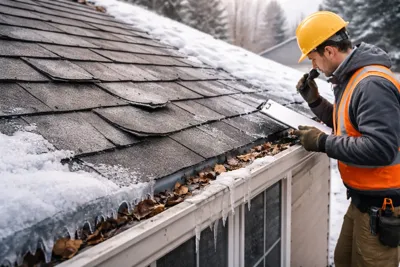

A roof can develop problems long before water starts dripping from the ceiling. Missing shingles, deteriorated flashing, damaged pipe boots, clogged gutters, and aging roofing materials can all allow moisture to work its way into the roofing system.
Catching these problems early can help homeowners limit damage and avoid more extensive repairs. Many warning signs can be spotted from the ground or inside the attic, while others may require a professional inspection to identify the actual source.
Why Catching Roofing Problems Early Matters
Roofing problems tend to become more complicated when water is involved. A small opening in the roof covering may allow moisture to reach the underlayment or roof decking. From there, water can spread into insulation, framing, ceilings, and walls.
Early repairs may also help extend the useful life of a roof. Replacing a damaged shingle, repairing flashing, or replacing a deteriorated pipe boot is generally much simpler than dealing with widespread decking deterioration or repeated interior leaks.
1. Missing or Damaged Shingles
Asphalt shingles are designed to overlap and direct water toward the roof edge. When shingles are missing, cracked, curled, or loose, the layers underneath may receive greater exposure to rain and wind.
Shingle damage can be caused by high winds, hail, falling branches, installation problems, or normal aging. Homeowners may notice missing shingles from the ground or find pieces of shingles around the yard after a storm. Other signs can include curled edges, cracked surfaces, lifted tabs, or areas where shingles appear noticeably different from the surrounding roof.
2. Roof Leaks
Homeowners may first notice a brown or yellow ceiling stain, peeling paint, damp insulation, musty odors, or moisture in the attic. Roof leaks can be difficult to diagnose because the location where water appears inside the home may be far from the point where it entered the roof.
“One of the biggest mistakes homeowners make with a roof leak is assuming the water is entering directly above the stain they see inside. Water can travel along roof decking, rafters, underlayment, or framing before it finally shows up on a ceiling. When we track down a leak, we look uphill from the interior damage and pay close attention to common failure points such as pipe boots, step flashing, chimney flashing, valleys, skylights, and other roof penetrations. The goal is to find the actual entry point, not just the place where the water becomes visible.” - Tim Taylor, Owner of RoofPRO
3. Damaged or Failed Flashing
Flashing is installed around vulnerable areas of a roof to help direct water away from joints and penetrations. Over time, flashing can loosen, corrode, crack, or pull away from surrounding materials. Sealants used around flashing can also deteriorate.
Even a small opening can allow water behind the roofing material. Because flashing problems are often concentrated around roof transitions, they are among the first areas roofing professionals inspect when tracking down a leak.
4. Clogged or Damaged Gutters
Gutters are designed to carry rainwater away from the roof edge and foundation. When they fill with leaves, twigs, roofing granules, or other debris, water may overflow or back up along the edge of the roof. Periodic gutter cleaning and inspection can help keep water moving away from the roof as intended.
5. Ponding or Standing Water
Standing water is most commonly associated with flat and low-slope roofing systems. Water that remains on a roof for extended periods can accelerate deterioration of roofing materials and increase the likelihood of leaks. Homeowners with low-slope roofs should pay particular attention to areas where water repeatedly collects after storms.
6. Roof Ventilation Problems
Proper attic ventilation helps control heat and moisture within the roofing system. When ventilation is inadequate, attic temperatures can become excessive during warm weather. During colder months, moisture from inside the home may condense on roof decking or framing.
Warning signs can include:
- Excessive attic heat
- Condensation
- Rusted nails or fasteners
- Mold or mildew
- Damp insulation
- Premature shingle deterioration
- Ice dams in colder climates
Ventilation problems can involve intake vents, exhaust vents, insulation placement, or a combination of factors.
7. Damaged Pipe Boots and Roof Penetrations
Plumbing vents and other roof penetrations are common sources of leaks. Many plumbing vents are surrounded by a rubber or synthetic boot that seals the gap between the pipe and roofing material. Over time, UV exposure and temperature changes can cause these materials to crack or deteriorate.
The roof around exhaust vents, antenna mounts, satellite mounts, and other penetrations can develop similar problems. Homeowners may not notice the damage from the ground, but moisture stains in the attic near a penetration can be an important clue.
8. Sagging Roof Areas
A roof surface should generally appear straight and consistent. Visible dips, waves, or sagging areas can indicate problems beneath the roofing material.
Possible causes include:
- Deteriorated roof decking
- Long-term moisture exposure
- Framing problems
- Excessive loads
- Structural movement
Sagging should be professionally evaluated, particularly when the change appears suddenly or continues to worsen.
9. Tree and Storm Damage
Storms can damage roofing systems in several ways. High winds may loosen or remove shingles. Hail can damage shingle surfaces. Falling branches may puncture roofing materials or damage flashing, gutters, and roof decking.
Not all storm damage is immediately obvious. A roof may appear intact from the ground while shingles have been lifted, flashing has loosened, or impacts have damaged roofing materials.
After a significant storm, homeowners should look for visible damage around the property and check the attic for new signs of moisture.
10. Aging Roofing Materials
All roofing materials deteriorate over time. The condition of a roof is usually more important than its age alone. Weather exposure, ventilation, installation quality, roof slope, maintenance, and material quality can all affect how quickly a roofing system deteriorates.
A roof that begins developing several problems at the same time may require a broader evaluation rather than repeated individual repairs.
When Should You Call a Roofing Contractor?
Homeowners should periodically check for visible changes and inspect the home after severe weather. A professional inspection may also make sense when:
- A leak develops
- A major storm passes through the area
- The roof is approaching the later years of its expected service life
- The home is being purchased or sold
- Previous repairs continue to leak
The earlier a problem is identified, the more options a homeowner may have for addressing it.
Roofing problems are often easier to manage when they are caught early. Missing shingles, damaged flashing, deteriorated pipe boots, clogged gutters, ventilation problems, and aging materials can all allow moisture into the roofing system if left unaddressed.
Roof leaks deserve particular attention because the visible stain inside the home may not reveal where water is actually entering. Looking at the entire path water could take through the roof is often the key to identifying and correcting the real problem.


(0) comments
We welcome your comments
Log In
Post a comment as Guest
Keep it Clean. Please avoid obscene, vulgar, lewd, racist or sexually-oriented language.
PLEASE TURN OFF YOUR CAPS LOCK.
Don't Threaten. Threats of harming another person will not be tolerated.
Be Truthful. Don't knowingly lie about anyone or anything.
Be Nice. No racism, sexism or any sort of -ism that is degrading to another person.
Be Proactive. Use the 'Report' link on each comment to let us know of abusive posts.
Share with Us. We'd love to hear eyewitness accounts, the history behind an article.