
Few things are more frustrating than your AC blowing hot air, especially during Vincennes, IN's hot and humid summers. When temperatures regularly climb into the 90s, a malfunctioning air conditioner isn't just an inconvenience; it's a critical comfort and safety issue for your home. We understand the urgency of restoring cool air to your living spaces. This guide will walk you through the most common reasons why your AC might be blowing warm air, helping you identify potential problems and understand when it's time to call a professional. Our aim is to empower you with the knowledge to troubleshoot effectively and keep your home comfortable.
In the challenging climate of Vincennes, IN, where average daily highs can reach 87°F in July and frequently push into the 90s, the reliability of your home's cooling system is paramount. While traditional air conditioning units are susceptible to various failures that can lead to an AC blowing hot air, advanced heating, ventilation, and air conditioning (HVAC) solutions, such as geothermal and solar-powered systems, offer a robust alternative designed for consistent performance and efficiency. These innovative technologies leverage fundamental thermodynamic principles and renewable energy sources to provide superior climate control, significantly reducing the likelihood of common AC malfunctions.
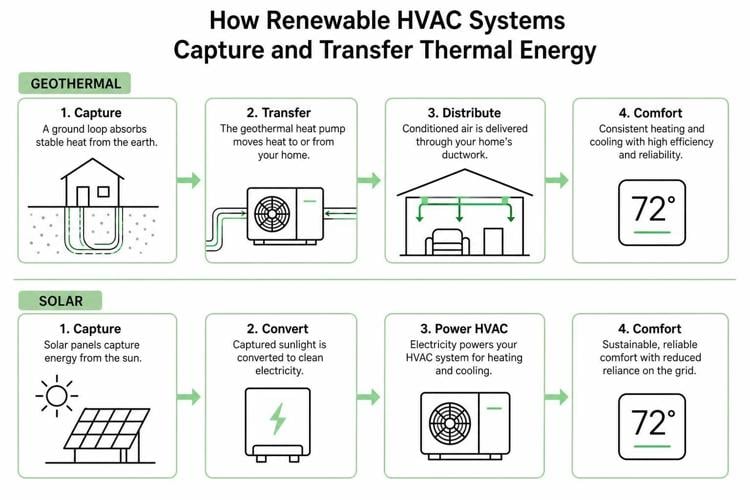
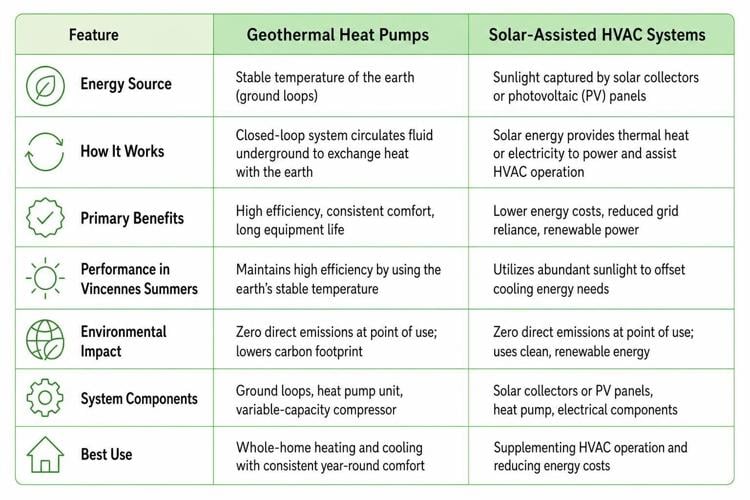
Geothermal systems, for instance, capitalize on the steady subterranean temperatures found just a few feet below the earth's surface. Unlike conventional air conditioners that exchange heat with the fluctuating outdoor air, geothermal heat pumps interact with the earth's stable temperature, which remains relatively constant year-round. This inherent stability means the system operates with less strain, leading to fewer instances of issues like a failing compressor or low refrigerant levels – common culprits when an AC starts blowing warm air.
Solar HVAC solutions, on the other hand, integrate photovoltaic (PV) panels or solar thermal collectors to power or supplement your home's heating and cooling. By harnessing the sun's energy, these systems can reduce reliance on the electrical grid, offering a degree of grid independence and mitigating potential electrical issues that might otherwise cause a traditional AC to malfunction. Imagine a summer day in Vincennes where your AC is struggling, perhaps due to an electrical surge or an overworked compressor. With solar integration, your system benefits from a sustainable power source, enhancing its resilience and reducing the chances of your AC blowing hot air when you need it most. These systems represent a significant leap forward in ensuring consistent thermal comfort and energy efficiency for modern homes.


Implementing Geothermal and Solar HVAC Solutions in Residential Retrofits
Transitioning to advanced HVAC systems like geothermal and solar in an existing Vincennes home involves careful planning and expert installation. Unlike simply replacing a faulty traditional AC unit that's blowing hot air, a retrofit requires a comprehensive approach to ensure optimal performance and efficiency. This process typically begins with a thorough evaluation of your home's existing ductwork. Older homes might have leaky or improperly sized ducts, which can compromise the efficiency of any HVAC system, leading to uneven cooling or the sensation of warm air even from a new unit. Ensuring airtight, well-insulated ductwork is crucial for distributing conditioned air effectively throughout your home.
Another key consideration is zoned temperature control. Modern advanced HVAC systems often allow for different temperature settings in various areas of your home, optimizing comfort and energy use. This means you can keep unused rooms at a slightly higher temperature while maintaining ideal coolness in living spaces, preventing the waste that occurs when an entire home is cooled indiscriminately. This level of control helps avoid scenarios where one part of the house feels warm because the system is struggling to cool the entire space uniformly.
Accurate heating and cooling load calculations are fundamental to designing an advanced system that precisely matches your home's needs. These calculations take into account factors like square footage, insulation levels, window efficiency, and local climate data (like Vincennes' humid summers). An undersized system will inevitably struggle, potentially leading to an AC blowing hot air, while an oversized one will cycle inefficiently. For those considering a comprehensive upgrade to their home's climate control, exploring options like geothermal and solar HVAC can provide valuable insights into these cutting-edge technologies. These systems are designed for high seasonal performance factors, meaning they deliver efficient heating and cooling throughout the year, significantly reducing the likelihood of unexpected breakdowns and ensuring consistent comfort.
The Environmental Impact of Geothermal and Solar HVAC Solutions
Beyond providing reliable cooling that helps prevent your AC from blowing hot air, geothermal and solar HVAC systems offer substantial environmental benefits. These advanced technologies play a critical role in reducing a homeowner's carbon footprint, aligning with global efforts to combat climate change. Unlike conventional fossil fuel-based heating and cooling systems, geothermal heat pumps and solar-powered solutions produce zero direct emissions at the point of use. This eliminates the release of greenhouse gases and other pollutants into the atmosphere, contributing to cleaner air quality in communities like Vincennes.
The operational efficiency of these systems, often measured by their coefficient of performance (COP), far surpasses that of traditional HVAC equipment. A high COP indicates that a system delivers significantly more heating or cooling energy than the electrical energy it consumes. For example, a geothermal system can typically move three to five units of heat for every unit of electricity used, making it incredibly efficient. This efficiency translates not only to lower utility bills but also to a reduced demand for electricity generated by power plants, which often rely on burning fossil fuels.
As the world moves towards a fossil fuel phase-out, investing in renewable HVAC technologies positions homeowners at the forefront of sustainable living. Furthermore, many advanced systems are designed to use eco-friendly refrigerants, which have a lower global warming potential compared to older refrigerants still found in some traditional AC units. By choosing geothermal or solar, homeowners in Vincennes are not just upgrading their comfort; they are making a tangible contribution to environmental preservation, ensuring a healthier planet for future generations while enjoying consistent, reliable cooling that avoids the frustration of an AC blowing warm air.
How Ground-Source and Solar Thermal Systems Transform Efficiency
The fundamental difference between advanced ground-source and solar thermal systems and conventional HVAC lies in their approach to energy exchange and utilization, leading to significantly transformed efficiency. Traditional air conditioners rely on the ambient air, which can be scorching hot in Vincennes summers, making the system work harder and increasing the risk of issues like an AC blowing hot air due to overheating or strain. In contrast, advanced systems tap into more stable and abundant energy sources.
Ground-source heat pumps utilize a network of closed-loop piping buried underground, either in vertical boreholes or horizontal ground loops. This loop system circulates a fluid that exchanges heat with the earth. During summer, the system extracts heat from your home and transfers it to the cooler ground; in winter, it reverses the process, drawing heat from the earth into your home. This constant interaction with the earth's stable temperature (around 50-60°F year-round, regardless of surface conditions) provides a consistent thermal sink or source, allowing the system to operate at peak efficiency without the extreme swings in performance seen in air-source units. This stability dramatically reduces the stress on components like the compressor, which is a common failure point in traditional ACs that leads to blowing hot air.
Solar thermal systems, on the other hand, employ solar collectors to absorb sunlight and convert it into thermal energy, which can then be used for water heating or to assist in space heating and cooling. Photovoltaic (PV) panels generate electricity directly from sunlight, which can power the heat pump, fans, and other electrical components of your HVAC system. This direct use of solar energy reduces the electrical load on the grid and can offset operational costs, ensuring your system has a reliable power supply even during peak demand, preventing electrical issues that might cause an AC to blow hot air. The combination of these technologies offers a resilient and highly efficient approach to home climate control, providing consistent comfort throughout the year.

Ground-Source Heat Pump Mechanics and Ground Loops
At the heart of a ground-source heat pump's exceptional reliability and efficiency, particularly in preventing issues like an AC blowing hot air, is its sophisticated refrigerant cycle and the innovative use of ground loops. Unlike traditional air conditioners that use an outdoor unit exposed to the harsh Vincennes elements, a geothermal system's primary heat exchange occurs underground.
The system works by circulating a refrigerant through a closed loop of piping, which is either buried vertically in boreholes or horizontally in trenches. This underground loop acts as a heat exchanger, absorbing heat from the earth in winter and dissipating heat into the earth in summer. Inside your home, the heat pump unit contains a compressor, which plays a crucial role in the refrigerant cycle. Modern geothermal systems often feature variable-capacity compressors, allowing them to adjust their output to precisely match your home's heating and cooling needs. This prevents the constant on-off cycling of single-stage compressors, reducing wear and tear and significantly extending the lifespan of the unit.
When cooling, the refrigerant absorbs heat from your indoor air, then travels to the ground loop where it releases that heat into the cooler earth. The cooled refrigerant then returns to absorb more heat from your home. This continuous process leverages the earth as a stable thermal sink, ensuring that the system never has to contend with extreme outdoor air temperatures. This stability drastically reduces the likelihood of problems such as low refrigerant levels due to leaks (less exposed piping) or compressor failure due to overwork, both common causes for an AC blowing hot air. The water-to-air delivery system then distributes the conditioned air throughout your home, providing consistent, comfortable temperatures year-round with unparalleled efficiency.
Solar Thermal and Photovoltaic HVAC Integration
Integrating solar energy into your HVAC system offers another powerful layer of efficiency and reliability, helping to prevent the common pitfalls that lead to an AC blowing hot air. This integration can take several forms, primarily through solar thermal collectors or photovoltaic (PV) panels.
Solar thermal collectors absorb sunlight to heat a fluid, which can then be used to supplement your home's water heating or even assist in space heating. While less common for direct cooling, these systems can be part of advanced setups like solar absorption chillers, which use heat (from solar thermal or other sources) instead of electricity to produce cooling. This is a highly efficient, albeit more complex, method of air conditioning that significantly reduces electrical consumption.
More commonly, PV panels are integrated to generate electricity that directly powers the HVAC system. This is particularly beneficial for heat pumps, which are inherently electric. By powering your heat pump with solar-generated electricity, you reduce your reliance on the grid, especially during peak demand times when the grid might be stressed, and traditional AC units are most prone to electrical issues or brownouts that can cause them to blow warm air. Modern solar-integrated systems often utilize DC inverter compressors, which are highly efficient and can modulate their speed to match demand, further optimizing energy use.
For enhanced resilience, power storage solutions like battery banks can be incorporated, allowing you to store excess solar electricity for use during cloudy days or at night. This ensures continuous operation and comfort, even when the sun isn't shining. Hybrid backup systems, which combine solar with a conventional energy source, provide an additional layer of security, guaranteeing that your home remains comfortable regardless of weather conditions or grid stability. This comprehensive approach to energy management ensures that your HVAC system operates smoothly and efficiently, minimizing the chances of unexpected failures that leave you with an AC blowing hot air.
Comparing Upfront Investments, Incentives, and Long-Term Value
When considering advanced HVAC solutions like geothermal and solar, it's natural to evaluate the upfront investment against the long-term benefits. While the initial capital expenditure for these systems can be higher than that of a conventional air conditioner replacement, the financial landscape is significantly influenced by various incentives and the substantial long-term value they provide. This perspective is crucial, especially for homeowners in Vincennes looking for a lasting solution to avoid the recurring frustration and repair costs associated with an AC blowing hot air.
One of the most compelling aspects of investing in renewable HVAC technologies is the availability of federal clean energy incentives. As of September 2026, homeowners can still benefit from significant tax credits and rebates designed to encourage the adoption of energy-efficient home improvements. These incentives can substantially offset the initial installation costs, making advanced systems more accessible. Beyond federal programs, many states and local utilities offer additional rebates or low-interest financing options for geothermal and solar installations. It's always advisable to research current programs in the Vincennes area to maximize your savings.
The true financial advantage of these systems becomes apparent through utility bill offsets. Geothermal and solar HVAC dramatically reduce energy consumption, leading to lower monthly utility bills. Over the lifespan of the equipment, these savings can amount to tens of thousands of dollars, effectively paying back the initial investment. Moreover, these systems offer a valuable utility rate hedge, protecting homeowners from fluctuating energy prices. As energy costs continue to rise, having a system that either uses minimal grid electricity or generates its own power provides long-term financial stability.
Furthermore, equipment longevity is a significant factor. Geothermal systems, with their underground components protected from the elements, often have lifespans of 20-25 years for the indoor unit and 50+ years for the ground loop. Solar panels typically come with warranties lasting 25 years or more. This extended lifespan far exceeds that of traditional AC units (typically 10-15 years), meaning fewer replacements and repairs. This directly addresses the question of whether to repair or replace an older AC that's blowing hot air; an investment in geothermal or solar can provide a much longer-term, more reliable solution. The peace of mind that comes from a durable system, less prone to common failures like compressor issues or refrigerant leaks, adds immeasurable value.
- Federal Tax Credits: Significant deductions for geothermal and solar installations.
- State and Local Rebates: Programs specific to Indiana or Vincennes that further reduce costs.
- Energy Efficiency Loans: Low-interest financing options from utilities or government agencies.
- Property Value Increase: Homes with renewable energy systems often command higher market values.
- Reduced Maintenance Costs: Fewer moving parts and stable operating conditions lead to less frequent breakdowns.
Frequently Asked Questions About Advanced HVAC Systems
Homeowners often have questions about the practical application and reliability of advanced HVAC technologies, especially when considering a transition from conventional systems that might be prone to issues like blowing hot air. Here, we address some common concerns regarding geothermal and solar solutions.
How reliable are ground-source systems during extreme winter temperatures?
Ground-source heat pumps are exceptionally reliable, even during the coldest Vincennes winters. Their primary advantage lies in leveraging the constant earth temperatures, which remain stable well below the frost line, typically between 50-60°F year-round. This means that while outdoor air temperatures might plummet below freezing, the ground loop always has a relatively warm source from which to extract heat. This consistent thermal source allows the system to operate efficiently and effectively without the significant drop in performance experienced by air-source heat pumps in very cold weather.
In extremely rare cases or for homes with very high heating loads, auxiliary heat integration can be incorporated into a geothermal system. This might involve an electric resistance heater or a small furnace that kicks in only when absolutely necessary, ensuring continuous comfort. However, for most well-designed geothermal installations, the system's sub-freezing performance stability is outstanding, making it a robust choice for year-round climate control and significantly reducing the likelihood of heating failures that could leave you cold, just as it prevents cooling failures that lead to an AC blowing hot air in summer.
Can solar-powered heating and cooling work effectively in cloudy climates?
Yes, solar-powered heating and cooling systems can work effectively even in climates with frequent cloud cover, though their performance will naturally vary with sunlight intensity. Modern photovoltaic (PV) panels are designed to absorb diffuse light, meaning they can still generate electricity on overcast days, albeit at a reduced capacity compared to full sun.
For optimal performance and reliability, solar HVAC systems are often designed with grid-tied backup. This means your home remains connected to the local utility grid, drawing electricity when solar production is insufficient (e.g., at night or during prolonged cloudy periods) and feeding excess solar electricity back into the grid when production is high. This seamless integration ensures that your heating and cooling needs are always met.
Furthermore, battery energy storage integration is becoming increasingly popular. Batteries store surplus solar energy generated during sunny hours, making it available for use when solar production is low. This enhances energy independence and ensures continuous operation of your HVAC system, preventing interruptions that could lead to an AC blowing hot air or a heating system failing. While Vincennes experiences its share of cloudy days, the overall solar resource is sufficient to make solar HVAC a viable and beneficial option when properly designed and integrated.
What is the typical payback period for advanced renewable HVAC installations?
The typical payback period for advanced renewable HVAC installations, such as geothermal and solar, varies widely depending on several factors, but generally ranges from 5 to 15 years. This timeframe is influenced by the initial installation cost, the specific federal and local incentives available (which can significantly shorten the payback period), and crucially, your current energy consumption and utility rates.
One of the primary drivers for a shorter payback period is the substantial energy savings return. By drastically reducing your reliance on conventional electricity or fossil fuels, these systems lead to significantly lower monthly utility bills. The higher your previous energy consumption and the higher your local utility rates, the faster you will see a return on your investment. For example, if your traditional AC was frequently blowing hot air, requiring costly repairs and consuming excessive electricity, the savings from a more efficient geothermal or solar system would be more pronounced.
Beyond direct energy savings, the lifecycle cost reduction is a major financial benefit. Advanced systems boast exceptional equipment longevity and require less frequent maintenance compared to traditional HVAC units. Fewer breakdowns mean fewer repair bills and a longer period before needing a full system replacement. This contributes to a lower overall cost of ownership over the decades. Finally, these systems act as a powerful utility rate hedge, protecting homeowners from future energy price increases. By producing your own power or drawing from the stable earth temperature, you insulate yourself from market volatility. When considering the long-term value, including increased property value and environmental benefits, the investment in advanced renewable HVAC systems offers a compelling and sustainable financial choice for homeowners in Vincennes.
The challenge of an AC blowing hot air in Vincennes, IN, particularly during the region's notoriously humid summers, is a common and frustrating experience for many homeowners. While traditional troubleshooting and repair of conventional systems are often necessary, looking ahead, advanced HVAC solutions like geothermal and solar present a compelling path towards more reliable, efficient, and sustainable climate control. These technologies transcend the limitations of conventional air conditioners by leveraging stable natural resources, offering a proactive approach to preventing common AC failures.
By understanding the thermodynamic principles behind ground-source heat pumps and the energy-generating capabilities of solar integration, homeowners can make informed decisions that enhance their home's comfort and resilience. These systems provide consistent thermal comfort year-round, significantly reduce operational costs through utility bill offsets, and contribute to a substantial reduction in carbon footprint. The initial investment, while higher, is increasingly offset by federal and local incentives, coupled with the long-term value derived from equipment longevity and reduced energy dependence.
Embracing this modern clean technology transition means investing in a future where your home's climate control is not only efficient and eco-friendly but also exceptionally reliable. It ensures that your property value appreciates with cutting-edge infrastructure and provides the ultimate peace of mind, knowing that your home will remain a sanctuary of comfort, free from the worry of an AC blowing hot air, even on the hottest Vincennes days.


(0) comments
We welcome your comments
Log In
Post a comment as Guest
Keep it Clean. Please avoid obscene, vulgar, lewd, racist or sexually-oriented language.
PLEASE TURN OFF YOUR CAPS LOCK.
Don't Threaten. Threats of harming another person will not be tolerated.
Be Truthful. Don't knowingly lie about anyone or anything.
Be Nice. No racism, sexism or any sort of -ism that is degrading to another person.
Be Proactive. Use the 'Report' link on each comment to let us know of abusive posts.
Share with Us. We'd love to hear eyewitness accounts, the history behind an article.