
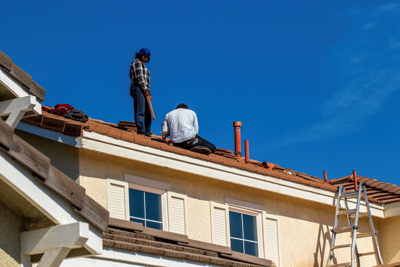

Homeowners rarely plan for roof trouble. It usually starts with a stain on the ceiling, a leak during a storm, or shingles scattered across the yard. By the time they pick up the phone, they are often under pressure to make a fast decision about a contractor they barely know. That is why homeowners make the most important part of a roofing project happen before any contractor removes shingles: asking the right questions.
Across New England, where snow, ice, wind, and heavy rain routinely test even well-built homes, choosing the wrong contractor can be especially costly. Long-running and trusted roof repair companies in New England, such as Merrimack Valley Roofing & Gutter, have seen the consequences firsthand when customers call them in to fix work done by others.
Their experience offers a useful lens on what every homeowner, no matter which roofer they choose, should ask before signing anything.
Question 1: What Exactly Am I Paying For?
The first question is simple: what, exactly, does the price include? According to Merrimack Valley Roofing & Gutter's longtime supervisor, John Wolfe, a clear contract should spell out materials, labor, disposal, permits, and any potential extras.
Contractors should show homeowners specific product names, underlayment types, ventilation plans, and details on flashing and gutters, not just vague references to “high-quality materials.”
“If a contractor cannot or will not walk through a written estimate line by line, that is a red flag,” Wolfe mentions.
A homeowner should know how many roofing squares are being installed, whether plywood replacement is included or billed separately, and what will trigger additional charges. Timeline and scope belong in the same conversation. How long will the work take, under normal conditions? What happens if the weather delays the project? Who is responsible for protecting landscaping or interior finishes beneath the work area?
A trusted roof repair company will set expectations in writing rather than leaving homeowners to assumptions, which can create problems in the future.
Question 2: Who Will Actually Be on My Roof?
Many homeowners assume that the person who sells the job will be the one running it. That is not always the case. Merrimack Valley Roofing & Gutter owner Jeremy Coito mentions that subcontracting is common in the roofing industry. While it can be done responsibly, it raises important questions about oversight and accountability.
Before signing, homeowners should ask whether the crews are employees or subcontractors, what training they receive, and who supervises them on-site. There should be a clear answer to the basic question: who is responsible if something goes wrong?
Established companies and reputable contractors tend to have structured systems for foreman supervision, safety practices, and quality checks, and they can explain those systems without hesitation.
Insurance and licensing are non-negotiable. Proof of liability coverage and workers’ compensation should be provided willingly. In states like Massachusetts and New Hampshire, contractors must also hold specific registrations or licenses for roofing and home improvement work. Hiring a properly licensed roofer affects both legal protection and the validity of manufacturer warranties.
Question 3: What Happens If There’s a Problem Later?
A roof is not just a one-time purchase; it is a long-term system exposed to years of weather. That makes warranty questions essential. Coito stresses that homeowners should ask for a clear explanation of both workmanship warranties and manufacturer warranties: what they cover, how long they last, and what conditions could void them.
Many materials come with impressive-sounding warranties that apply only if the installer meets specific training and installation requirements. Licensed roofing companies in Southern New Hampshire and longstanding firms that hold certifications from major manufacturers, such as GAF or CertainTeed, often offer stronger coverage than non-certified installers. What matters most is not the brand name, but whether the contractor is actually authorized to register and support those warranties.
Another practical question: how does the company handle callbacks? A trusted roof repair company should have a documented process for responding to leaks or concerns after the job is complete. Homeowners can ask how often callbacks occur, how quickly the company responds, and whether those visits are handled by the same level of staff who managed the original job.
Question 4: How Will You Treat My Home While You’re Working?
Roofing repair is inherently disruptive: there will be noise, debris, and heavy materials moving around the property. Before signing a contract, homeowners should ask how the company plans to protect driveways, landscaping, neighboring properties, and indoor spaces.
Coito explains, “Specifics matter. Where will dumpsters and materials be placed? How will nails and debris be collected? What steps will be taken to shield windows, decks, or air conditioning units? These are small yet critical questions.”
A contractor who takes these questions seriously is more likely to respect the property from start to finish. For instance, Wolfe often emphasizes that cleanup is not an optional courtesy; it is part of the job. That mindset is a useful benchmark for evaluating any roofer.
Access is another practical concern. Homeowners should ask how crews will enter and exit the property, whether pets or children need to be confined, and how vehicles will be managed during the project. Clear answers indicate that the contractor has thought through the logistics; vague responses suggest improvisation.
Question 5: Why Should I Trust You Over the Next Company?
The hardest question is also the most important: why should this contractor be trusted over the others? No single answer is sufficient, but patterns can be revealing. Years in business, repeat customers, consistent local recognition, and independent evaluations by organizations can all signal that a company’s claims are regularly tested against reality.
For instance, Merrimack Valley Roofing & Gutter has been in the roofing industry in New England since 1976. A regional spectrum rating organization and the nonprofit NH Helping Hands have recognized it as one of the “best of the best” roofing companies in New England for the seventh year in a row, earning that distinction 19 times over the last 26 years.
That kind of consistency did not come from clever sales tactics. It came from homeowners asking hard questions and getting clear answers. It reflects performance over time, not just a single strong season.
Right Questions, Right Foundation
Homeowners should not feel pressured to sign on the spot. A contractor confident in its work will encourage questions, welcome comparisons, and give prospective clients time to review details. A roof may be out of sight most of the time, but the decision about who works on it should not be. Thoughtful questions asked at the beginning are often the best protection a homeowner can buy.
The goal is not to find a perfect company, but an honest one. Asking about scope, crews, warranties, site practices, and trust helps reveal which roofers treat their work as a long-term responsibility rather than a quick transaction.

(0) comments
We welcome your comments
Log In
Post a comment as Guest
Keep it Clean. Please avoid obscene, vulgar, lewd, racist or sexually-oriented language.
PLEASE TURN OFF YOUR CAPS LOCK.
Don't Threaten. Threats of harming another person will not be tolerated.
Be Truthful. Don't knowingly lie about anyone or anything.
Be Nice. No racism, sexism or any sort of -ism that is degrading to another person.
Be Proactive. Use the 'Report' link on each comment to let us know of abusive posts.
Share with Us. We'd love to hear eyewitness accounts, the history behind an article.