

Choosing a home design is one of the biggest decisions you will ever make as a family. It is not just about picking something that looks great. It is about creating a space where your household will eat, sleep, grow, and live comfortably for years to come. Get it right, and the home practically works for you. Get it wrong, and even the nicest-looking house can become a daily frustration. This guide walks you through what actually matters before you commit.
Why Getting Your Design Right From the Start Matters

How Your Layout Shapes Daily Life
Think about a regular morning in your home. Someone is in the shower, someone needs breakfast, the kids are scrambling for school bags, and the dog wants out. Now picture all of that happening in a home where the bathroom is far from the bedrooms, or the kitchen has no easy connection to the backyard.
Your layout controls how smoothly your day runs. A good design reduces friction. It puts the right rooms near each other, creates a logical flow between spaces, and makes shared areas feel comfortable rather than chaotic.
The Long-Term Value of Planning Ahead
A thoughtfully designed home saves you money in the long run. Poor planning often leads to expensive renovations later. Spending time upfront browsing available home designs gives your family a clearer picture of what is possible before you commit to anything, which makes the whole process feel far less overwhelming.
Key Things That Should Influence Your Decision
Your Family Size and How You Actually Live
How many people are in your household right now, and where do you expect to be in five years? Do you work from home and need a quiet space? Do you have teenagers who need privacy? Do you regularly host family gatherings?
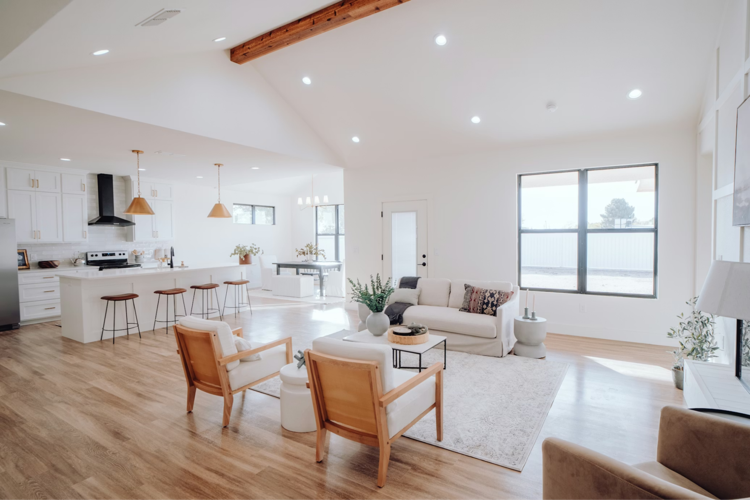
Your lifestyle is the starting point. Room count, bathroom placement, and whether living areas feel open or enclosed should all come from how your family genuinely spends time at home, not just what looks good in a brochure.
Budget and the Real Cost of Certain Design Choices
Some designs look incredible on paper but carry significant costs built in. Complex rooflines, oversized footprints, high ceilings, and premium materials all push the price up quickly. It is easy to fall in love with a design and then discover the build cost is well outside what you planned for.
Be upfront with yourself early. Ask your builder what drives costs up, and prioritise features that genuinely matter to your household over ones that simply photograph well.
Designing a Home That Can Grow With You
A well-considered floor plan has flexibility built in. That spare bedroom becomes a nursery, then a study, then a teenager's retreat over time. Designing with the future in mind does not mean predicting exactly how your life will look in twenty years. It just means avoiding choices that will box you in unnecessarily as things change.
How the Shape and Slope of Your Block Changes Everything

Why Most People Underestimate Their Land
Here is something that catches a lot of first-time builders off guard. They spend months researching house styles and almost no time thinking about the land the house will sit on. The size, shape, orientation, and slope of your block have a huge influence on what design will actually work.
A flat, square block gives you flexibility. But not every buyer lands one of those. Sloped, irregular, and narrow blocks all require a different kind of thinking, and the good news is that challenging land is not a problem. It is genuinely an opportunity.
Why a Sloping Block Can Work in Your Favour
Sloped land opens up architectural possibilities that a flat block simply cannot offer. You get elevated views, natural separation between living zones, better airflow through the home, and a design that works with the landscape rather than just sitting flat on top of it. If your block has a slope and you are not sure where to start, take the time to explore split level home designs to see how this style turns what can feel like a limitation into one of your home's most distinctive features.
Details That Are Easy to Overlook But Matter Every Day
Storage, Flow, and the Spaces In Between
Once you fall in love with a floor plan, walk through it mentally at different times of day. Where do the school bags land when the kids come home? Is there a transition space between the garage and the kitchen? Is the laundry in a sensible spot relative to the bedrooms?
Storage and flow are the unglamorous parts of home design, but they are the things you notice every single day once you are actually living in the space.
Light, Air, and How Your Home Sits on the Block
How your home is oriented affects natural light, comfort, and energy costs over time. North-facing living areas, thoughtfully placed windows, and good cross-ventilation are not just nice extras. They make a real difference to how your home feels and what it costs to run. This is much easier to get right at the design stage than to fix once the build is done.
Working With a Builder to Pull It All Together
Questions Worth Asking Before You Sign
Before committing to a design, have a proper conversation with your builder about what can and cannot be changed. Ask about council requirements, site costs specific to your block, how long customisations take, and what a realistic timeline looks like from contract to move-in day.
Custom Builds Versus Established Plans
A fully custom build gives you complete control but takes more time and usually costs more. If you want to understand what custom builds actually involve compared to other paths, it is worth reading up before you sit down with a builder. Selecting from an established range of plans can be quicker and more budget-friendly, with room to personalise the details. Neither is the better option across the board. The right choice depends on your priorities, your timeline, and how specific your family's needs actually are.
The best home design is not the one that looks most impressive in photos. It is the one that genuinely works for the way your family lives. Take your time with the research, be honest about your budget, pay attention to your land, and ask plenty of questions before signing anything. A home that has been properly thought through from the beginning is one you will feel good about every single day you live in it.
FAQs
What is the most important thing to think about when choosing a home design? Start with how your family actually lives day to day. Think about who shares spaces, how people move through the home in the morning and evening, and what the house needs to do five or ten years from now. Practical needs should always come before aesthetics.
Does a sloping block limit my design options? Not at all. Sloped blocks can produce more interesting design outcomes than a flat site. They lend themselves to multi-level layouts that create natural separation between zones, offer elevated views, and allow the home to work with the landscape rather than against it.
How early should I start researching home designs? As early as possible, and ideally before you purchase land. Understanding what different designs need in terms of site conditions, orientation, and space helps you choose a block that suits your goals rather than compromising your design to fit a block you already own.
Is it better to go custom or choose from an existing plan range? Both have genuine advantages. Established plans are faster and often more affordable, with room for personalisation. Custom builds offer full control but require more time and budget. Think about what matters most to your household and have an honest conversation with your builder about what each path realistically involves.

(0) comments
We welcome your comments
Log In
Post a comment as Guest
Keep it Clean. Please avoid obscene, vulgar, lewd, racist or sexually-oriented language.
PLEASE TURN OFF YOUR CAPS LOCK.
Don't Threaten. Threats of harming another person will not be tolerated.
Be Truthful. Don't knowingly lie about anyone or anything.
Be Nice. No racism, sexism or any sort of -ism that is degrading to another person.
Be Proactive. Use the 'Report' link on each comment to let us know of abusive posts.
Share with Us. We'd love to hear eyewitness accounts, the history behind an article.