

Most homes are designed with one type of person in mind. But real life is rarely that simple. You might have an elderly parent living with you, a partner recovering from an injury, or young children growing up faster than your layout can keep up with. The truth is, a home that only works for one lifestyle will eventually start working against everyone else. The good news is that getting this right does not require a full renovation. It starts with being more intentional, room by room, about how people actually use the spaces they live in.
What It Actually Means for a Home to Work for Everyone
Moving Past the Idea That Good Design Is Only Visual
A lot of home design conversation focuses on how things look. The colour palette, the furniture style, the way the light falls across a room. None of that is unimportant. But a home that truly works goes beyond appearance. It is about how a space feels to move through, how easy it is to use after a long day, and whether it quietly supports the people inside it without them having to think too hard about it.
Why Age and Mobility Should Shape Design Decisions Early
It is much easier to design for different ages and abilities during a renovation than it is to correct things afterwards. A bathroom that feels perfectly fine for a healthy adult can feel genuinely unsafe for someone older or less steady on their feet. Thinking about how your household will change over time is one of the most practical design decisions you can make early on, and it saves a lot of costly backtracking later.
Designing Bathrooms That Feel Safe and Look Beautiful

The Bathroom as One of the Most Overlooked Spaces in a Home
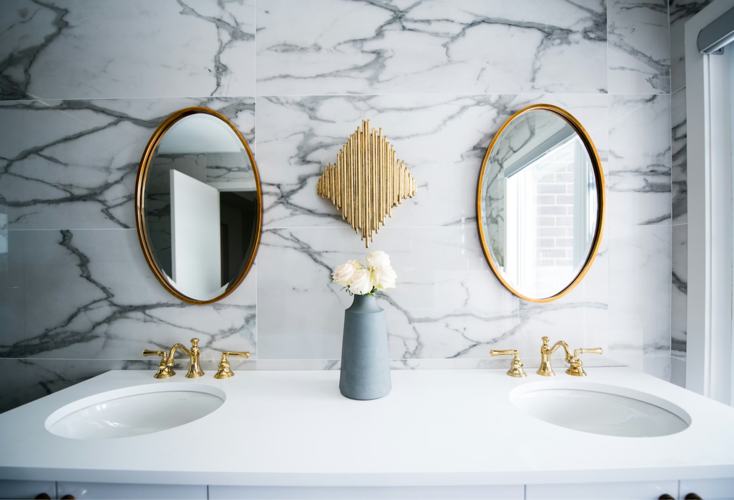
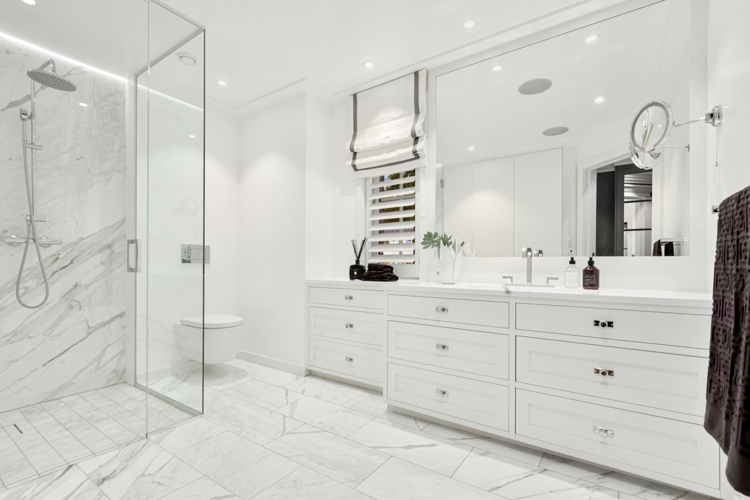
The bathroom does not always get the attention it deserves in conversations about home safety. Wet surfaces, limited floor space, and hard walls and flooring make it one of the most common places for household slips and falls. The goal is not to make your bathroom feel sterile or medical. It is to be more deliberate about the materials you choose and the products you bring into that space. If you are already thinking about upgrading the space more broadly, reading up on bathroom remodel tips can help you prioritise the changes that make the most practical difference.
Surface Choices That Are Both Practical and Good-Looking

One of the easiest changes you can make is rethinking what sits on your bathroom floor. Fabric mats stay damp for hours, shift underfoot, and wear out quickly. Stone-based mats absorb water almost instantly, sit flat, and genuinely look good in a well-designed bathroom. If you are considering a change here, take some time to browse stone shower mats online to get a sense of the different shapes, finishes, and sizes available before making a decision.
How the Layout and Flow of a Home Shapes Daily Life
Doorways, Corridors, and the Value of Clear Pathways
Think about the last time you moved something bulky through your home. A suitcase, a pushchair, a piece of flat-pack furniture. Narrow corridors and tight doorways become obstacles quickly. For people using walking aids or simply carrying both arms full of groceries, these small constraints add real friction to an ordinary day. Leaving generous clearance through main corridors and around doorways improves daily movement without changing how a home looks to anyone walking in.
Flooring Consistency and What It Means for Stability
Flooring choices affect more than aesthetics. Thick rugs in high-traffic areas create trip hazards. Sudden changes in floor height between rooms can catch people off guard, particularly older adults or anyone moving quickly. Choosing materials that are stable and consistent across the main living areas reduces risk without asking you to compromise on style. Low-pile rugs, level thresholds, and non-slip finishes all work together quietly in the background to make a home feel safer to move through every day.
It is also worth thinking about furniture that shifts or slides. Heavy pieces that move when someone leans on them for support can cause real problems. Non-slip pads under chairs, sofas, and side tables are a small and inexpensive detail that adds a meaningful layer of stability throughout the home.
Building a Living Room That Supports Real Rest and Recovery

Why Seating Deserves More Thought Than It Usually Gets
People spend a significant amount of time sitting at home, and yet seating is usually chosen based almost entirely on how it looks. What often gets less attention is whether a chair is genuinely comfortable for extended use, and whether getting in and out of it asks too much of the body. For anyone dealing with joint pain, reduced strength, or limited mobility, these are not small considerations. They shape how someone feels at the end of every single day.
What to Look for in Chairs That Actually Support the Body
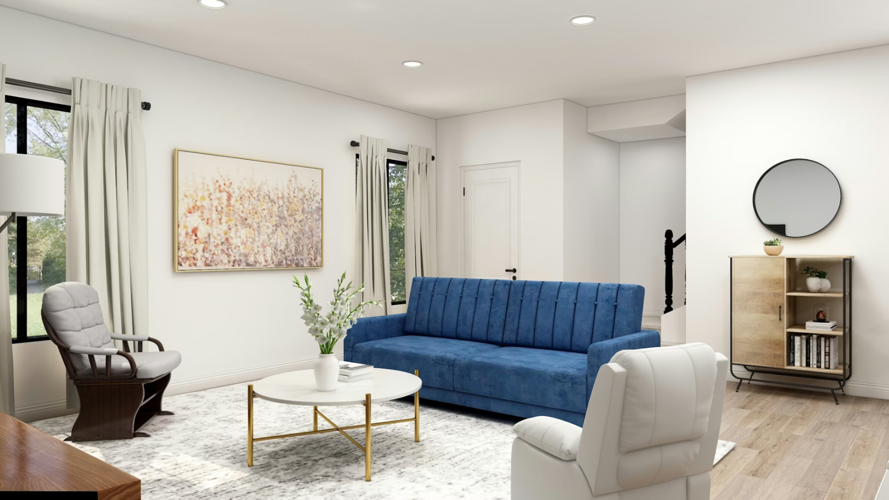
A genuinely supportive chair should hold the lower back properly, allow feet to rest flat on the floor, and make moving from sitting to standing manageable without straining the knees or hips. For older adults or those with limited mobility, recliner chairs for elderly users are often the most effective option because they are built around exactly these physical needs. They allow the user to adjust their position throughout the day and reduce the effort involved in standing up, which adds up to a lot of comfort over time.
Small Details That Make the Whole Home More Liveable
Lighting That Works for Everyone
Good lighting rarely gets the credit it deserves. A well-lit hallway at night, natural light in main living areas, and task lighting in the kitchen and bathroom all reduce strain and make a home feel more comfortable to spend time in. For older adults in particular, consistent and adequate lighting reduces the risk of misjudging steps or surfaces, which is one of the most frequent causes of falls at home.
Storage and Organisation That Reduce Daily Physical Effort
Reachable shelving, kitchen items stored near where they are used, and clear pathways through living areas all reduce the physical effort involved in getting through an ordinary day. None of this requires building work. It is mostly about being honest with yourself about whether your current layout is actually serving the people using it.
A home that works for everyone is not about making concessions. It is about making thoughtful choices. The details that make a home safer for an older resident often make it more comfortable for everyone else too. Better flooring, smarter seating, considered lighting, and practical bathroom choices are not compromises. They are good design. The homes that hold up over time are the ones planned with real people and real lives in mind.
FAQs
What is the best room to start with when making a home more accessible? The bathroom is usually the most important starting point. It carries the highest risk for slips and falls, and relatively small product choices can make a significant difference to safety and comfort.
Will safety-focused design changes affect how my home looks? Less than most people expect. Many modern products designed with safety in mind also look genuinely good. Stone bath mats, ergonomic chairs, and well-placed lighting all contribute to a home that feels considered, not clinical.
How do I know if my home layout is creating problems for movement? Walk through your home carrying something in both hands. If you find yourself squeezing through doorways or navigating around furniture, those are the spots worth addressing first.
Do I need to spend a lot to make meaningful improvements? Not at all. Many of the most effective changes are product-level decisions like updating bath mats, investing in better seating, or improving lighting that do not require any structural work at all.

(0) comments
We welcome your comments
Log In
Post a comment as Guest
Keep it Clean. Please avoid obscene, vulgar, lewd, racist or sexually-oriented language.
PLEASE TURN OFF YOUR CAPS LOCK.
Don't Threaten. Threats of harming another person will not be tolerated.
Be Truthful. Don't knowingly lie about anyone or anything.
Be Nice. No racism, sexism or any sort of -ism that is degrading to another person.
Be Proactive. Use the 'Report' link on each comment to let us know of abusive posts.
Share with Us. We'd love to hear eyewitness accounts, the history behind an article.