
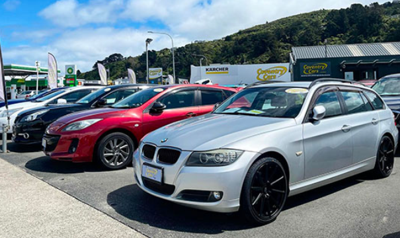

Used vehicles remain a sensible option for many Wellington households in 2025, particularly as fuel prices, loan rates, and daily expenses tighten budgets. New models still carry a high entry cost, while local used stock has become more varied and better documented. Real value depends on condition, mileage, safety equipment, ownership history, and expected repair costs. With disciplined checks, a pre-owned car can meet daily needs without straining our finances.
Local Price Signals
Recent listings, dealer stock, auction results, and written valuations give buyers a useful baseline before any test drive or finance discussion. In that comparison, second-hand cars in Wellington often show price gaps linked to age, trim, mileage, import status, and documented servicing. A calm buyer can use those differences to spot fair value, question vague records, and avoid paying extra for cosmetic polish.
Why Demand Stays Strong
Demand remains steady because many drivers need reliable transport at a lower entry price. A three- to seven-year-old vehicle may cost far less than a new model, while still offering modern safety systems. Compact hatchbacks, hybrid wagons, and small sport utility vehicles remain common choices. Each suits city parking, steep streets, school travel, and regional weekend use.
Depreciation Works Differently
New cars usually lose value fastest during early ownership. A used vehicle has often passed that sharp decline, which can protect resale strength. This matters for people likely to change cars within a few years. Better outcomes usually come from mainstream brands, readily available parts, tidy cabins, and service records confirming regular oil changes, brake work, and scheduled inspections.
Running Costs Matter
The purchase price is only one part of affordability. Fuel use, tyres, insurance, registration, servicing, and repairs shape the real annual cost. Hybrid models can reduce petrol bills on urban routes with frequent braking. Diesel vehicles may be better suited to longer trips, but road user charges must be accounted for. A written yearly estimate helps buyers compare models with clearer judgment.
Wellington Conditions Count
Local driving can place extra strain on brakes, suspension, tyres, and batteries. Steep streets, short trips, tight parking, coastal air, and damp weather all leave marks over time. A shiny exterior may hide corrosion or worn components underneath. Checks should include underbody condition, brake response, tyre age, cabin moisture, battery strength, and any sign of water entry.
Safety Is Non-Negotiable
A low price should never outweigh occupant protection. Buyers should look for stability control, side curtain airbags, reversing cameras, and strong crash test results. Family vehicles also need secure child seat anchors and clear rear visibility. By 2025, many affordable used models will include these features, so safety no longer needs to sit outside a modest budget.
Imports Versus New Cars in New Zealand
Imported vehicles can offer high levels of equipment and competitive prices. New Zealand's new cars may bring clearer service history, familiar specifications, and easier recall checks. Neither category wins by default. Evidence should guide the decision. Buyers should review odometer records, ownership documents, recall status, spare keys, and maintenance invoices before agreeing to purchase.
Finance Can Change Value
Monthly repayments can make a vehicle appear affordable, yet the total payable amount needs close review. Interest rate, loan term, deposit size, establishment fees, and insurance add-ons all affect cost. A cheaper car with poor lending terms may become expensive. Buyers should compare repayment schedules and set aside a reserve for servicing, tyres, registration, and unexpected repairs.
Inspection Checklist
A careful inspection can prevent expensive surprises. Start the engine cold, then watch for warning lights, smoke, rough idle, and delayed gear changes. Steering should feel straight, brakes should respond evenly, and suspension should stay quiet over bumps. Check panel gaps, paint shade, tyre wear, interior damage, lights, locks, windows, and screens. An independent mechanic adds useful protection.
Best Value Segments
Small hatchbacks often suit commuters, students, and households needing easy parking. Hybrid wagons can help families lower fuel use without losing boot space. Compact sport utility vehicles provide extra ride height and flexible seating, while keeping running costs manageable. Older premium models may look attractive, but parts and labour can be costly. Practical, common models usually deliver stronger ownership value.
Red Flags To Avoid
Some signs should make buyers pause. Missing service records, uneven tyre wear, damp carpet, fresh paint on one panel, or pressure from a seller can indicate risk. Odometer gaps need clear evidence. A buyer should walk away if the paperwork is unclear, inspection access is denied, or payment is demanded before proper checks are completed.
Used vehicles in Wellington can be worth buying in 2025 when evidence guides the decision. Strong value comes from clean records, sound mechanical condition, sensible mileage, good safety ratings, and realistic running costs. Local roads and weather make inspection especially important. Buyers who compare similar models, verify documents, and budget beyond the sale price can secure dependable transport while keeping long-term spending under control.


(0) comments
We welcome your comments
Log In
Post a comment as Guest
Keep it Clean. Please avoid obscene, vulgar, lewd, racist or sexually-oriented language.
PLEASE TURN OFF YOUR CAPS LOCK.
Don't Threaten. Threats of harming another person will not be tolerated.
Be Truthful. Don't knowingly lie about anyone or anything.
Be Nice. No racism, sexism or any sort of -ism that is degrading to another person.
Be Proactive. Use the 'Report' link on each comment to let us know of abusive posts.
Share with Us. We'd love to hear eyewitness accounts, the history behind an article.