

Buying 55-gallon drums sounds simple until you’re the one responsible for what happens if a seal fails, a label is wrong, or the container shows up with the wrong rating. Get it right, and nobody thinks about it again. That’s why it helps to know the common drum types, what they’re built to carry, and the few details buyers should always confirm before placing an order.
The Main Types of 55-gallon Drums
Drums come in several core styles, each built for a specific kind of job.
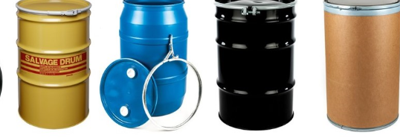
Steel open-head drums have removable lids secured with a locking ring. They’re common for solids, powders, and materials that need frequent access.
Steel tight-head drums feature sealed tops with threaded bungs. These usually carry liquids such as oils, solvents, and chemicals that could cause spills.
Plastic drums handle corrosive materials well and are lighter to move. They’re often used for water-based products, food ingredients, and cleaning compounds.
Fiber drums, made from heavy paperboard with reinforced liners, work for dry goods and lower-risk materials where weight savings matter.
Choosing the right type depends less on tradition and more on what the product actually demands.
Where These Drums Get Used
You’ll find drums across dozens of industries, sometimes doing very different jobs in the same week.
Chemical processors rely on them for transport and storage. Food manufacturers use food-grade versions for syrups, flavorings, and bulk ingredients. Automotive shops move lubricants and coolants this way. Pharmaceutical facilities depend on sealed drums to protect sensitive compounds. Waste handling and recycling operations also lean on drums for containment and controlled disposal.
Regulations and Safety Ratings
Many drums carry United Nations ratings that define what materials they can legally hold and transport. Those codes tie to drop testing, stacking strength, leak resistance, and pressure limits.
Hazardous materials bring extra layers of oversight. Closures must match the rating. Gaskets matter more than most people expect. Labels and placards are legal requirements.
Food-grade drums come with their own rules, including approved resins for plastic and coatings inside steel drums that prevent contamination. Skipping these details can shut down a shipment or create cleanup work nobody budgeted for.
New vs Reconditioned Drums
Budget conversations usually turn toward used inventory pretty quickly. Reconditioned drums undergo cleaning, testing, and inspection before resale, making them attractive for non-food products and internal operations.
Cost savings can be significant, but buyers still need to confirm what the drum previously held, how it was cleaned, and which tests were performed. A drum that once carried solvent should never later hold food ingredients.
Many companies run mixed fleets, buying new for regulated applications and reconditioned for lower-risk uses. That approach stretches dollars without flirting with compliance trouble.
Storage and Handling Basics
Drums look tough, but poor handling shortens their life fast. They should sit on stable surfaces or pallets designed for drum loads, not on uneven concrete where rims take a beating.
Secondary containment systems help catch leaks before they spread. Temperature swings deserve attention too, since heat can build internal pressure while freezing can make some materials brittle.
Stacking limits vary by drum type and rating, so it’s smart to follow manufacturer guidance instead of guessing. Clear labels and visible hazard markings keep crews informed and reduce the odds of someone grabbing the wrong drum for the wrong job.
Sustainability and Reuse
Reuse has become a major part of the drum market. Steel and plastic drums often cycle through multiple lives, moving from chemical service to industrial cleaning fluids to waste transport before finally being recycled.
That circular path cuts landfill use and lowers demand for new raw materials. It’s one reason many operations look closely at 55-gal drums in secondary markets once they understand the inspection and reconditioning steps involved.
Buying Drums Without Regret
Choosing the right drum comes down to material, rating, prior use, and how the container will be handled day after day.
When buyers reach the point of comparing suppliers and sorting through new and reconditioned options, companies such as Container Exchanger often help narrow the field and locate drums that fit operational needs without overcomplicating the process.
Post a comment as Guest
Report
Watch this discussion.
(0) comments
We welcome your comments
Log In
Post a comment as Guest
Keep it Clean. Please avoid obscene, vulgar, lewd, racist or sexually-oriented language.
PLEASE TURN OFF YOUR CAPS LOCK.
Don't Threaten. Threats of harming another person will not be tolerated.
Be Truthful. Don't knowingly lie about anyone or anything.
Be Nice. No racism, sexism or any sort of -ism that is degrading to another person.
Be Proactive. Use the 'Report' link on each comment to let us know of abusive posts.
Share with Us. We'd love to hear eyewitness accounts, the history behind an article.