

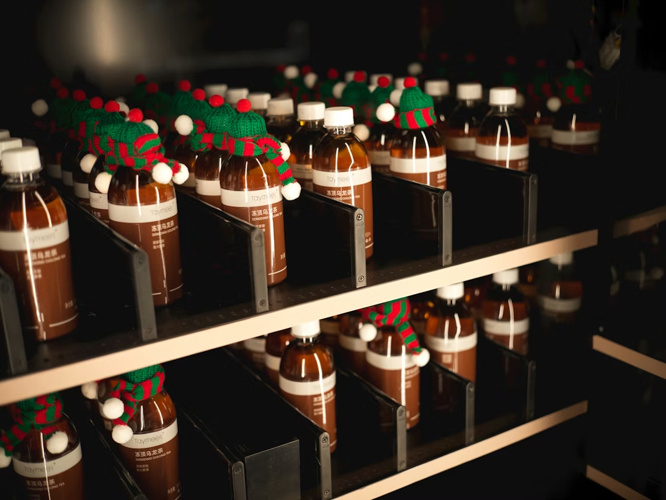

Liquid products sell best when storage, filling, and dispensing stay simple. The right setup protects flavor, scent, and active ingredients, and it keeps spills from becoming a daily chore. Storage choices can shape which sales channels are realistic, from direct-to-consumer shipping to foodservice refill programs.
Map the product, the pack, and the sales path
Liquid storage starts with a few facts that do not change: viscosity, sensitivity to oxygen or light, and the need for clean dispensing. A thin syrup and a thick gel may share the same ingredients list, but they behave very differently in a line and in a valve.
The temperature range belongs on the map, too. Some liquids separate, crystallize, or thicken after cold storage, which can raise waste and returns.
Sales paths matter just as much. A warehouse picking case pack has different needs than a tasting room pouring by the glass. Once the path is clear, storage can match the pace of turns, the number of handoffs, and the risk points for leaks.
Match the pack shape to how customers buy
Customers decide with their eyes and their hands, so the pack has to fit the way the product gets used. For a pantry staple, a short, stable footprint can beat a tall bottle that tips in a busy kitchen.
Back-room space often runs out before sales slow down. In that squeeze, many teams move to a bag in box format so cases stack cleanly and the primary pack stays shielded inside a corrugated shell. The extra layer can cut dents and label scuffs, and it makes damage easier to spot during receiving.
Pack shape can influence picking speed and shipping waste. Slim bottles might look neat on the shelf, but they can demand more dividers and padding in transit.
Choose materials that slow oxidation and flavor pickup
A liquid can taste, smell, or perform differently after contact with air, heat, or the wrong polymer. Barrier films and liners reduce oxygen transfer, and they cut aroma loss in products like coffee concentrates and juices.
Packaging Tech Today highlighted a practical impact of reuse: one reusable packaging item can reduce solid waste sent to landfills by up to 86%. Reuse tends to work best when containers are durable, easy to sanitize, and paired with a controlled filling routine.
Dispensing parts deserve the same attention as the main container. A small gasket failure can turn a clean storage plan into a sticky floor and a rejected shipment.
Plan for back-of-house bulk storage and quick refills
Bulk formats can reduce handling, but they demand clean connections and safe movement. Intermediate containers, drums, and tote systems shine in kitchens, bars, and production back rooms that refill smaller packs throughout the day.
A FoodTechBiz piece on liquid food packaging noted that rigid containers are heavy, take up more storage volume, and can require significant handling labor. Bulk storage can still use rigid shells, but many operators pair them with internal liners or collapsible options to reduce empty-space waste after the product is drawn down.
Bulk storage works best with a refill rhythm. Many teams keep a small staging area for clean connectors, spare caps, and measured funnels.
Set up the storage area to prevent loss and mess
Storage is not only a container choice. Floors, shelving, and workflows shape how often a team deals with leaks, mix-ups, and expired stock.
Key practices that support cleaner liquid storage:
Store liquids at a stable temperature range that matches the label and the ingredients.
Label each lot with fill date, batch code, and first-open date for opened packs.
Use drip trays under taps, valves, and quick-connect points.
Keep caps, spouts, and gaskets in a dedicated clean bin, not on a counter.
Rotate stock by date, and separate allergens or strong aromas into their own zone.
Training supports storage, too. A short checklist posted at the refill station can keep the basics consistent across shifts.
Build dispensing that fits real-world use
Dispensing is where storage meets the customer, so the last meter of the system matters. For retail, the goal is clean pours and predictable servings. For foodservice, the goal is speed with minimal touchpoints.
Valve choice should match viscosity and serving style. Thin liquids can splash from wide spouts, which drives product loss and cleanup. Thick liquids can clog narrow valves, which tempts staff to cut corners and pry parts open.
Labeling around dispensing helps, too. Clear “open by” guidance and a simple wipe-down routine can keep taps from becoming a weak link. If a pack will sit connected for weeks, plan for a spare valve and a fast swap process.
Keep safety and compliance in the plan
Liquids often fall under stricter rules than dry goods, since they can support microbial growth or carry allergens. Storage needs to reflect cleaning schedules, water quality, and the reality of busy shifts.
A practical approach is to separate tasks into daily, weekly, and batch-change steps. That keeps cleaning from piling up and reduces the chance of skipping a critical point.
A simple compliance checklist can cover the basics. It works best when staff can finish it fast during a shift change.
Document lot codes at receiving and at fill, so a recall stays targeted
Store cleaning chemicals away from product and packaging components
Use color-coded tools for allergens, such as dedicated brushes for nut-based mixes
Record sanitizer concentration checks when a standard requires it
Keep a spare set of seals and gaskets, since worn parts can trap residue
Track demand and scale storage without overbuying
Demand for liquid products can swing with seasons, promotions, and new channels. Storage plans that scale well tend to use modular pallets, mixed-case picking zones, and clear rules on how many days of supply stay on hand.
Future Market Insights projected the boxed-bag packaging market could grow from $4.8B in 2025 to $11.3B by 2035. Growth forecasts do not pick a winner for every product, but they point to a broader push for formats that ship well and reduce wasted headspace.
Scaling storage often means adding clarity, not just adding space. A simple max-min level for each SKU can prevent surprise stockouts and slow-moving overstock.
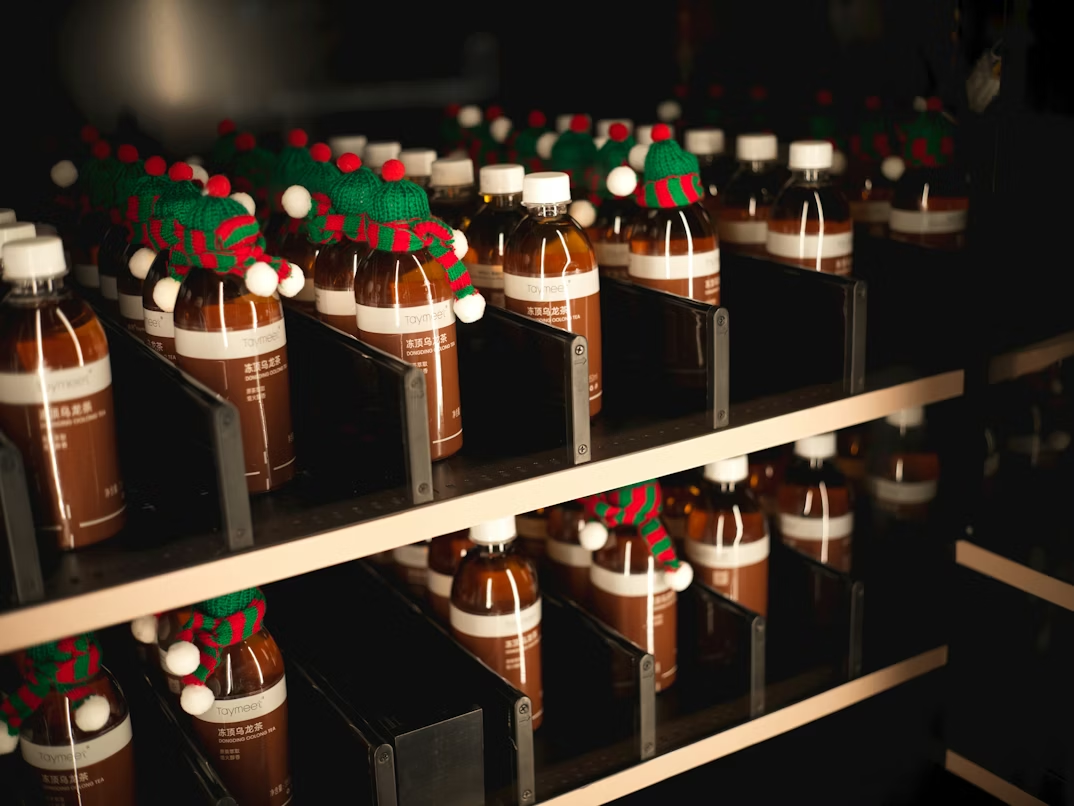
Liquid storage is a system, not a single container. The best setups match the product’s sensitivities, the way it gets sold, and the pace of refills or picks. With a clear plan, sellers can keep operations tidy and protect product quality from the first fill to the last pour.


(0) comments
We welcome your comments
Log In
Post a comment as Guest
Keep it Clean. Please avoid obscene, vulgar, lewd, racist or sexually-oriented language.
PLEASE TURN OFF YOUR CAPS LOCK.
Don't Threaten. Threats of harming another person will not be tolerated.
Be Truthful. Don't knowingly lie about anyone or anything.
Be Nice. No racism, sexism or any sort of -ism that is degrading to another person.
Be Proactive. Use the 'Report' link on each comment to let us know of abusive posts.
Share with Us. We'd love to hear eyewitness accounts, the history behind an article.