

I’ve stopped believing in the idea of a single “best” electric car. After spending far too much time researching EVs, talking to owners, and watching how different markets evolve, one thing has become very clear to me: electric cars are regional by nature.
Infrastructure, distance, climate, road conditions, and even culture all shape what works and what doesn’t. The EV that feels perfect in Los Angeles might be a headache in rural Australia. What thrives in Europe’s dense cities would feel undersized on American highways. And China is playing an entirely different game altogether.
So instead of pretending there’s one winner, this is how I’d choose the best electric car by region based on how people actually live, drive, and charge.
🇺🇸 United States — Long Distances, Mixed Infrastructure, Real Life Driving
In the U.S., I care about range, interior space, highway comfort, and charging reliability. Americans drive more miles, take longer trips, and don’t always have dense public charging outside major metros.
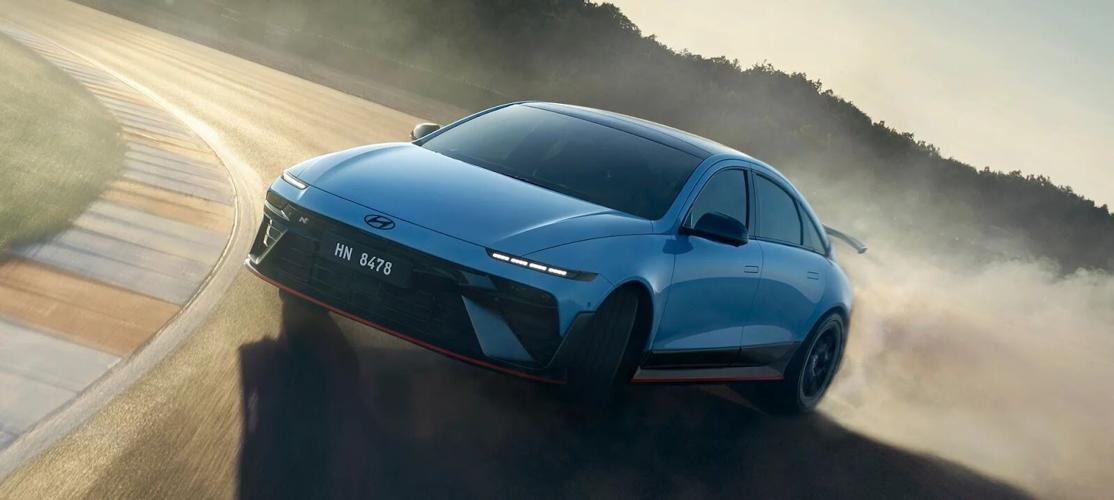
Best Overall Pick: Hyundai IONIQ 5

If I were buying an EV in the U.S. today, the IONIQ 5 would be my starting point. It’s one of the rare EVs that feels genuinely well-rounded.
It has the range for long commutes, fast charging that actually matters on road trips, and an interior that feels open and calm rather than cramped or tech-obsessed. It’s comfortable enough for long highway drives and practical enough for everyday errands.
Most importantly, it doesn’t feel like an experiment. It feels finished.
Strong Alternatives
Tesla Model Y — Still hard to beat for charging access and road trips
Ford Mustang Mach-E — A good balance of performance and usability
Chevrolet Bolt EUV — Excellent value for city-first drivers
🇪🇺 European Union — Compact Cities, Dense Charging, Refined Driving
Europe changes the equation completely. Streets are narrower, parking is tighter, and public charging is far more accessible. Here, I prioritize efficiency, maneuverability, and comfort at speed, especially for autobahn or motorway driving.
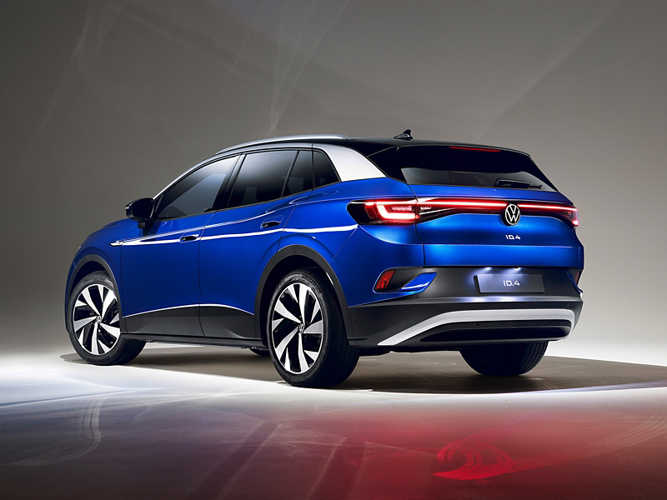
Best Overall Pick: Volkswagen ID.4

The ID.4 feels tailor-made for Europe. It’s compact enough for cities, stable at highway speeds, and refined in a way that suits European driving sensibilities.
It doesn’t try to overwhelm with tech or aggressive styling. It just works—quietly, confidently, and comfortably.
Strong Alternatives
Peugeot e-208 — Ideal for dense urban environments
Fisker Ocean — Stylish, sustainability-forward, and practical
Renault Megane E-Tech — Smart size with strong efficiency
🇨🇳 China — EV Innovation at Scale
China isn’t just adopting EVs—it’s defining the future of them. Charging density, competitive pricing, and tech integration are miles ahead. In this market, I look for value, innovation, and real-world performance.
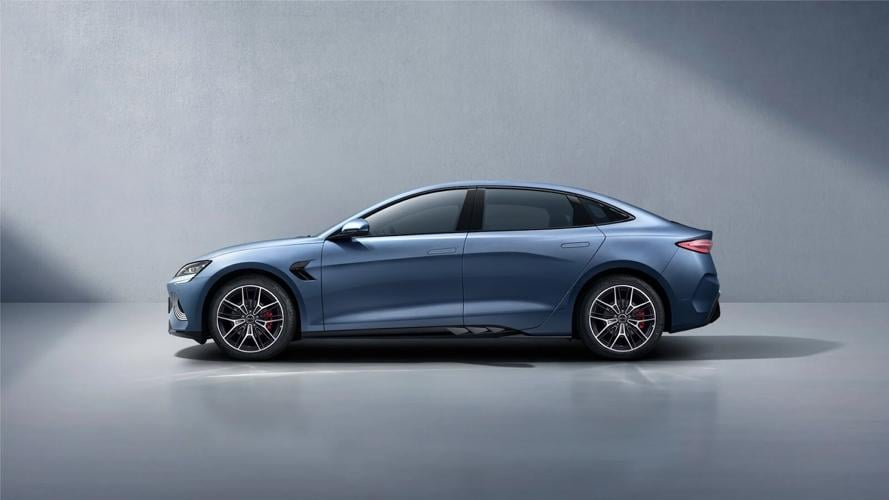
Best Overall Pick: BYD Seal

If I lived in China, BYD would be impossible to ignore. The Seal stands out as a genuinely impressive EV with strong range, sharp design, and competitive pricing.
It’s proof that EV leadership no longer belongs exclusively to Western brands.
Strong Alternatives
NIO ET7 — Luxury-forward with advanced tech
XPeng P7 — Driver-focused with excellent smart features
BYD Atto 3 — Practical, affordable, and widely adopted
🇦🇺 Australia — Distance, Heat, and Highway Reality
Australia demands EVs that can handle long distances, high temperatures, and limited charging outside urban centers. Efficiency and reliability matter more than novelty.
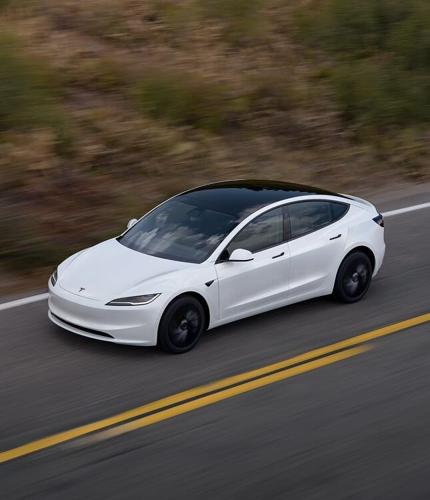
Best Overall Pick: Tesla Model 3

I don’t default to Tesla often, but Australia is one of the regions where it still makes the most sense. The Model 3’s efficiency, combined with Tesla’s charging footprint, makes it one of the least stressful EVs to own there.
It’s not flashy—it’s functional. And that matters when distances stretch for hours.
Strong Alternatives
Hyundai Kona Electric — Reliable and efficient
BYD Atto 3 — Growing rapidly in urban markets
MG ZS EV — Value-driven option gaining traction
🇧🇷 South America — Accessibility, Affordability, and Urban Reality
In much of South America, EV adoption is still emerging. Charging infrastructure varies widely, so simplicity, affordability, and urban usability become the priority.
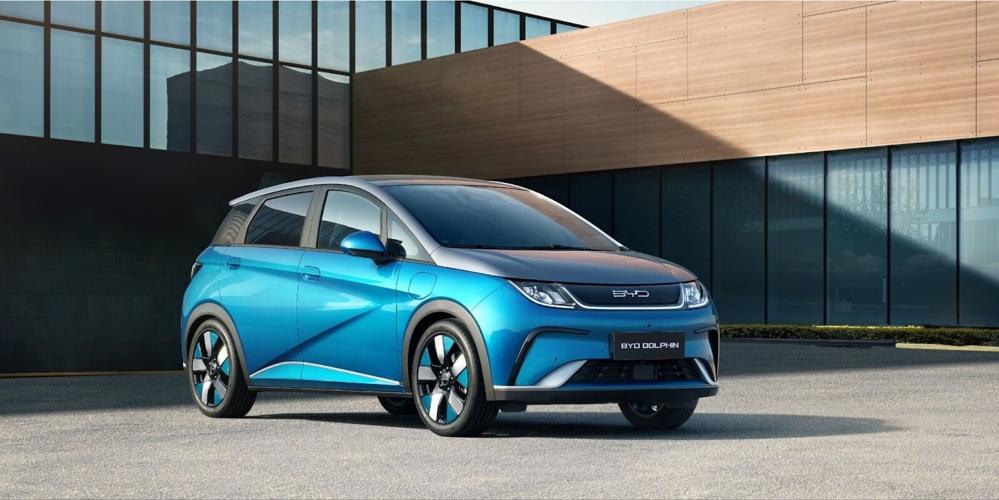
Best Overall Pick: BYD Dolphin

The Dolphin is exactly the kind of EV that makes sense here. It’s compact, affordable, efficient, and designed for city and suburban life.
It lowers the barrier to entry without feeling like a compromise—and that’s how adoption actually grows.
Strong Alternatives
Renault Zoe (where available) — Proven urban EV
Volkswagen ID.3 — Compact and efficient
Chery eQ1 — Budget-focused city option
What I’ve Learned Choosing EVs Across Regions
No matter where I’m looking, a few truths always hold:
Real-world range matters more than spec sheets
Charging access can outweigh battery size
Comfort beats performance for daily use
The best EV is the one that fits how you actually live
Electric cars aren’t about making a statement anymore. They’re about reducing friction in daily life. When an EV aligns with the region, infrastructure, and lifestyle, it stops feeling like a choice you have to justify—and starts feeling obvious.
If I’ve learned anything, it’s this:
The best electric car isn’t global. It’s contextual.
When you choose an EV that fits where you live—your roads, your climate, your charging reality—it doesn’t feel like the future. It just feels right.
And that’s when electric driving really works.


(0) comments
We welcome your comments
Log In
Post a comment as Guest
Keep it Clean. Please avoid obscene, vulgar, lewd, racist or sexually-oriented language.
PLEASE TURN OFF YOUR CAPS LOCK.
Don't Threaten. Threats of harming another person will not be tolerated.
Be Truthful. Don't knowingly lie about anyone or anything.
Be Nice. No racism, sexism or any sort of -ism that is degrading to another person.
Be Proactive. Use the 'Report' link on each comment to let us know of abusive posts.
Share with Us. We'd love to hear eyewitness accounts, the history behind an article.