
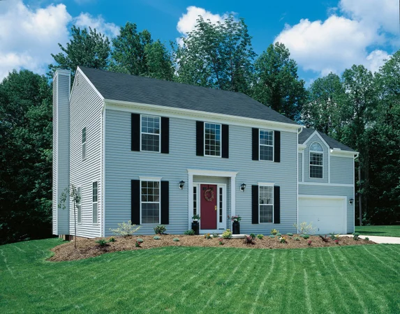

Philadelphia homeowners know the challenge of keeping homes comfortable through humid summers and cold winters.
When energy bills climb, many focus on HVAC systems or windows, yet siding replacement often delivers overlooked efficiency gains. Aging or damaged siding allows air leaks and moisture intrusion that strain your heating and cooling system.
Upgrading your siding improves insulation, tightens the exterior, and enhances comfort. This guide explains how new siding boosts energy efficiency and what to consider when choosing it for Philadelphia homes.
How Can New Siding Improve Energy Efficiency in Philadelphia Homes?
New siding improves energy efficiency by reducing air leaks, adding insulation, and protecting wall systems from moisture. These upgrades help maintain indoor temperatures, reduce HVAC workload, and lower energy costs over time.
Key Takeaways
New siding strengthens your home’s thermal envelope and reduces energy loss year-round.
Insulated and properly installed siding can lower heating and cooling costs in Philadelphia homes.
Vinyl siding performs well in the region’s hot summers and cold winters with minimal upkeep.
Professional installation matters as much as the material for real efficiency gains.
Siding replacement adds comfort, value, and long-term durability beyond energy savings.
How Siding Affects a Home’s Energy Efficiency
Siding does more than define curb appeal. It plays a critical role in your home’s building envelope, the barrier between indoor comfort and outdoor conditions. When siding performs well, it slows heat transfer, blocks drafts, and keeps insulation dry and effective.
Older Philadelphia homes often have original siding or multiple layers of siding added over the decades. Gaps, warping, and outdated materials allow air infiltration and thermal bridging. Heat escapes in winter and enters in summer, forcing systems to work harder. Addressing siding issues tightens the envelope and improves overall efficiency.
Walk your home’s exterior and note cracks, loose panels, or soft spots that signal energy loss.
Signs Your Home’s Siding Is Hurting Energy Performance
Energy problems linked to siding are easy to miss because they show up indoors. Temperature swings, drafts near exterior walls, or unexplained bill increases often point back to the siding.
Common warning signs include:
Cold walls in winter or hot walls in summer
Drafts near outlets or baseboards on exterior walls
Rising heating or cooling costs without usage changes
Cracked, warped, rotting, or loose siding panels
If these issues persist, repairs may not solve the root problem. Full replacement often restores performance by addressing insulation, air sealing, and moisture control together.
How New Siding Improves Energy Efficiency
New siding upgrades work best as a system. Materials, insulation, and installation quality combine to deliver measurable improvements.
Improved Insulation and Thermal Resistance
Modern siding options often include an insulated backing that increases the wall R-value. This added layer reduces heat flow through studs and sheathing, helping indoor temperatures remain stable.
Reduced Air Infiltration
Precise installation creates tighter seams and seals penetrations. Fewer gaps mean fewer drafts and less conditioned air escaping, which lowers HVAC demand.
Moisture Control and Heat Retention
Moisture degrades insulation performance. New siding systems manage water with proper flashing and drainage, keeping insulation dry and effective.
Vinyl Siding and Energy Efficiency: What Homeowners Should Know
Vinyl siding remains a popular choice across Philadelphia because it balances performance, durability, and value. Modern vinyl options are far removed from early generations.
Energy-efficient features include:
Insulated panels that reduce thermal bridging
Interlocking seams that limit air leakage
Resistance to moisture, rot, and pests
Comparison overview: Older wood or aluminum siding often requires frequent maintenance and allows air gaps. Modern vinyl siding offers consistent insulation support with minimal upkeep.
Vinyl siding works well for many home styles, from rowhomes to detached properties, especially when paired with professional installation.
Ask about insulated vinyl options suited to your home’s age and layout.
The Role of Professional Siding Installation
High-quality materials cannot compensate for poor installation. Energy efficiency depends on correct alignment, sealing, and integration with existing wall systems.
Common installation mistakes include gaps around windows, improper flashing, and misaligned insulation. These errors undermine efficiency and invite moisture problems.
Local experience matters. Contractors familiar with Philadelphia housing styles understand common challenges like masonry transitions and tight lot lines.
Working with experienced providers such as Window World of Philadelphia helps ensure details are handled correctly.
Verify installer credentials and ask how energy performance is addressed during installation.
Energy Savings, ROI, and Long-Term Value
While savings vary by home, many homeowners notice reduced energy usage after siding replacement. The biggest gains come from improved comfort and consistent temperatures, which reduce system cycling.
Beyond energy bills, siding replacement adds value through:
Improved resale appeal
Lower maintenance costs
Enhanced durability and weather resistance
These benefits combine to deliver a strong long-term return without overpromising short-term payback.
Consider energy efficiency as part of the overall home performance and value.
Choosing the Right Siding for Philadelphia Homes
Selecting the right siding involves balancing performance, durability, and budget. Climate, home age, and construction style all influence the best choice.
Key factors to evaluate:
Insulation needs and wall condition
Material durability in seasonal extremes
Warranty coverage and lifespan
Compliance with local building codes
Local guidance simplifies decisions and avoids costly missteps. For homeowners exploring options, learning more about Siding Replacement in Philadelphia can clarify material choices and installation expectations early in the process.
Align siding selection with long-term efficiency goals, not just upfront cost.
Frequently Asked Questions
1. Does new siding really lower energy bills?
Yes, by reducing air leaks and improving insulation, new siding can lower heating and cooling costs over time.
2. What type of siding is most energy efficient?
Insulated vinyl siding is among the most efficient options for Philadelphia’s climate when installed correctly.
3. Is insulated siding worth the cost?
For many homes, insulated siding improves comfort and efficiency enough to justify the investment.
4. How long does siding replacement take?
Most projects take several days, depending on home size and complexity.
5. Can siding replacement improve comfort year-round?
Yes, homeowners often notice fewer drafts and more consistent indoor temperatures.
6. Is siding replacement a good investment in Philadelphia?
It often is, especially for older homes with outdated or damaged siding.
New siding offers more than a fresh exterior. For Philadelphia homeowners, it strengthens the home’s energy envelope, improves comfort, and supports long-term value.
By addressing insulation, air sealing, and moisture control together, siding replacement delivers benefits that extend well beyond appearance. If rising energy bills or uneven temperatures are concerns, exploring modern siding options is a smart next step.
Take time to assess your home’s needs and work with experienced professionals to make an upgrade that pays off for years to come.
(0) comments
We welcome your comments
Log In
Post a comment as Guest
Keep it Clean. Please avoid obscene, vulgar, lewd, racist or sexually-oriented language.
PLEASE TURN OFF YOUR CAPS LOCK.
Don't Threaten. Threats of harming another person will not be tolerated.
Be Truthful. Don't knowingly lie about anyone or anything.
Be Nice. No racism, sexism or any sort of -ism that is degrading to another person.
Be Proactive. Use the 'Report' link on each comment to let us know of abusive posts.
Share with Us. We'd love to hear eyewitness accounts, the history behind an article.