
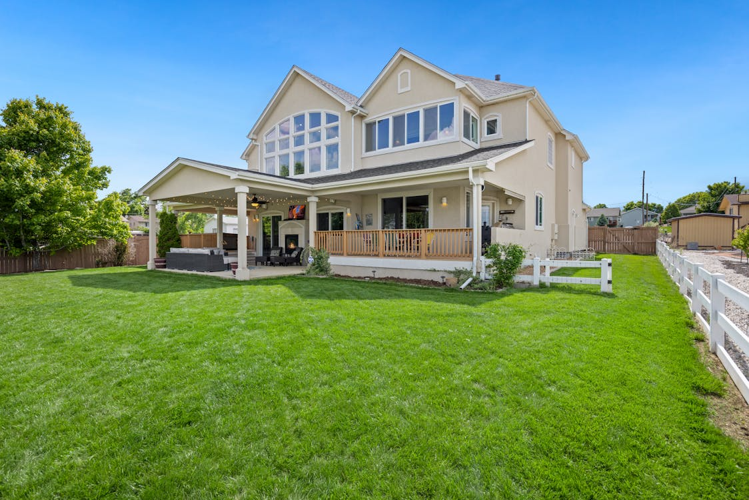
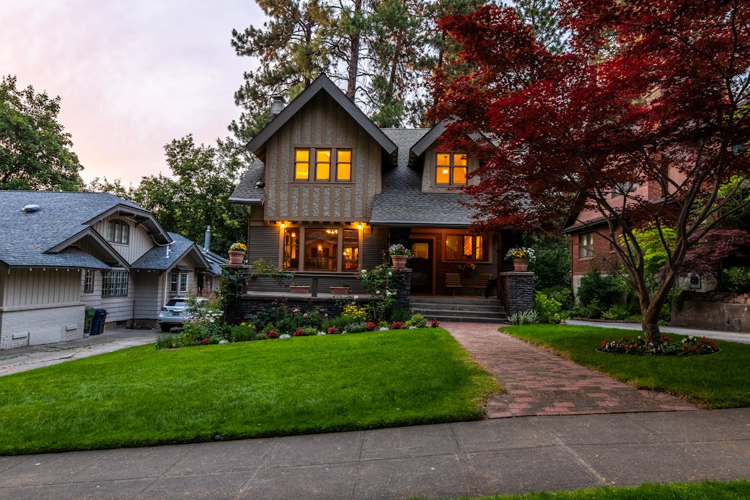
Planning exterior upgrades often starts with a clear goal: make the home look better and perform better. Homeowners weigh curb appeal, durability, weather risks, and local rules to ensure projects deliver value without hassle. The sweet spot is finding upgrades that do more than one job at a time.
In practice, that means balancing design choices with safety features and code requirements. Budgets stretch further when materials last longer, resist local hazards, and pass inspections the first time. A bit of homework up front sets the stage for smart sequencing and fewer surprises.
Safety And Resilience Come First
Many homeowners begin by assessing risks from wind, rain, and wildfire, then match materials to those hazards. In higher risk regions, exterior choices are about more than style because specific assemblies can slow embers, shed water, and protect openings. Resilient upgrades often pay off in lower maintenance and longer service life.
In California, state guidance highlights home hardening features that reduce ignition risks around the roof, vents, and eaves. A statewide resource explains that roof coverings and assemblies should meet a top fire rating, and that ember entry points deserve special attention through screened vents and defensible zones. This kind of checklist helps homeowners decide which components deserve priority based on local conditions, as summarized by CAL FIRE’s home hardening guidance.
When safety drives the plan, materials and details are chosen for performance under stress. That mindset helps homeowners avoid short-term fixes that need early replacement. It makes permitting and inspections smoother because code-aligned assemblies are built into the scope from the start.
Understanding Local Permits And Inspections
Before any demo or delivery, successful projects begin with permit research. Most exterior work that affects the structure, weather barrier, or life safety triggers approvals and inspections. Skipping that step risks stop-work orders, delays, and rework that can quickly erase budget room.
For Sonoma County projects, the county’s building division makes the rule simple to remember: most construction activities, from new builds to alterations and repairs, require a building permit. That clarity helps homeowners map the timeline, plan for review windows, and coordinate with contractors who know the local process, according to the county’s permitting guidance.
A permit plan determines which inspections will occur and when. Lining up those milestones at the outset keeps the schedule realistic. Contractors can then order materials and book crews in a way that matches inspection windows and seasonal weather.
Roofing Choices That Pass Code And Last
Roof replacement is often at the top of the list because it protects the entire structure. Homeowners weigh material options, ventilation, and underlayment choices while confirming that assemblies meet local fire and energy standards. The goal is a system, not just shingles, that will pass inspection and perform in storms and heat.
Regional rules can affect details like allowable layers, edge metals, or ventilation. One nearby city’s reroof checklist notes that only 2 layers of roof covering are allowed, and that details such as flashing transitions and attic ventilation are scrutinized during inspections. Knowing those expectations upfront helps owners and installers document the assembly and avoid last-minute corrections, based on Sonoma’s published reroof inspection requirements.
Selecting components that work together extends roof life. Underlayment rated for high temperatures, corrosion-resistant fasteners, and proper intake and exhaust ventilation helps materials reach their full warranty term.
Working With Local Pros On Complex Roofs
Complex rooflines, skylights, and intersecting pitches can turn a simple reroof into a precision project. Flashing around walls and chimneys, cricket design, and valley layout all affect water management. Getting those details right is essential for performance and inspections.
This is where experienced local pros become valuable. You can talk scope, timing, and material lead times with experts who can help with roofing in Sebastopol, so the final choice reflects local code requirements and the right product expertise. Clear site photos, attic access, and upfront measurements reduce change orders and save time.
When owners and contractors align early on assembly choices, submittals, and permits go faster. Crews arrive with what they need, inspections are scheduled with confidence, and the roof can be dried in quickly if the weather shifts.
Siding, Windows, And Doors That Shape Curb Appeal
After roof protection, many owners move to the vertical envelope. Siding profiles and window trim set the architectural tone, while modern doors boost efficiency and security. These changes influence how the home handles sun, wind, and sound.
Curb appeal works best when pieces feel cohesive. Siding color should complement the roof's hue and texture so the lines do not compete. Window grids, casing size, and door style bring the look together without drawing focus away from the facade.
Owners planning several envelope upgrades at once often phase work in logical steps. For example, replace the roof first, then tackle siding and trim, and finish with paint after all penetrations and flashings are sealed. That sequencing avoids rework and preserves warranties.
Quick Exterior Wins
Update house numbers and mailbox to echo the new trim style
Replace aging exterior lights with sealed, efficient fixtures
Refresh plant beds and edging to frame the facade
Driveways, Walkways, And Water Control
Hardscaping is not just about appearance. It directs water away from the foundation and provides safe access. When homeowners resurface driveways or add pathways, they consider slope, drainage, and material traction when wet.
Functional grading keeps water from pooling at entry points. Adding swales, trench drains, or permeable pavers can slow runoff and reduce slip risks. These solutions look intentional while solving a practical problem.
Pairing hardscape upgrades with gutter and downspout improvements multiplies benefits. Oversized gutters, clean outlets, and splash blocks or drains move roof water where it belongs. That coordination reduces maintenance and protects landscaping.

Smart exterior upgrades blend protection, compliance, and style. Homeowners who line up codes, inspections, and sequencing before work begins tend to get better results at predictable costs. When projects support both curb appeal and safety, the home becomes easier to own.
The plan does not need to be perfect to be effective. Start with the roof and envelope, address drainage, and then layer on the finishes and outdoor comfort that make the space feel complete. With a practical roadmap, each upgrade supports the next, and the home moves forward on purpose.


(0) comments
We welcome your comments
Log In
Post a comment as Guest
Keep it Clean. Please avoid obscene, vulgar, lewd, racist or sexually-oriented language.
PLEASE TURN OFF YOUR CAPS LOCK.
Don't Threaten. Threats of harming another person will not be tolerated.
Be Truthful. Don't knowingly lie about anyone or anything.
Be Nice. No racism, sexism or any sort of -ism that is degrading to another person.
Be Proactive. Use the 'Report' link on each comment to let us know of abusive posts.
Share with Us. We'd love to hear eyewitness accounts, the history behind an article.