

I didn’t start with a lighting plan. I started with a feeling. Every evening, I’d finish dinner, look out the window, and notice how abruptly the day seemed to end at the glass. Inside felt layered and intentional. Outside felt dark, flat, and unfinished. The yard wasn’t unusable, it just wasn’t inviting.
That’s when I realized outdoor lighting isn’t about illumination. It’s about continuity. And LED lighting, when used with restraint, is one of the easiest ways to make a yard feel like a natural extension of the home rather than an afterthought.
Over time, I learned that the best outdoor lighting doesn’t draw attention to itself. It quietly shapes how a space feels after sunset.
I Think About Atmosphere Before Fixtures
Before I buy a single light, I ask myself one simple question: What should this yard feel like at night?
Not brighter. Not more dramatic. Just better.
For me, the answer is almost always calm, warm, and intentional. I want the yard to feel like somewhere you’d linger—not a space that’s merely visible. Once I’m clear on the atmosphere, the technical decisions become easier. Lighting becomes a tool for mood rather than a checklist of fixtures.
Pathways Set the Tone

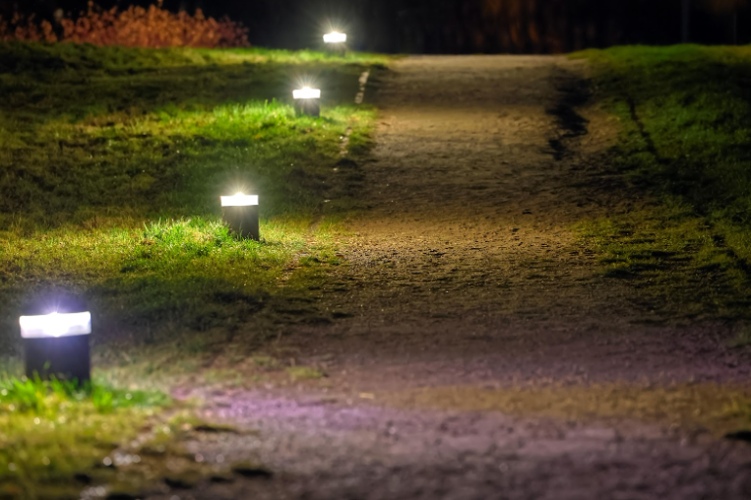
The first place I add LED lighting is along walkways and transitions. Path lights are deceptively powerful. Yes, they make the yard safer, but more importantly, they guide movement and create rhythm.
I keep these lights low and subtle, spaced evenly, and aimed downward. I’m not trying to spotlight the path—just outline it. When done right, your eye naturally follows the glow, and the yard begins to feel organized rather than scattered.
This is the kind of lighting guests don’t comment on, but always appreciate.
Lighting Plants Adds Depth, Not Brightness
One of the biggest shifts in how my yard looks at night came when I stopped lighting structures and started lighting plants.
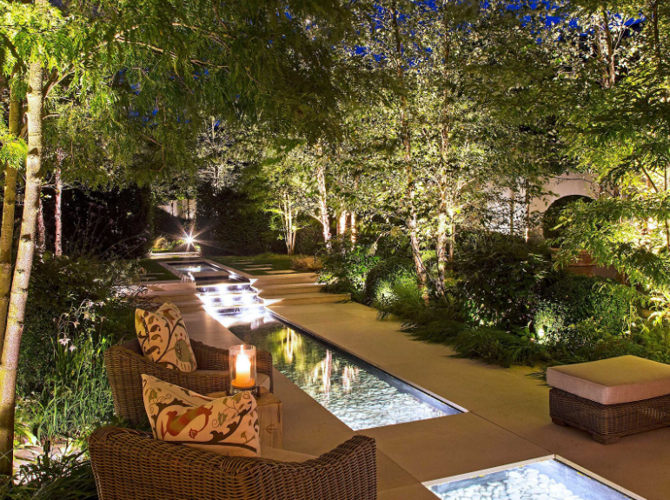
Uplighting a tree or large shrub adds instant depth. Shadows appear. Texture comes alive. Even a modest yard gains dimension when greenery is softly illuminated from below.
I limit this to one or two focal points. Lighting everything flattens the effect. A few intentional highlights let the rest of the yard fall gently into shadow—and that contrast is what makes the space feel designed.
String Lights, Used Like Jewelry
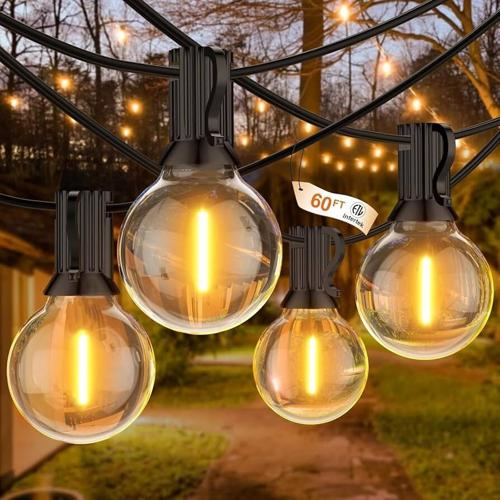
I love string lights, but I treat them like jewelry: one statement, placed carefully.
Over a dining table or seating area, they create warmth and signal where people should gather. Beyond that, I resist the urge to add more. Too many strings and the yard starts to feel chaotic, more festival than home.
I stick to warm tones and softer output. The goal is glow, not glare.
The Patio Should Feel Like an Outdoor Room
Once the surrounding yard is softly lit, I focus on the patio. This is where LED lighting does its best work.
I layer light the same way I would indoors:
Low-level accent lighting
Indirect lighting along walls or fences
Soft illumination near seating
What I avoid entirely is harsh overhead lighting. It kills intimacy instantly. When the patio is lit thoughtfully, it feels less like a backyard and more like an outdoor living room—somewhere you want to sit, talk, and stay awhile.
Why I Avoid Color for Everyday Use
LED lighting makes it tempting to experiment with color, but I’ve learned that restraint pays off.
For everyday living, warm white light almost always works best. It flatters landscaping, feels natural on skin, and doesn’t compete with the architecture of the home. Colored lighting can be fun for specific occasions, but as a default, it rarely ages well.
Timeless beats trendy every time.
LEDs as a Long-Term Choice

Beyond aesthetics, LEDs make sense because they’re efficient and reliable. They use less energy, last longer, and don’t demand constant maintenance. Once installed, they fade into the background and do their job quietly.
That reliability matters. The best lighting isn’t something you think about every night. It’s something you notice only when it’s missing.
What I’ve Learned From Living With It
The most important lesson I’ve learned is that darkness isn’t the enemy. Contrast is what makes light feel beautiful. Trying to illuminate every inch of the yard flattens the experience. Letting parts of the space remain in shadow gives the light somewhere to land.
When LED lighting is done right, the yard doesn’t feel decorated.
It feels intentional.
It feels finished.


(0) comments
We welcome your comments
Log In
Post a comment as Guest
Keep it Clean. Please avoid obscene, vulgar, lewd, racist or sexually-oriented language.
PLEASE TURN OFF YOUR CAPS LOCK.
Don't Threaten. Threats of harming another person will not be tolerated.
Be Truthful. Don't knowingly lie about anyone or anything.
Be Nice. No racism, sexism or any sort of -ism that is degrading to another person.
Be Proactive. Use the 'Report' link on each comment to let us know of abusive posts.
Share with Us. We'd love to hear eyewitness accounts, the history behind an article.