
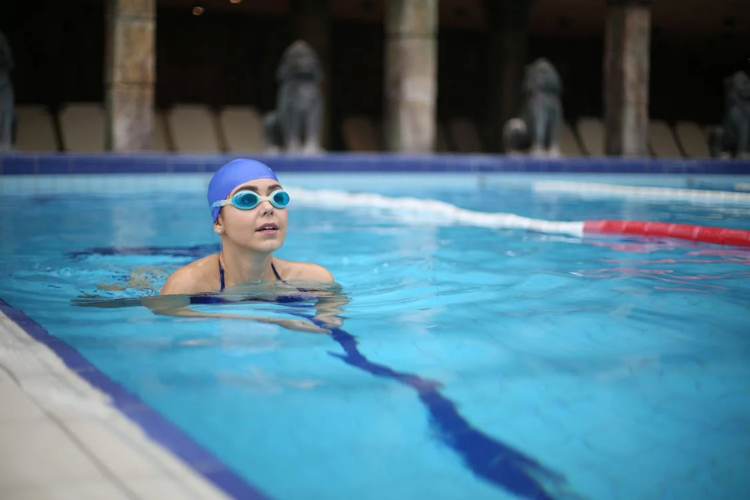
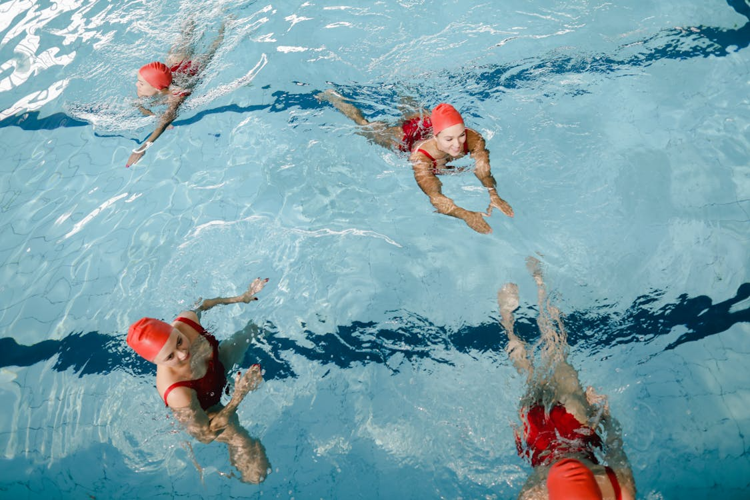

Swimming and water workouts sit in a rare sweet spot. They can feel gentle on the body, yet they still push the heart, lungs, and muscles to work. The water changes how weight and resistance behave, so everyday moves like walking, squatting, or lifting the arms can feel both supported and challenging.
That mix makes the pool a practical option for many people, from total beginners to serious athletes. It can help someone rebuild confidence after time off, and it can also give trained swimmers a tough session when they dial up the pace. Whether the goal is fitness, mobility, stress relief, or steady conditioning, water makes it easier to adjust intensity without changing the whole workout.
Water Supports Joints Without Removing Challenge
On land, every step sends force up through the feet, knees, hips, and spine. In water, buoyancy takes part of that load, so movement can feel smoother and less jarring.
That softer feel does not mean the work disappears. Many people find aquatic exercise feels smoother than land moves, and the water shares the load with the hips, knees, and ankles. The body still has to control motion, so muscles stay active through each rep.
Water can even make form easier to practice. A slower pace gives time to notice posture, breathing, and range of motion without feeling rushed.
Resistance Comes From Every Direction
On land, resistance often shows up in one main direction, like gravity during a squat. In the pool, resistance meets movement from many angles, so simple actions can turn into full-body work.
Harvard Health Publishing notes that water can provide about 12% to 14% more resistance than air, which helps explain why steady pool sessions can feel surprisingly taxing. That resistance rises as speed rises, so effort can scale with the person.
This can be useful for strength and cardio in the same session. A faster kick set, a brisk aqua jog, or strong arm pulls can raise intensity without adding impact.
A Natural Fit For Rehab And Chronic Pain
Water workouts often match well with recovery goals. The pool can reduce pressure on sore joints, which can make movement feel more manageable on days when land exercise feels rough.
The CDC notes that people can often exercise longer in water without increased joint or muscle pain. Longer, steadier sessions can support endurance and mobility, even when symptoms limit time on land.
That does not mean the pool is risk-free. Range of motion still matters, and pacing still matters, so people often do best with gradual progress and clear cues.
Heart And Lungs Get A Real Workout In The Pool
Swimming can raise the heart rate fast, yet it can feel calm once the rhythm clicks. The breath pattern, the water pressure on the chest, and the steady cadence all shape the effort in a way that feels different from running.
Water aerobics and deep-water jogging can deliver a similar cardio push. The legs drive hard, the core works to stay tall, and the arms add extra demand when movements stay crisp.
Breathing deserves attention. People tend to hold their breath when effort climbs, so building a habit of steady exhale and controlled inhale can make workouts feel more sustainable.
Strength And Balance Improve With Steady Practice
Strength in the pool is not only about big muscles. Stability matters too, since the body has to manage sway, drag, and shifting pressure with each move.
A 2024 Scientific Reports paper described a 16-week program with 80 volunteers ages 60 to 70, using two weekly sessions, showing how structured water training can fit into real schedules. Regular exposure gives the nervous system time to learn the patterns and get more confident with them.
Balance gains can come from simple drills. Marching, side steps, gentle single-leg stands, and slow turns can train control without the fear of a hard fall.
Swimming Scales From Beginner To Athlete
Many workouts fail when they only fit one level. Water training avoids that problem, since intensity can change with speed, depth, and range of motion.
A session can shift based on goals:
- Easy laps with long rests for technique and comfort
- Steady intervals for aerobic fitness
- Short bursts with full recovery for power
- Mixed strokes to spread work across muscles
That range helps families, teams, and mixed-skill groups share the same space. People can follow the same plan with different speeds and rest times.
Water Workouts Work In Small Spaces Too
A pool lane is not required for a good session. A shallow area can handle strength, cardio, and mobility work with little equipment.
Simple options can rotate through a circuit:
- Aqua jogging with tall posture
- Leg swings forward and sideways
- Wall push-offs with controlled returns
- Arm sweeps under the surface for shoulder work
- Heel raises and slow squats for lower-body strength
This flexibility matters when pools are crowded. A short routine can still hit the full body, and the water can keep effort honest even with small movements.
Making It Safe And Comfortable For Any Age
Comfort starts with temperature, depth, and pacing. Warmer pools can feel better for stiff joints, and deeper water can reduce impact even more, though it can feel less stable at first.
Safety habits stay simple. Enter slowly, use rails when needed, choose footwear when the deck is slick, and stop if dizziness or chest discomfort shows up.

A good plan respects the body’s signals. Progress can come from one small change at a time, like adding 2 minutes, adding one extra interval, or moving a little faster in short bursts.
Water workouts are one of the few training options that can meet people where they are. The water lowers impact, supports shaky joints, and lets many bodies move with less discomfort, but it still demands real effort through steady resistance and controlled breathing.
What makes swimming and pool-based training stand out is how adjustable it is from day to day. You can keep it gentle when energy is low, or push intensity with faster intervals, deeper water, and bigger ranges of motion, all while staying in a setting that feels steady and forgiving.

(0) comments
We welcome your comments
Log In
Post a comment as Guest
Keep it Clean. Please avoid obscene, vulgar, lewd, racist or sexually-oriented language.
PLEASE TURN OFF YOUR CAPS LOCK.
Don't Threaten. Threats of harming another person will not be tolerated.
Be Truthful. Don't knowingly lie about anyone or anything.
Be Nice. No racism, sexism or any sort of -ism that is degrading to another person.
Be Proactive. Use the 'Report' link on each comment to let us know of abusive posts.
Share with Us. We'd love to hear eyewitness accounts, the history behind an article.