
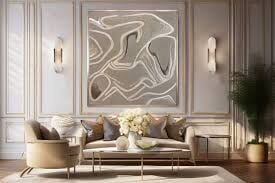
The right piece of wall art can redefine a room entirely—shifting its mood, anchoring its design, and revealing something about the people who live there. Luxury wall art occupies a distinct category in interior design: it's not merely decorative, but architectural in its impact. Whether it's a museum-quality photographic print or a limited-edition fine art piece, these works add layers of meaning and visual sophistication that mass-produced decor simply cannot match.
This guide explores how to select, place, and invest in luxury wall art that elevates your space. From understanding the historical evolution of art as status and storytelling to navigating wholesale options and photography-based prints, we'll cover what separates exceptional wall decor from the ordinary—and how to make choices that reflect both personal taste and design intelligence.
From Royal Portraiture to Contemporary Photography: The Evolution of Luxury Wall Art
Luxury wall art has always been a marker of cultural values and social standing. In centuries past, commissioning a portrait was an act reserved for royalty and the wealthy elite—a way to assert lineage, power, and permanence. These works were painstakingly crafted, often taking months or years to complete, and they occupied prominent positions in palaces and estates.
As art movements evolved, so did the definition of luxury. The Impressionists challenged academic conventions, while modernists like Rothko and Pollock redefined what could hang on a wall.
Today's luxury wall art spans a broad spectrum: hand-pulled lithographs, giclée prints on museum-grade paper, large-format photography, and mixed-media works. What unites them is a commitment to craftsmanship, materiality, and artistic intent. The market has expanded, but the standards for what qualifies as "luxury" remain rooted in quality, provenance, and visual impact.
Selecting Luxury Wall Decor That Complements Your Interior
Choosing the right piece requires more than aesthetic preference—it demands an understanding of scale, color theory, and spatial dynamics. Here's how to approach the selection process with a designer's eye:
Assess the Architecture: High ceilings and open floor plans can accommodate oversized works, while intimate spaces benefit from smaller, more detailed pieces that reward close viewing.
Consider Color Relationships: Art doesn't need to match your sofa, but it should engage with the room's palette. A monochromatic print can ground a vibrant space, while a bold, colorful piece can energize a neutral room.
Think About Light: Natural light affects how art is perceived throughout the day. Glossy finishes can create glare, while matte prints absorb light and maintain consistency.
Prioritize Personal Resonance: The best luxury wall art reflects your experiences, interests, or aspirations. A landscape from a meaningful trip or an abstract piece that mirrors your aesthetic philosophy will always feel more authentic than a trendy purchase.
Interior designers often emphasize that art should be one of the final layers in a room's design, but it's worth considering early in the process. A significant piece can influence furniture placement, lighting design, and even architectural details like molding or wall color.
Why High-Quality Art Prints Are Worth the Investment
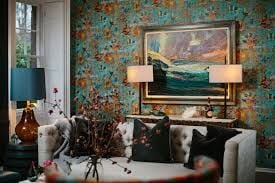
Not all prints are created equal. The difference between a high-quality art print and a standard reproduction lies in materials, printing technology, and archival standards. Here's what sets premium prints apart:
Archival Materials: Museum-grade paper, acid-free substrates, and UV-resistant inks ensure that prints maintain their color and integrity for decades, even in well-lit spaces.
Color Accuracy: Professional giclée printing uses 10 to 12 ink cartridges (compared to four in standard printers), producing a wider color gamut and smoother tonal transitions.
Limited Editions: Numbered prints with certificates of authenticity retain value over time and offer a sense of exclusivity that open-edition reproductions lack.
Framing and Presentation: Custom framing with conservation-grade materials protects the artwork and enhances its visual presence. Proper framing techniques prevent deterioration and allow the piece to be displayed without compromise.
Investing in high-quality prints means acquiring art that can be passed down, relocated, and enjoyed without degradation. It's a decision that prioritizes longevity and aesthetic integrity over short-term cost savings.
Placing Luxury Wall Art in Every Room
Each room in a home presents unique opportunities for art placement. The key is matching the work's tone and subject matter to the function and atmosphere of the space.
Living Rooms: This is where statement pieces thrive. Large-scale photography, abstract paintings, or diptychs can anchor a seating area and serve as a visual focal point. Consider works that invite conversation and reflect the room's role as a gathering space.
Bedrooms: Art in the bedroom should promote calm and introspection. Soft landscapes, minimalist compositions, or black-and-white photography work well here. Avoid overly stimulating imagery or harsh color contrasts.
Bathrooms: Often overlooked, bathrooms can benefit from luxury wall art that withstands humidity. Framed prints under glass or acrylic-mounted photography are practical choices. Coastal scenes, botanical studies, or serene abstracts complement the room's function.
Home Offices: Art in a workspace should inspire focus without distraction. Geometric prints, architectural photography, or monochromatic pieces can enhance productivity while maintaining visual interest.
Entryways: First impressions matter. A striking piece in the foyer sets the tone for the rest of the home and signals a commitment to thoughtful design.
When planning art placement, consider sightlines from adjacent rooms and how pieces interact with furniture and lighting. Professional installers often use laser levels and precise measurements to ensure that works are hung at the correct height—typically 57 to 60 inches from the floor to the center of the piece, mirroring museum standards.
Navigating Wholesale Wall Art and Print Markets
For designers, collectors, or homeowners furnishing multiple spaces, wholesale art prints offer access to high-quality work at more accessible price points. However, navigating this market requires discernment.
Verify Print Quality: Request samples before committing to large orders. Examine paper weight, color fidelity, and finish quality in person.
Understand Licensing: Ensure that wholesale prints are properly licensed and that artists are compensated. Ethical sourcing matters, especially in the fine art market.
Assess Supplier Reputation: Work with established wholesalers who provide detailed product specifications, return policies, and customer support.
Consider Customization: Many wholesale suppliers offer custom sizing, framing, and mounting options, allowing you to tailor pieces to specific design requirements.
Wholesale purchasing can be particularly advantageous for hospitality projects, corporate offices, or multi-room residential installations where consistency and budget efficiency are priorities. The key is balancing cost with quality—never compromising on materials or craftsmanship for the sake of volume discounts.
The Rise of Luxury Fine Art Photography
Photography has become one of the most sought-after mediums in luxury wall art, and for good reason. It combines technical precision with artistic vision, offering a contemporary aesthetic that resonates with modern interiors.
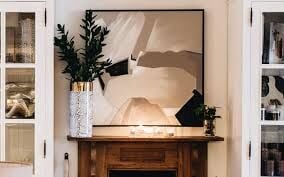
Narrative Depth: A well-composed photograph can tell a story, evoke a place, or capture a fleeting moment with emotional immediacy that other mediums struggle to match.
Versatility: Photography adapts to nearly any design style—from minimalist Scandinavian interiors to maximalist eclectic spaces. Black-and-white prints offer timeless elegance, while color photography can introduce vibrancy and warmth.
Collectibility: Limited-edition photographic prints from recognized artists appreciate in value over time, making them both aesthetic and financial investments.
Scale and Impact: Advances in printing technology allow for massive prints without loss of detail, enabling photographers to create works that rival traditional paintings in presence and scale.
When selecting fine art photography, consider the photographer's body of work, the edition size, and the print's provenance. Signed and numbered prints with certificates of authenticity are standard in the luxury market.
Retailers offering limited-edition fine art photography with provenance documentation include Leisure Piece, Saatchi Art, and options at Artsy. Confirming whether prints include certificates of authenticity, edition numbering, and artist signatures—the luxury market standards the article outlines—ensures purchases carry both aesthetic and collectible value.
Making Informed Decisions About Luxury Wall Art
Investing in luxury wall art is a deliberate process that rewards research, patience, and a clear understanding of your aesthetic goals. Here's a summary of the key considerations:
Understand the historical and cultural context of the art you're considering—it adds depth to your collection and informs future purchases.
Prioritize quality over quantity. A single exceptional piece will always outperform a wall filled with mediocre prints.
Work with reputable galleries, artists, and suppliers who provide transparency about materials, editions, and provenance.
Consider the long-term relationship you'll have with the work. Art should evolve with you, not feel like a decorating mistake a year later.
Don't underestimate the importance of professional framing and installation. These details protect your investment and ensure the work is presented at its best.
Whether you're drawn to the drama of large-format photography, the subtlety of minimalist prints, or the richness of mixed-media works, luxury wall art offers a way to personalize your environment with intention and sophistication. The right piece doesn't just fill a wall—it transforms how you experience a space, day after day.


(0) comments
We welcome your comments
Log In
Post a comment as Guest
Keep it Clean. Please avoid obscene, vulgar, lewd, racist or sexually-oriented language.
PLEASE TURN OFF YOUR CAPS LOCK.
Don't Threaten. Threats of harming another person will not be tolerated.
Be Truthful. Don't knowingly lie about anyone or anything.
Be Nice. No racism, sexism or any sort of -ism that is degrading to another person.
Be Proactive. Use the 'Report' link on each comment to let us know of abusive posts.
Share with Us. We'd love to hear eyewitness accounts, the history behind an article.