
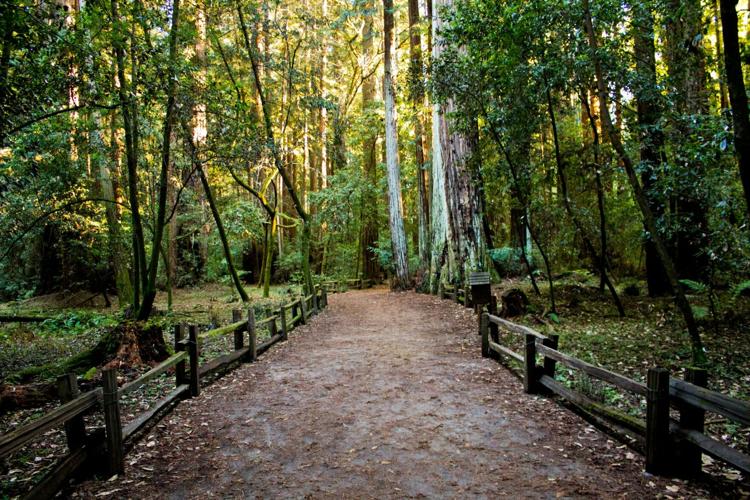

Have you ever found yourself feeling cooped up in a classroom, longing for a change of scenery and a breath of fresh air? Well, you're not alone. The traditional classroom setting, while essential for academic learning, can sometimes feel restrictive and uninspiring. That's where outdoor education comes in – a dynamic approach to learning that takes students beyond the four walls of the classroom and into the great outdoors! Let's explore the numerous benefits of outdoor education and why it's worth embracing for a well-rounded learning experience.
Connecting with Nature
One of the most significant advantages of outdoor education is the opportunity to connect with nature in a meaningful way. Freeing your time with “Write essay for me” services to step outside allows students to experience firsthand the beauty and wonder of the natural world. This beauty spans from lush forests and meandering rivers to towering mountains and vast oceans.
Immersing oneself in nature not only fosters a sense of awe and appreciation but also provides a rich context for learning across various subjects, including science, geography, and environmental studies. Whether it's observing wildlife in their natural habitats, studying ecosystems, or conducting field experiments, outdoor education offers endless opportunities for exploration and discovery.
Hands-On Learning Experiences
Outdoor education emphasizes experiential learning, where students actively engage with their environment and participate in hands-on activities. Instead of passively absorbing information from textbooks or lectures, students are encouraged to interact with their surroundings, ask questions, and seek answers through observation, experimentation, and exploration.
Whether it's identifying plant species, building shelters, or navigating using a map and compass, outdoor education provides practical, real-world experiences that deepen understanding and retention of concepts.
These hands-on learning experiences not only enhance academic learning but also foster critical thinking, problem-solving, and teamwork skills that are invaluable for success in school and beyond.

Expanding Cultural Awareness
Education provides a unique opportunity for students to explore different cultures and perspectives firsthand. Whether it's visiting historical landmarks, participating in cultural festivals, or interacting with local communities, outdoor experiences can broaden students' horizons and foster a deeper understanding and appreciation of diverse cultures and traditions.
Promoting Physical Health and Well-being
Spending time outdoors is not only beneficial for academic learning but also for physical health and well-being. Outdoor activities such as hiking, biking, and nature walks promote physical fitness, reduce stress, and improve overall mental health.
Fostering Environmental Stewardship
Outdoor education plays a vital role in cultivating environmental stewardship and a sense of responsibility towards the natural world. Through hands-on experiences such as tree planting, habitat restoration, and conservation projects, students learn the importance of protecting and preserving the environment for future generations.
By instilling values of sustainability and conservation early on, outdoor education empowers students to become advocates for environmental protection and change agents in their communities.
Building Resilience and Self-Reliance
This type of education challenges students to step out of their comfort zones, take risks, and overcome obstacles, fostering resilience and self-reliance. Whether it's navigating unfamiliar terrain, building shelters, or overcoming fears, outdoor experiences teach valuable life skills that translate beyond the classroom.
Enhancing Social Skills and Teamwork
Outdoor education provides numerous opportunities for students to collaborate, communicate, and work together as a team. If you’re practicing solving problems, making decisions, or completing tasks, outdoor activities encourage cooperation and foster interpersonal skills that are essential for success in school, work, and relationships.
By engaging in group activities and team-building exercises, students learn to respect diverse perspectives, support one another, and achieve common goals.
Inspiring Creativity and Innovation
The outdoor environment stimulates creativity and innovation, providing a blank canvas for imaginative exploration and discovery. Whether it's sketching landscapes, composing nature-inspired poetry, or designing outdoor art installations, outdoor education encourages students to express themselves creatively and think outside the box.
By tapping into their natural curiosity and imagination, students can unlock their creative potential and explore new avenues of learning and expression.
Nurturing Leadership Skills
Outdoor education offers opportunities for students to develop leadership skills and take on roles of responsibility.
Suppose you’d love leading a group hike, organizing a camping trip, or facilitating team-building activities. In that case, outdoor experiences empower students to hone their leadership abilities, communicate effectively, and inspire others to action.
Cultivating Environmental Awareness
Education in the outdoors deepens students' understanding of environmental issues and fosters a sense of responsibility towards the planet. Through experiential learning activities such as nature walks, wildlife observation, and environmental monitoring, students gain firsthand knowledge of ecosystems, biodiversity, and the interconnectedness of all living things.
By connecting with nature on a personal level, students develop a sense of empathy and stewardship for the environment, motivating them to take action to protect and preserve the natural world.
Embracing Risk Management
Outdoor education teaches students how to assess risks, make informed decisions, and prioritize safety in outdoor environments. Whether it's learning wilderness survival skills, practicing first aid techniques, or understanding weather patterns, students gain practical knowledge and experience that prepares them to navigate outdoor challenges safely and responsibly.
Final Thoughts
In conclusion, outdoor education offers a wealth of benefits that complement and enhance traditional classroom learning. From connecting with nature and experiencing hands-on learning to fostering critical thinking and teamwork skills, the opportunities for growth and discovery are endless.
By embracing outdoor education, students can cultivate a deeper understanding of the world around them, foster a sense of stewardship for the environment, and develop the skills and resilience needed to thrive in an ever-changing world.
So, whether it's a field trip to a local park, a camping excursion in the wilderness, or simply spending time outdoors exploring your surroundings, remember that the great outdoors is not just a classroom without walls – it's a vibrant, dynamic learning environment waiting to be explored!
(0) comments
We welcome your comments
Log In
Post a comment as Guest
Keep it Clean. Please avoid obscene, vulgar, lewd, racist or sexually-oriented language.
PLEASE TURN OFF YOUR CAPS LOCK.
Don't Threaten. Threats of harming another person will not be tolerated.
Be Truthful. Don't knowingly lie about anyone or anything.
Be Nice. No racism, sexism or any sort of -ism that is degrading to another person.
Be Proactive. Use the 'Report' link on each comment to let us know of abusive posts.
Share with Us. We'd love to hear eyewitness accounts, the history behind an article.