
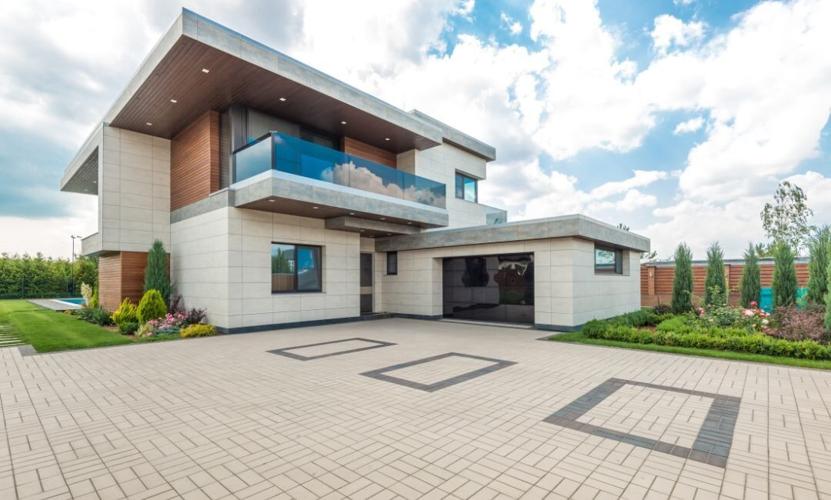

In South Florida, curb appeal is not just a design preference. It is a reflection of lifestyle, climate awareness, and long term property value. As homeowners continue investing in outdoor upgrades, the travertine driveway has become a frequent topic of discussion. But is a travertine paver driveway truly worth the investment in this tropical region?
Many homeowners researching options eventually come across Sublime Pavers and detailed breakdowns of Travertine driveway projects, including factors that influence travertine driveway cost and installation methods. Understanding how this material performs in South Florida’s unique environment is essential before making a decision.
Below, we explore the practical, aesthetic, and financial considerations that determine whether a travertine driveway installation makes sense for your home.
Understanding Travertine as a Driveway Material
Travertine is a natural stone formed from limestone deposits, known for its subtle texture and elegant color variations. It has long been used in architecture and outdoor applications because of its durability and timeless appearance.
Unlike poured concrete or asphalt, a travertine paver driveway is composed of individual stones installed over a prepared base. This system offers flexibility, allowing the surface to adapt to minor ground movement, which is particularly important in regions with heavy rain and shifting soil conditions.
How Travertine Performs in South Florida’s Climate
South Florida’s climate presents specific challenges for driveway materials:
Intense sunlight and heat
Heavy rainfall and humidity
Occasional tropical storms
High water tables and soil movement
A key reason homeowners consider a travertine driveway is its natural ability to remain cooler under direct sun compared to darker materials like asphalt. Travertine reflects heat more effectively, making it more comfortable for barefoot walking and reducing surface expansion stress.
Additionally, when installed correctly, travertine driveway installation allows for better drainage between pavers. This can help manage water runoff during Florida’s frequent downpours, reducing the likelihood of pooling and surface damage.
Aesthetic Value and Curb Appeal
South Florida architecture often blends Mediterranean, coastal contemporary, and modern luxury styles. A travertine driveway complements these aesthetics with its natural tones and refined texture.
Compared to standard concrete slabs, travertine offers:
Organic color variation
Textured, slip resistant surfaces
A high end visual presence
Compatibility with matching patios and pool decks
For homeowners focused on resale value or architectural harmony, this visual upgrade can be significant. A cohesive exterior design that includes a travertine paver driveway can elevate the overall perception of the property.
Durability and Structural Integrity
One common concern is whether natural stone can withstand the weight of vehicles. When properly installed over a reinforced base, a travertine driveway is capable of supporting regular residential traffic.
The key lies in correct preparation and compaction beneath the pavers. Because the driveway is not a single poured slab, small shifts in the ground are less likely to cause widespread cracking. Individual pavers can be replaced if damage occurs, which is often more practical than repairing cracked concrete.
In South Florida, where soil expansion and contraction can occur due to moisture changes, this flexibility can be an advantage.
Maintenance Considerations
No driveway material is entirely maintenance free. However, travertine is relatively easy to maintain with periodic cleaning and sealing.
Routine care typically includes:
Sweeping debris
Pressure washing when needed
Applying a protective sealant every few years
Proper sealing can help protect against stains, moisture intrusion, and surface wear. Compared to asphalt, which may require resurfacing, or concrete that may crack irreparably, travertine offers manageable long term upkeep.
Evaluating Travertine Driveway Cost
Cost is one of the most important factors when deciding whether a travertine driveway is worth it. Travertine driveway cost can vary depending on:
Size of the driveway
Site preparation requirements
Drainage modifications
Stone thickness and grade
Labor complexity
While travertine driveway installation typically costs more upfront than basic concrete, many homeowners weigh that against long term durability, reduced repair frequency, and enhanced property value.
In luxury driven markets like South Florida, premium materials often align with buyer expectations. As a result, the higher initial investment may be justified for homeowners who plan to stay long term or who aim to maintain a competitive resale position.
Comparing Travertine to Other Driveway Materials
To determine whether a travertine driveway is worth it, it helps to compare it with common alternatives:
Concrete:
Lower upfront cost but prone to cracking and discoloration. Limited design flexibility.
Asphalt:
Cost effective initially but absorbs heat, requires resurfacing, and offers minimal aesthetic appeal.
Brick Pavers:
Visually appealing but may fade over time and can shift if not installed properly.
Travertine Pavers:
Higher upfront investment, strong durability, cooler surface temperatures, natural elegance, and easier localized repairs.
For many South Florida homeowners, climate performance combined with visual sophistication makes travertine an appealing choice.
Is It the Right Investment for Your Home?
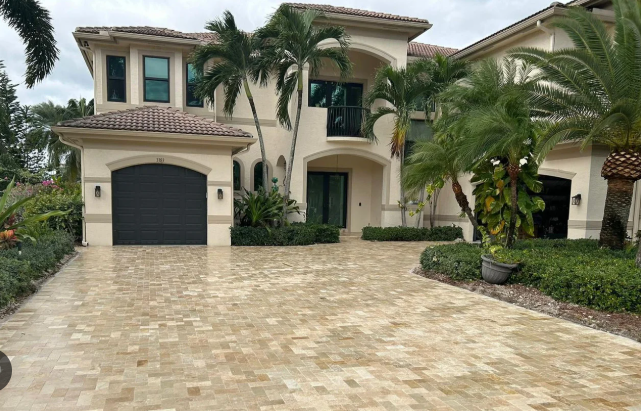
A travertine driveway is not just a surface upgrade. It is a design decision that impacts curb appeal, functionality, and long term maintenance.
It may be worth the investment if:
You prioritize architectural consistency and upscale aesthetics
You want a cooler surface in hot weather
You are planning a full exterior renovation
You intend to stay in the home long term
You want a driveway that aligns with luxury market expectations
However, if budget constraints are the primary concern and visual impact is secondary, other materials may be sufficient.
For South Florida homes, material performance must match environmental demands. A travertine driveway offers advantages in heat resistance, drainage adaptability, and refined appearance. While travertine driveway cost is typically higher than standard concrete, many homeowners find value in its durability and timeless appeal.
Ultimately, the decision depends on priorities. If curb appeal, climate resilience, and long term quality are central to your renovation goals, a travertine paver driveway may indeed be worth the investment.


(0) comments
We welcome your comments
Log In
Post a comment as Guest
Keep it Clean. Please avoid obscene, vulgar, lewd, racist or sexually-oriented language.
PLEASE TURN OFF YOUR CAPS LOCK.
Don't Threaten. Threats of harming another person will not be tolerated.
Be Truthful. Don't knowingly lie about anyone or anything.
Be Nice. No racism, sexism or any sort of -ism that is degrading to another person.
Be Proactive. Use the 'Report' link on each comment to let us know of abusive posts.
Share with Us. We'd love to hear eyewitness accounts, the history behind an article.