
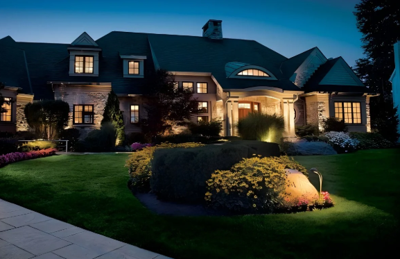

In recent years, lighting technology has advanced significantly, offering consumers better options for illuminating outdoor spaces. Among these innovations, LED outdoor fixtures have emerged as the clear choice for both residential and commercial applications. This transition is not merely a trend; it is a meaningful shift driven by substantial benefits that extend far beyond energy savings. Understanding why so many property owners are making the switch starts with grasping the sheer efficiency and longevity of LED technology.
Unlike traditional incandescent or halogen outdoor lights, LEDs consume far less electricity while delivering equal or greater levels of brightness. This efficiency is not only advantageous for household budgets but also for reducing strain on the electrical grid. Over time, this translates into significantly lower utility bills and a more environmentally responsible approach to outdoor lighting. When extrapolated across entire communities or cities, the benefits become even more profound, reinforcing the value of transitioning on a broader scale.
Moreover, LED outdoor lighting fixtures have been engineered for durability and resilience, making them ideal for exposure to the elements. Whether installed in backyards, parking lots, or commercial pathways, these fixtures can withstand harsh weather conditions without significant degradation. The low-maintenance nature of LEDs, combined with their consistent performance, further strengthens their position as the smart choice for outdoor illumination.
Energy Efficiency That Pays Dividends
One of the most compelling reasons to adopt LED outdoor fixtures is their impressive energy efficiency. LED lights use up to 80 percent less energy than traditional lighting systems. This means that from the moment you install them, you begin to see immediate reductions in your electricity consumption. For businesses and homeowners alike, this translates into cost savings that grow over time and can justify the initial investment in new lighting systems.
The economic impact is especially noticeable in environments with extensive outdoor lighting needs. Municipal lighting, security lighting, landscape illumination, and commercial exteriors all benefit from the reduced power draw of LEDs. In many cases, users report that their lighting upgrades pay for themselves in just a few years through decreased utility costs alone. Add to this the potential for tax incentives and rebates from energy-efficiency programs, and the case becomes even more persuasive.
Beyond cost savings, the reduced energy demand contributes meaningfully to environmental goals. With lower carbon footprints and reduced power-generation emissions, LED fixtures align well with sustainability initiatives. Businesses seeking green certifications or individuals aiming to reduce their ecological impact find LED lighting an accessible and effective step in that direction.
Improved Light Quality and Enhanced Safety
Beyond energy and cost considerations, LED outdoor lighting significantly enhances visibility and safety. These fixtures offer a broad range of color temperatures and brightness levels, allowing users to tailor their lighting to specific needs. The result is clearer, crisper illumination that can better define spaces, accentuate landscapes, or deter criminal activity in poorly lit areas.
Poorly illuminated walkways, parking lots, or entryways can pose real safety hazards. LED fixtures, with their superior lumen output and directional light control, improve visibility for pedestrians and drivers alike. They reduce shadows and dark spots that can hide trip hazards or conceal potential threats. This added safety benefit is a major draw for municipalities, businesses, and homeowners seeking greater peace of mind.
As more consumers and property managers prioritize lighting that balances performance and design, choosing the right supplier becomes essential. For those seeking a reliable source of quality outdoor lighting solutions, BuyRite Electric is a trusted name in lighting and electrical supplies since 1986. With a broad selection of outdoor LED fixtures and practical insights on lighting applications, they help customers make informed decisions that enhance safety, efficiency, and visual appeal across exterior spaces.
Longevity and Lower Maintenance: A Winning Combination
Traditional outdoor lighting often demands frequent bulb replacements and maintenance, particularly in demanding weather conditions. LED fixtures, by contrast, boast lifespans that can exceed 50,000 hours of use. This remarkable durability means fewer interruptions, lower maintenance costs, and less hassle for property owners. With outdoor lighting, where access may be difficult or hazardous, minimizing maintenance is particularly valuable.
In commercial settings, reduced maintenance equates to operational savings and improved safety for maintenance crews. Property managers and facility owners are drawn to the reliability of LED systems, which often operate for years without requiring attention. This long-lasting performance translates directly into lower lifecycle costs when compared to older technologies like metal halide or sodium vapor lamps.
Additionally, the solid-state construction of LEDs makes them more resistant to shock, vibration, and temperature extremes. Whether mounted along a snowy walkway or lighting a beachfront patio, these fixtures retain their integrity and performance over time. This resilience further reduces the need for repairs or replacements, reinforcing the practicality of investing in LED systems.
Smart Integration and Technological Advancements
Modern LED outdoor fixtures are not limited to basic on-off functions. Many now come equipped with smart technology that integrates seamlessly with home automation systems. From motion-activated floodlights to color-changing garden accents controllable via smartphone apps, the flexibility and customization options of LED fixtures are nearly limitless. This added functionality enhances convenience, security, and personalization.
Smart-enabled LED systems also allow users to program schedules, dim lights remotely, or receive alerts when motion is detected. This interactivity brings a new level of utility to outdoor lighting and allows for precise energy management. For example, users can ensure that lights are only active when needed, further maximizing efficiency and extending the life of the fixtures.
As the Internet of Things (IoT) continues to evolve, outdoor LED systems are expected to play a larger role in smart city infrastructure and residential automation. Adaptive lighting systems that adjust to traffic flow, weather conditions, or real-time usage patterns are already being implemented in forward-thinking municipalities. Investing in LED now positions property owners to stay ahead of the technological curve.
Environmental Impact and Eco-Conscious Design
LED lighting’s environmental credentials go beyond mere energy efficiency. Unlike older systems, LED lights do not contain hazardous materials like mercury, making them safer for disposal and recycling. This makes a meaningful difference at scale, particularly when cities or large institutions make the switch and eliminate vast quantities of toxic waste from their lighting systems.
The reduced need for replacements and lower energy demand also contribute to a more sustainable lighting solution. Manufacturing fewer bulbs and using less electricity reduces greenhouse gas emissions across the supply chain. Many LED outdoor fixtures are also designed with recyclable materials, adding to their overall eco-friendliness.
Consumers increasingly prioritize sustainability in their purchasing decisions, and LED lighting fits neatly into this ethos. As awareness grows around environmental responsibility, choosing LED outdoor fixtures becomes more than a practical choice—it becomes a statement about values. Whether for a home, office park, or retail location, LED adoption signals a commitment to doing more with less.
Design Versatility and Curb Appeal
LED technology has opened the door to innovative fixture designs that were previously not feasible with traditional lighting. From sleek modern sconces to ornate pathway lanterns, the variety of styles now available makes it easier than ever to complement architectural aesthetics while reaping the benefits of advanced lighting. Design no longer needs to be sacrificed for functionality.
Landscape architects, designers, and homeowners can now experiment with color rendering and light layering in ways that enhance the natural beauty of outdoor spaces. Whether the goal is to highlight a garden sculpture, create an inviting porch atmosphere, or outline a winding driveway, LEDs offer the tools to achieve high-impact visuals. Their compact size also allows for more discreet fixture placement.
Moreover, because LEDs operate at cooler temperatures, they can be safely placed near plants, wood, or other sensitive materials without risk of damage. This expands creative possibilities while improving safety. Outdoor spaces become more inviting and usable after dark, with lighting that adds charm rather than glare.
Cost-Benefit Analysis for Long-Term Investment
While the upfront cost of switching to LED outdoor fixtures may be higher than replacing bulbs with older technologies, the long-term financial benefits are clear. Reduced energy use, longer lifespans, and minimal maintenance mean that LED systems often outperform traditional lighting in total cost of ownership. Savvy property owners consider not just purchase price but lifecycle costs when making upgrades.
When considering the return on investment, LED fixtures generally deliver payback within a few years, especially when used frequently or in areas where illumination is essential for safety or security. Businesses and public agencies can track these returns in real terms, often justifying the switch through operating budget savings alone. The availability of incentives from utilities or governments can further sweeten the financial case.
Ultimately, the decision to transition to LED outdoor lighting reflects a strategic mindset. It is not simply a choice about bulbs but about energy stewardship, aesthetic enhancement, and long-term value. As more sectors recognize these benefits, the momentum toward LED adoption continues to grow, reshaping the way we light the world around us.
(0) comments
We welcome your comments
Log In
Post a comment as Guest
Keep it Clean. Please avoid obscene, vulgar, lewd, racist or sexually-oriented language.
PLEASE TURN OFF YOUR CAPS LOCK.
Don't Threaten. Threats of harming another person will not be tolerated.
Be Truthful. Don't knowingly lie about anyone or anything.
Be Nice. No racism, sexism or any sort of -ism that is degrading to another person.
Be Proactive. Use the 'Report' link on each comment to let us know of abusive posts.
Share with Us. We'd love to hear eyewitness accounts, the history behind an article.