
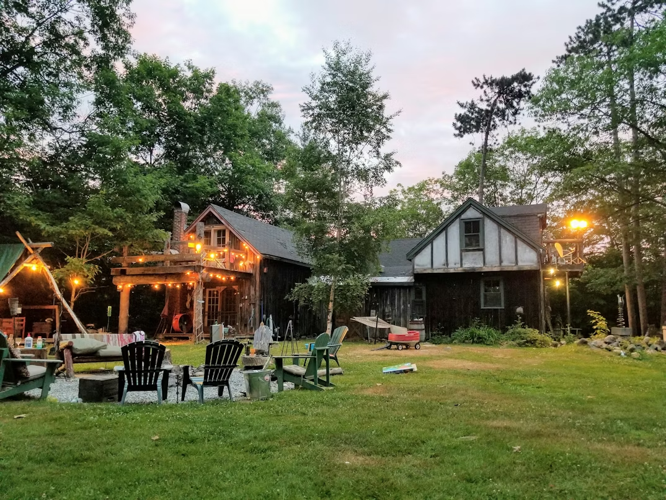
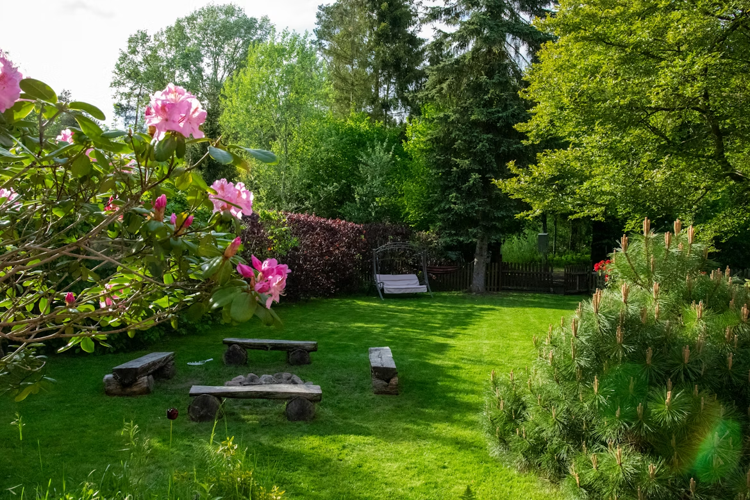
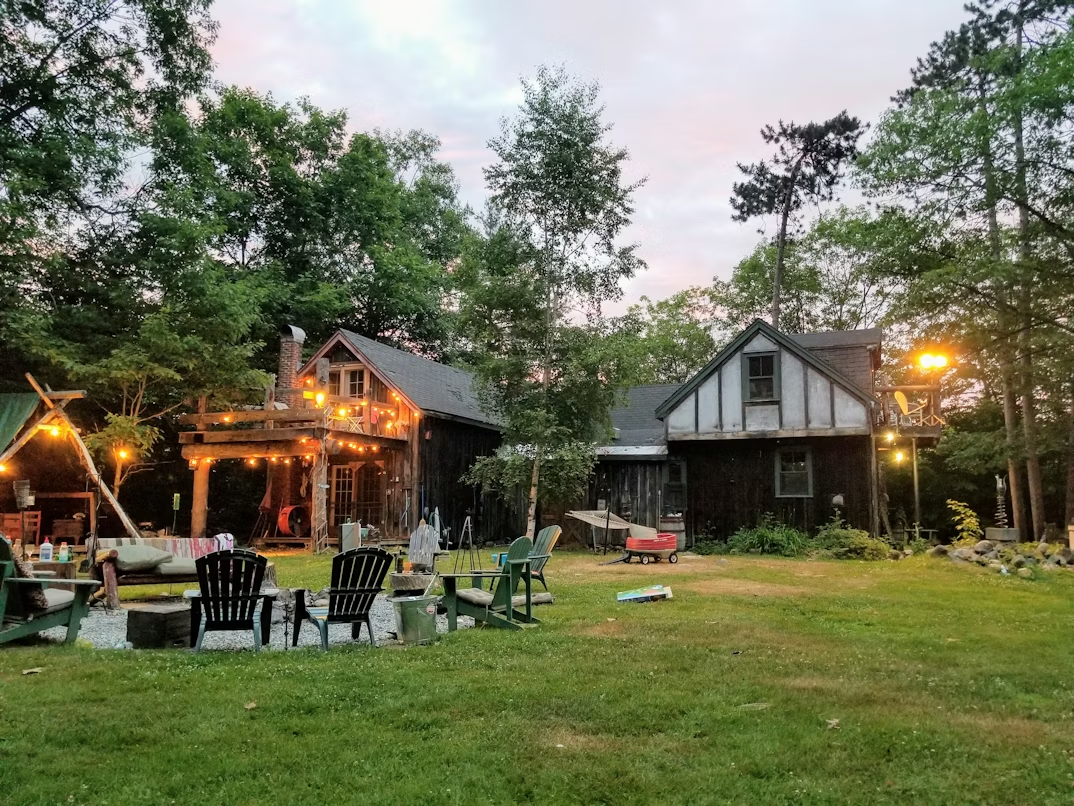
A small backyard can still feel generous and relaxing with a few smart design moves. The goal is to create long views, gentle flow, and simple layers. With the right materials and planting choices, you can make every square foot work harder.
Map sightlines and zones
Start by looking from your back door and identifying the longest straight or diagonal view. Protect that path from clutter so the eye can travel, and the space feels longer. If your layout is tricky, consider a phased plan or professional help -SpaceStars outdoor renovation services and similar ones can align zones and transitions without cramming the yard. And that planning pays off when you add details later.
Break the yard into 3 light zones at most: a dining spot, a lounge area, and a planting or play strip. Use low planters or groundcover to outline edges, not tall barriers. Keep the main path between zones wide and simple so movement feels easy.
Pick furniture that breathes
Choose pieces with slim profiles, open bases, and fewer deep cushions. Boxy sectionals and oversized dining sets eat up room fast. A recent guide from a homebuilding outlet recommends space-saving furniture, thoughtful planting, and visual tricks to maximize small patios, which tracks with what you see in compact urban yards.
Try a loveseat instead of a 3-seater, or a round bistro table that tucks into a corner. Folding or stackable chairs let you scale up for guests, then down for daily life. Stick to 1 or 2 materials so the scene looks calm rather than busy.
Guide the eye upward with vertical planting
When floor space is tight, build height. Train vines on trellis panels, mount pocket planters on fences, and use slim obelisks in beds to lift blooms above the ground plane. A gardening resource noted that vertical planting and targeted foliage placement can make small outdoor areas feel larger and more lush, and it also keeps traffic lanes clear.
Pick a few statement climbers and repeat them side by side for a cohesive look. Tier containers by height so tall pots sit at the back, medium in the middle, and low bowls up front. This stepped effect stacks layers without stealing usable square footage.
Add light structure for depth
A small structure can make your yard feel like an outdoor room. A simple pergola or arbor frames the sky and adds rhythm without enclosing the space. Design coverage from a shelter publication pointed out that a pergola brings helpful structure and layering in tight backyards, making the space feel settled rather than chaotic.
Keep posts slender and the roof open with widely spaced rafters. If you add fabric, choose light colors and leave gaps for sun and breeze. Place the pergola to anchor dining or lounge seating, then let the surrounding area remain open.
Stretch space with color, pattern, and lines
Paving patterns can trick the eye. Lay deck boards or pavers on a diagonal to lengthen the view, or run linear pavers away from the house to suggest extra depth. A border band around a patio works like a picture frame that sharpens edges and prevents visual spill.
Use a restrained palette. Two paving materials at most will keep the plane calm. Light or mid-tone surfaces bounce daylight around and reduce the cave effect that darker finishes can cause. Add contrast in small hits, like a striped outdoor rug or a pair of patterned cushions, so the scene feels lively but not loud.
Quick wins you can do this weekend
Remove one large item that blocks a view, like a bulky planter or boxy chair
Swap tall railings or lattice for open balusters or cable runs
Lift plants off the floor with wall planters or narrow shelves
Consolidate small pots into 3 larger containers for a cleaner look
Add a mirror on a fence to bounce light and extend sightlines
String simple lights along one axis to guide the eye at night
Edit plant choices for clarity
Fewer plant varieties can actually make a yard feel bigger. Choose a small palette and repeat it in drifts so the garden reads as one connected idea. A landscaping magazine has suggested that neat planting choices help maximize space by limiting visual noise, which keeps the focus on form and flow rather than on competing colors.
Favor plants with fine or upright texture near paths and seating. Save the bold, leafy shapes for corners where they can soften edges without crowding people. If you want seasonal pops, rotate color in planters rather than reworking whole beds.
Light for layers, not glare
Think of lighting in three tiers. First, add soft ambient glow from string lights or shielded wall sconces. Second, place task lighting at the grill and table so you can cook and eat comfortably. Third, use tiny accents on a tree trunk or along a step to reveal depth without blasting the whole yard.
Stick to warm LED bulbs so the scene feels cozy, not clinical. Keep fixtures small and aim them down to protect the night sky. A few low-watt sources, smartly aimed, look larger than a single bright flood.
Hide storage in plain sight
Clutter shrinks a yard fast, so build storage that doubles as seating or planters. A bench with a lift-up lid swallows cushions and yard games, while a tall planter box can hide a slim storage cabinet behind it. Choose matching finishes so these pieces read as one calm backdrop, not separate objects fighting for attention.
Tuck trash and tools along the least visible edge of the yard. Use slatted doors, outdoor curtains, or lattice screens that let air through and keep bulk out of sight. The more you can clear the ground plane, the wider and lighter the space will feel.
Choose see-through boundaries
Swap solid fences for open designs like horizontal slats, wire mesh, or cable rail. These options mark edges without cutting off light or views, which makes the yard feel larger. If privacy is a must, layer tall grasses or airy shrubs in front so you soften sightlines without building a wall.
For decks and steps, use railings with slender posts and thin pickets. Glass panels or acrylic guards can work in windy spots, but keep frames minimal. The goal is simple: define the boundary while letting your eyes keep traveling.
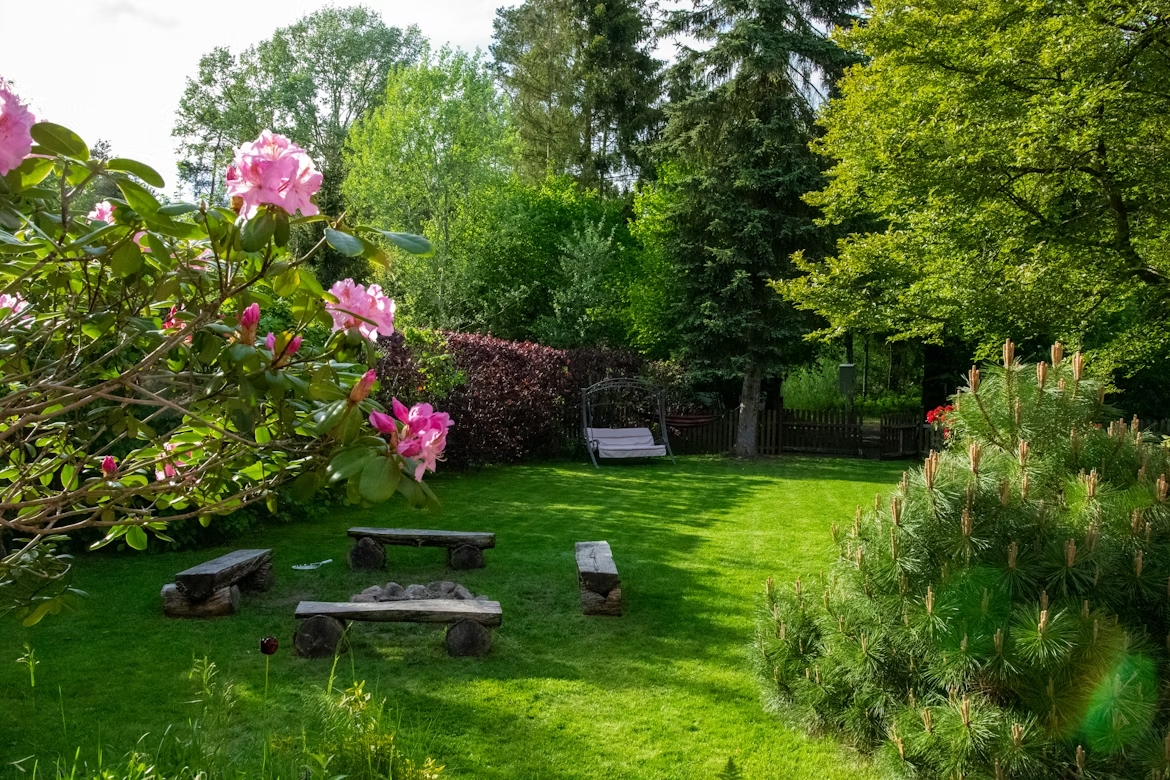
Good design is mostly subtraction. If you edit with purpose, protect a long view, and build a few vertical layers, your small backyard will feel open, calm, and ready for everyday living. Keeping materials simple and furniture light lets the space breathe, and that makes your time outside feel easy.
(0) comments
We welcome your comments
Log In
Post a comment as Guest
Keep it Clean. Please avoid obscene, vulgar, lewd, racist or sexually-oriented language.
PLEASE TURN OFF YOUR CAPS LOCK.
Don't Threaten. Threats of harming another person will not be tolerated.
Be Truthful. Don't knowingly lie about anyone or anything.
Be Nice. No racism, sexism or any sort of -ism that is degrading to another person.
Be Proactive. Use the 'Report' link on each comment to let us know of abusive posts.
Share with Us. We'd love to hear eyewitness accounts, the history behind an article.