
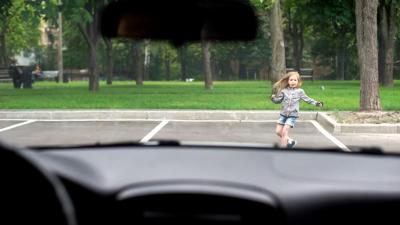

Safety on public roads should not depend on whether a person is inside a vehicle or walking beside it. Pedestrians face far greater physical risk because they lack the protection drivers have. Even a low-speed collision can lead to serious injury. Traffic laws are designed to reduce this danger, but they only work when drivers follow them.
Many pedestrian accidents happen because of speeding, distraction, or failure to yield. A pedestrian accident lawyer handles cases where these preventable mistakes cause harm, and legal accountability becomes necessary to address the consequences.
Understanding how the law responds to these incidents helps clarify why walking should never feel unsafe.
Why Pedestrians Face Greater Risk Than Drivers
A vehicle can weigh several thousand pounds, while the human body has no protection against that force. Even a crash at low speed can cause serious harm, such as fractures, head injuries, internal bleeding, or damage to the spine. Treatment may involve surgery, therapy, and long recovery periods, which quickly increase medical expenses.
Drivers are shielded by steel frames and airbags, but pedestrians take the full impact. Because of this, injury claims often become complex. Courts examine not only how the accident occurred but also how the injuries have affected the person’s health, income, and overall quality of life.
The Legal Responsibility Behind the Wheel
Drivers are legally required to operate their vehicles with reasonable care at all times. This responsibility includes staying alert for pedestrians, reducing speed in crowded areas, and yielding at crosswalks. Traffic laws exist to protect those who are most exposed on the road.
When drivers ignore these rules by speeding, running signals, texting, or making unsafe turns, they create serious risks. The law expects drivers to anticipate foot traffic, especially in areas where people commonly walk.
Negligence is measured by whether a driver acted reasonably under the circumstances, and that standard determines legal responsibility for resulting injuries.
Where Liability Becomes Complicated
Some pedestrian accidents seem straightforward, yet legal responsibility is not always clear. Disputes may involve traffic signals, visibility, or whether the pedestrian crossed at a marked location. A driver might claim that the person stepped into the road without warning. These factors influence how fault is assigned.
Under comparative fault rules, compensation can be reduced if the pedestrian is found partly responsible. This adjustment affects the final award but does not automatically remove the driver’s liability.
Strong evidence, such as video footage, police findings, witness accounts, and expert analysis, often determines how responsibility is fairly divided in these cases.
What Must Be Proven in a Pedestrian Injury Claim
A pedestrian injury case follows the same basic legal structure as other negligence claims. Four elements must be established. Duty, breach, causation, and damages.
Duty means the driver had an obligation to operate the vehicle safely. Breach means that the obligation was not met. Causation connects the careless action to the injury. Damages show the measurable harm that resulted.
To support these elements, evidence may include:
Police reports describing the scene and any traffic violations.
Photographs or video footage showing the impact and road conditions.
Eyewitness accounts confirming how the accident occurred.
Medical records linking injuries directly to the collision.
Expert analysis explaining speed, force, and point of impact.
Each piece of evidence builds the case step by step. Without proof, even a serious injury may not lead to compensation. The law requires clear connections between action and harm.
The True Cost of Being Struck on Foot
The cost of a pedestrian accident does not end with the first hospital bill. Injuries may require surgery, ongoing therapy, rehabilitation, and sometimes lifelong medical care. If recovery takes months, lost income can place heavy pressure on daily living expenses.
In serious cases, a person may never return to the same type of work, which affects long-term earning capacity. The law also considers pain, emotional distress, and reduced quality of life.
When injuries occur, especially from another's negligence, understanding the true financial and personal impact extends far beyond immediate medical expenses. It involves anticipating future needs, such as prolonged rehabilitation or adaptive care and accounting for the profound disruption to a person's life and livelihood. Securing fair compensation often involves a complex assessment of these various factors, making it crucial to have thorough documentation and a clear understanding of legal processes. For those navigating such circumstances, consulting The Wilhite Law Firm – Personal Injury Attorneys can provide a deeper understanding of the avenues available to assess and pursue appropriate claims.
Compensation is meant to cover real losses, not create gain. Accurate calculation requires detailed records and careful review so that settlements truly reflect the full extent of harm.
Walking should never expose someone to serious harm because another person ignored basic traffic rules. Roads are shared spaces, and the law exists to protect those who are most vulnerable. Legal action is not about conflict but about enforcing responsibility and correcting careless behavior.
A pedestrian accident lawyer helps ensure that evidence is presented clearly and that fault is assigned fairly. While the legal system cannot stop every crash, it can hold negligent drivers accountable and reinforce the simple expectation that every person on the road deserves safety and respect.
(0) comments
We welcome your comments
Log In
Post a comment as Guest
Keep it Clean. Please avoid obscene, vulgar, lewd, racist or sexually-oriented language.
PLEASE TURN OFF YOUR CAPS LOCK.
Don't Threaten. Threats of harming another person will not be tolerated.
Be Truthful. Don't knowingly lie about anyone or anything.
Be Nice. No racism, sexism or any sort of -ism that is degrading to another person.
Be Proactive. Use the 'Report' link on each comment to let us know of abusive posts.
Share with Us. We'd love to hear eyewitness accounts, the history behind an article.