
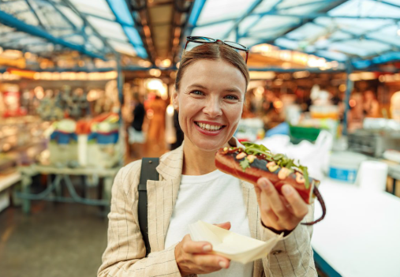

When you visit a new place anywhere in the world, it's more than just sightseeing. Exploring a new culture helps you to better understand the local people, and food is a way into that culture. Around the globe, the types of food on your table and the manner in which you share your food with others illustrates the historical, traditional and societal values of the local culture. Noticing those subtle cultural differences allows a traveler to enhance their journey and establish real bonds with the local population. According to Claudette Rickett Schwartz, looking at a culture's dining traditions can change any trip from tourism to a respectful appreciation of the human experience, and that every local restaurant has a story to tell about the community, the family and how they have survived, and these stories align with many of the insights surrounding the top 50 food capitals.
Cultural dining practices offer deeper insights into all the aspects of being part of an area. Each meal is representative of the culture behind all meals and the shared histories of many generations of people who have come before. By acknowledging the importance of how the meal is eaten, we allow ourselves to participate in that meal as part of our respect for a culture's customs and traditions. Cultural food practices illustrate how food is a very essential part of a culture's identity and is deeply embedded in the community, family and the creation of the culture through hospitality and shared space. By being respectful of these concepts, you may gain more knowledge and understanding about the area in which you are visiting.
The Community Diners
The concept of is present throughout the world and continues to foster togetherness and social bonds. In Ethiopia, it is common for meals to be presented on a large central platter, and family-style. The family all gathers around the platter and tears off pieces of injera (the spongy flatbread) to pick up the spicy stews and vegetables.Across Asia, the Middle East, and Africa, sharing food has encouraged a communal environment in which the meal becomes a shared experience for everyone sitting down to eat. Instead of focusing on the contents of your own plate, sharing food provides an opportunity for all persons to be a part of your meal and enjoy conversations with friends and family around the table. As you travel, it is essential to adapt to the customs of your hosts when sharing meals, as well as to demonstrate respect for the communal aspect of eating together.
Street Food
The street food industry has created an environment filled with creativity and flavour. "Street food" means food that is sold by a vendor who usually operates from a street cart or small, crowded stall on the street. When Travelers purchase food from local street food vendors, they are not only introduced to new flavours but also exposed to the way that people go about their daily lives. According to the Food and Agriculture Organisation of the United Nations, an estimated 2.5 billion people consume street food every day. Street food vendors provide an opportunity for people in the community to take traditional recipes and modify them for easier accessibility; therefore, it is extremely helpful for Travelers to approach these experiences with an open mind and a sense of curiosity to learn more about the various cultures and their street food options. To learn more about street food from around the world, visit National Geographic's article on the Best Food Destinations in the World.
Meals and Meal Times
Cultural practices vary with regard to how people eat and how they view each meal as an important cultural centre. In Mediterranean and Latin American cultures, the most important meal of the day is usually Lunch hour; meals tend to consist of multiple courses and often take place over an extended period of time compared to other cultures. In many parts of Asia, people have midday meals together, which bring families together and encourage teamwork and cooperation between co-workers. While tourists may tend to associate eating dinner with a certain amount of food and occurring at a certain time, it is common for Asian cultures to serve dinner at a much later hour and with a much smaller amount of food than North American cultures.
Use of Local Ingredients
The local environment has a direct relationship with the regional foods of North America and the ingredients that make them up. For example, in Japan, many traditional regional dishes are centered around seasonal ingredients. Kaiseki dining is a perfect example of this. It is a type of meal in which each course features a different seasonal ingredient. This way of cooking has been around for centuries and is typically considered a very sustainable method of preparing food. In addition, in Japan, chefs have developed many ways to prepare and preserve regional ingredients, such as through curing or pickling. The use of local ingredients reflects a long history of adaptation to a specific geographic region and environment, highlighting the close relationship between a culture's food and its environment.
Culinary Rituals and Etiquette
Culinary rituals and etiquette are also influenced by a culture's traditions and history. Many cultural traditions include prescribed eating behaviors, such as when you eat with your left hand, the appropriate way to hold your fork, how to drink from the same cup, and the correct way to stack dirty dishes in the sink. In Japan, for example, slurping your noodles is a sign of appreciation for the chef, while in most Western societies, it is rude to do so. Eating with the right hand is considered courteous and is expected in both India and the Middle East, while in most of Europe, the hands are expected to remain above the table while eating. Awareness of these practices can help travelers develop respectful relationships with the local people and provide an opportunity for rich, personal stories to be shared between fellow diners and hosts.
Food as a Symbol of Hospitality
Sharing food with guests is a universal expression of goodwill, and it is observed everywhere in the world. In many Middle Eastern cultures, coffee and dates are traditionally given to new guests as an expression of hospitality and friendship. In Italy, adding a chair to the table and preparing an ample meal for a new guest expresses love and friendship. Accepting a small cup of tea or a large feast as a gesture of hospitality conveys an appreciation for the importance of hospitality and kindness in both cultures.
Foodways of the Community
There is an increasing desire for travelers to connect with the local community by participating in local foodways when they travel. Examples of how travelers are doing this include taking cooking classes with local chefs, foraging for food with local residents, and shopping at local farmers' markets. Engaging with local residents through local foodways provides travelers with both skills they didn't have before and the opportunity to really experience what life is like for the local people. Through these experiences, travelers create lasting memories and broaden their horizons by connecting history and food in a meaningful way.
Thus, food traditions are a significant part of a society's cultural identity worldwide. A traveler learns more about the culture of a place when he/she experience the local cuisine and how it is prepared and consumed. When one views food as being much more than just fuel for the body, travel becomes a vehicle for entering into the culture and participating within it.
Table of Contents
The Community Diners
Street Food
Meals and Meal Times
Use of Local Ingredients
Culinary Rituals and Etiquette
Food as a Symbol of Hospitality
Foodways of the Community
(0) comments
We welcome your comments
Log In
Post a comment as Guest
Keep it Clean. Please avoid obscene, vulgar, lewd, racist or sexually-oriented language.
PLEASE TURN OFF YOUR CAPS LOCK.
Don't Threaten. Threats of harming another person will not be tolerated.
Be Truthful. Don't knowingly lie about anyone or anything.
Be Nice. No racism, sexism or any sort of -ism that is degrading to another person.
Be Proactive. Use the 'Report' link on each comment to let us know of abusive posts.
Share with Us. We'd love to hear eyewitness accounts, the history behind an article.