
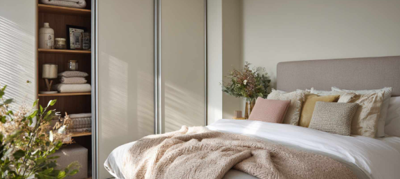

A bedroom can be beautiful and still fail you at 2:37 a.m. Anyone who has stared at the ceiling knows that good sleep is not about one miracle fix. It is about layering thoughtful choices that work together without calling attention to themselves. The most restorative bedrooms feel intentional but not precious, indulgent but grounded in real comfort. When luxury gets it right, it fades into the background and lets your body do what it already wants to do.
A Bed That Does More Than Look Good
Start where every good night begins, with the bed itself. A well-designed bed is not just a visual anchor. It supports your body in a way that makes rest feel inevitable rather than aspirational. High-end mattresses now focus less on buzzwords and more on balance, combining responsive support with materials that regulate temperature and reduce motion transfer. This matters when one person shifts or gets up early, and the other still wants to stay asleep.
Layering matters too. A tailored mattress topper can fine-tune firmness without committing to a full replacement. Sheets woven from long-staple cotton or linen blends soften with time and breathe better than synthetic alternatives. When everything works together, the result is not flashy. It is the subtle ease of sleeping through the night, something that feels rare enough these days to count as a true luxury.
Light Control That Respects Your Rhythm
Lighting often gets treated as an afterthought, but it plays a bigger role in sleep than most people realize. Overhead fixtures should be gentle and adjustable, never harsh. The goal is to create a gradual wind-down, not a sudden blackout. Integrated dimmers allow you to ease from evening routines into rest without signaling your brain to stay alert.
Window treatments deserve equal attention. Custom drapery with proper lining can block early morning light without feeling heavy or theatrical. For rooms that catch street glow or early sunrise, motorized shades offer control without effort. You can set them once and forget about them, which is the point. Good design should remove decisions, not add more.
Sound, Texture, And The Case For Soft Boundaries
A bedroom should feel insulated from the rest of the house, even if it sits right in the middle of it. Upholstered headboards, wall panels, and area rugs do more than add texture. They absorb sound and soften echoes, creating a cocoon-like effect that makes the space feel calmer. This is especially helpful in older homes where sound travels easily.
Furniture placement matters here as well. Nightstands with solid construction reduce vibrations from nearby movement. Even small details, like felt-lined drawers or padded benches at the foot of the bed, contribute to a sense of calm that builds over time. Nothing has to shout. The room just needs to feel held.
Nightstand Rituals That Actually Help
Luxury does not always mean more objects. Sometimes it means choosing the right few and letting them earn their place. A nightstand should support your evening routine without becoming cluttered. A well-shaded lamp, a book you actually want to read, a glass of water, and perhaps one intentional wellness item can be enough.
For some, that includes botanicals designed to support relaxation. The key is accessibility. When something is easy to reach, it becomes part of a habit rather than a forgotten intention. Many people find that keeping a CBN tincture on your nightstand is the right move, not because it promises miracles, but because it fits naturally into the final moments before sleep. The best additions feel seamless, not performative.
Climate Control That Stays Invisible
Temperature can make or break sleep, yet it is rarely discussed in design conversations. A truly restful bedroom maintains a consistent climate without drawing attention to itself. Advanced HVAC zoning allows bedrooms to stay cooler at night while the rest of the house adjusts independently. Radiant floor heating in colder climates keeps mornings comfortable without blasting warm air overnight.
Bedding plays a role here too. Breathable duvets with natural fill adapt better to body temperature than heavy synthetic options. When the room feels right, you stop thinking about it. That is the standard worth aiming for.
Scent As Architecture For Sleep
Scent is one of the fastest ways to change how a room feels, yet it often gets treated like a decorative extra rather than a structural element. In a bedroom, fragrance should never wander or linger aggressively. It should sit low and close, almost like background music you only notice when it stops. Linen sprays, essential oil diffusers with timers, or even a single beeswax candle used briefly before bed can cue the body that the day is ending. The trick is consistency. When the same soft scent appears night after night, your brain starts to associate it with rest without any conscious effort. That kind of conditioning feels subtle, but it is powerful, and it turns the bedroom into a place your body recognizes immediately as safe, familiar, and ready for sleep.
A Sense Of Calm That Comes From Restraint
Perhaps the most overlooked luxury is restraint. A bedroom does not need to showcase everything you love. It needs to support how you want to feel. Limiting artwork to a few meaningful pieces, choosing a restrained color palette, and avoiding overly stimulating patterns all contribute to a space that encourages rest.
This does not mean sterile or boring. It means edited. The rooms that work best feel personal without being busy. They allow your nervous system to settle because nothing is competing for attention.
Where Rest Meets Design
The most successful sleep-focused bedrooms are not built around trends. They are built around the understanding that rest is physical, emotional, and deeply personal. When design choices respect that, luxury becomes less about display and more about function that feels good to live with.
The Last Thing You Notice Before Falling Asleep
A well-designed bedroom does not announce itself when you walk in. It reveals itself slowly, in the way your shoulders drop, in how easily you drift off, in the absence of that familiar restlessness. When luxury supports sleep rather than distracting from it, the room does its job. You fall asleep without ceremony, and that might be the most refined experience of all.


(0) comments
We welcome your comments
Log In
Post a comment as Guest
Keep it Clean. Please avoid obscene, vulgar, lewd, racist or sexually-oriented language.
PLEASE TURN OFF YOUR CAPS LOCK.
Don't Threaten. Threats of harming another person will not be tolerated.
Be Truthful. Don't knowingly lie about anyone or anything.
Be Nice. No racism, sexism or any sort of -ism that is degrading to another person.
Be Proactive. Use the 'Report' link on each comment to let us know of abusive posts.
Share with Us. We'd love to hear eyewitness accounts, the history behind an article.