

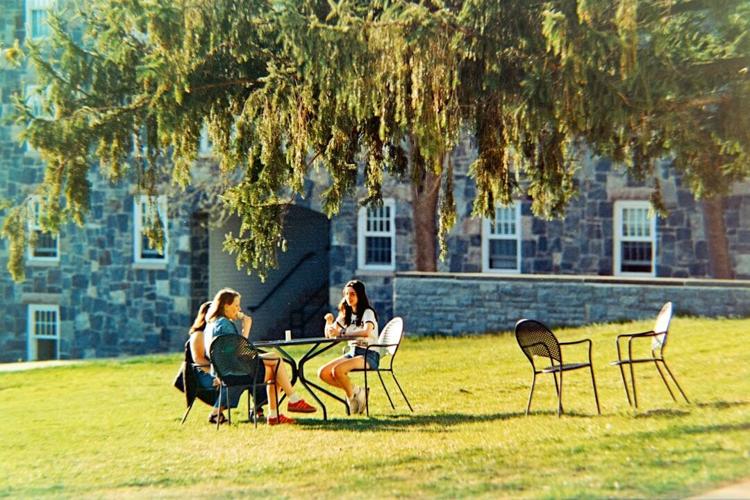
For student engagement, high-quality outdoor environments provide space for relaxation, social interaction, and even collaborative learning. When administrators prioritize functional outdoor seating, they transform unused corners into vibrant community hubs.
Creating these spaces requires a balance between aesthetics and durability. Outdoor furniture must complement the architectural style of the institution and resist the rigors of heavy daily use and changing weather conditions.

The Evolution of Campus Outdoor Spaces
In the past, outdoor campus seating consisted of a few scattered chairs or concrete ledges. Educators recognize that third spaces (areas that are neither the home nor the classroom) are necessary for mental well-being. Students can decompress between lectures or gather for informal study sessions.
Strategic campus planning now integrates landscape architecture with student-centric furniture. Well-designed seating areas encourage students to spend more time on campus, increasing their sense of belonging.
Material Selection for Longevity
When investing in furniture that lasts for decades, opt for the right material. Go for a premium outdoor school bench collection so that the campus remains functional and attractive through every season. Selecting high-grade materials like thermoplastic-coated steel or recycled plastic prevents common issues like rust and fading.
Thermoplastic-coated metal is a popular choice for many educational institutions due to its extreme durability. This coating creates a smooth, non-porous surface that is easy to clean and resistant to graffiti. It remains relatively cool to the touch even in direct sunlight during the hotter months.
Recycled plastic is another excellent option for schools looking to meet sustainability goals. This material does not splinter, rot, or require painting, a low-maintenance solution for high-traffic areas. It provides the look of traditional wood without the environmental cost or the need for frequent replacement.
Designing for Student Well-being
The physical comfort of campus seating directly impacts how long students stay in an area. For those using laptops or heavy textbooks, ergonomically designed benches support better posture. When students are comfortable, they engage in productive discussions and deep focus.
Creating Collaborative Hubs
Group study is a cornerstone of the modern university experience. Seating arrangements that feature benches facing each other or curved configurations naturally facilitate conversation. Placing these hubs near library exits or cafe zones encourages students to continue their academic discussions in the fresh air.
To maximize utility, these collaborative areas should be located near power outlets or have high-quality Wi-Fi coverage. Providing the infrastructure for digital learning makes outdoor seating a viable alternative to crowded indoor computer labs. This flexibility is highly valued by students who prefer a less restrictive learning environment.
Solo Study Sanctuaries
For those who want some quiet spots for individual reflection and reading, single-entry benches or seating tucked away in garden alcoves provide the privacy necessary for concentrated work. These sanctuaries allow students to focus when the noise of busy campus corridors is too much to handle.
Landscape designers use tall planters or natural hedges to create a sense of enclosure for these solo spots. This biophilic" design, incorporating nature into the built environment, has been shown to reduce stress and improve cognitive function. A well-placed bench under a canopy of trees can become a favorite spot for many students.
Accessibility and Inclusive Design
A useful campus area is one that everyone can enjoy. Accessibility should never be an afterthought when installing new seating. There should be clear, paved pathways leading to every bench, and the seating itself should not obstruct wheelchair movement.
Inclusive design should provide a variety of seating heights and styles. Benches with backrests and armrests offer support for students with mobility challenges or those who find it difficult to stand up from lower positions. The campus will demonstrate its commitment to the well-being of its entire community.
Strategic Placement for Maximum Utility
Placing benches in random locations rarely results in high usage. Administrators should observe natural foot traffic patterns to identify where students naturally congregate or wait between classes.
High-utility areas include:
Transit stops and shuttle pick-up points.
Near the entrances of major lecture halls.
Adjacent to sports fields and recreational zones.
Courtyards that receive a balance of sun and shade.
Students utilize seating that overlooks a pleasant vista, such as a well-kept lawn or a campus monument. Avoiding dead zones like parking lot edges or noisy service entrances so that the furniture is actually put to good use.
Sustainability and Environmental Impact
Modern students are conscious of environmental issues and expect their institutions to reflect these values. Choosing furniture made from sustainable sources or recycled materials is a visible way to demonstrate this commitment. It turns the campus itself into a living example of ecological responsibility.
The longevity of the furniture contributes to sustainability. Pieces that last for twenty years instead of five reduce the total carbon footprint of the campus. Investing in quality over quantity minimizes waste, and resources are used the right way.
Maintenance and Upkeep
To keep campus areas looking professional, a regular maintenance schedule is a must. Even the most durable materials require occasional cleaning to remove dust, pollen, and spills. A quick power wash once or twice a year can keep metal and plastic benches looking brand new for years.
Fastening systems should be checked periodically. Whether the benches are surface-mounted to concrete or inground-mounted, they can secure prevents accidents and discourage theft. Proactive maintenance is always more cost-effective than reactive repairs or full replacements.
Future-Proofing Campus Spaces
Campus areas must remain adaptable. Modular seating systems are an excellent way to future-proof an outdoor space. These pieces can be moved and reconfigured to accommodate different event sizes, from small club meetings to large outdoor lectures.
For better sustainability, many educational institutions are now opting for furniture made from recycled content to meet green building standards. Demonstrating a commitment to the environment through purchasing choices sets a positive example for the students and the wider community.

When a campus prioritizes well-designed seating, it invests in top-quality furniture and its community. The result is a more vibrant, connected, and productive environment that supports the diverse needs of every individual. With a thoughtful campus design, every student has a place to sit, learn, and succeed.
(0) comments
We welcome your comments
Log In
Post a comment as Guest
Keep it Clean. Please avoid obscene, vulgar, lewd, racist or sexually-oriented language.
PLEASE TURN OFF YOUR CAPS LOCK.
Don't Threaten. Threats of harming another person will not be tolerated.
Be Truthful. Don't knowingly lie about anyone or anything.
Be Nice. No racism, sexism or any sort of -ism that is degrading to another person.
Be Proactive. Use the 'Report' link on each comment to let us know of abusive posts.
Share with Us. We'd love to hear eyewitness accounts, the history behind an article.