
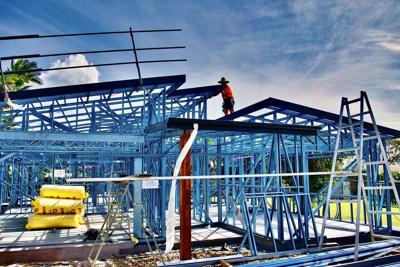
Preparing land for a steel building is one of the most important parts of the entire project. When the ground is ready, construction moves faster, crews stay efficient, and surprise expenses stay low. Many delays that people blame on the building actually begin with poor site preparation.

This guide shares practical tips you can follow before the first post ever stands upright. Each step is written in simple English and aimed at saving real time and real money. Whether the structure is for storage, farming, business, or personal use, these ideas help create a smoother path from dirt to done.
Tip No. 1: Walk the property with purpose
Take time to physically explore the land. Notice high and low spots, soft areas, existing vegetation, and how vehicles currently enter or leave. A slow walk with a notepad can reveal challenges that drawings may miss. Photos help when talking with contractors. Clear visuals reduce confusion and make it easier to compare bids. Everyone understands the expectations from day one. Pay attention to neighboring properties. Water, noise, or access routes can affect them during construction. Planning with awareness keeps relationships positive and avoids disputes.
Tip No. 2: Build a pad that works from day one
A well-prepared pad supports the full weight of the structure and everything that will go inside it. Taking shortcuts here can lead to uneven floors, sticking doors, and stress on the frame over time. Many owners who purchase from Armstrong share engineered drawings with their excavation crew before work begins. When measurements and elevations are clear, the finished pad matches the building perfectly. Compaction is just as important as level ground. Properly packed material resists settling and helps concrete cure evenly. Investing in good equipment and skilled operators brings lasting results.
Tip No. 3: Guide rainwater away from your investment
Water will always follow gravity. If the surrounding soil slopes toward the slab, moisture problems are almost guaranteed. Smart grading directs runoff outward and keeps the base dry. Downspouts should push water several feet from the perimeter. Extensions, splash pads, or underground drains help stop erosion. These additions are simple during early work and harder after landscaping is complete. Some properties benefit from swales or French drains. These systems move large volumes of water safely across the site. They also protect driveways and parking areas from washouts. Checking local regulations is wise. Certain regions require drainage plans, and knowing the rules early prevents inspection trouble.
Tip No. 4: Create space for trucks and crews
Delivery day runs smoother when vehicles have room to maneuver. Steel packages are heavy and often long. Drivers need clear paths free from tight turns or low branches. Staging areas give installers space to organize materials. When parts are easy to reach, assembly speeds up, and labor costs drop. Efficiency rises across the entire schedule. Temporary roads or extra gravel may be needed for soft ground. Supporting equipment weight protects both the machinery and the property surface.
Tip No. 5: Handle utilities while the ground is open
Running power or plumbing after concrete cures can become expensive and messy. Planning routes in advance allows trenches and sleeves to be placed at the right depth and location. Coordinating early with electricians and professional plumbing services helps ensure everything lines up with the future layout of the building. Think about how the interior will function. Equipment placement, lighting, and office areas influence where connections should emerge. Mapping this early supports future productivity. Adding spare conduit offers flexibility. Expansion or technology upgrades become far easier when pathways already exist.
Tip No. 6: Prepare for permits and inspections
Paperwork might not involve heavy machinery, yet it shapes the timeline in major ways. Local authorities may require soil reports, grading approvals, or environmental reviews. Knowing what applies to your project keeps progress steady. Inspectors appreciate organized sites. Marked boundaries, clear access, and visible documentation make their job easier. Positive interactions can speed approvals. Keeping copies of permits on hand avoids confusion. Quick answers prevent work stoppages and help crews stay focused.
Key Positives of Smart Groundwork
Proper preparation creates momentum. Builders can arrive, set columns, and move forward without pausing to fix land issues. Clear grading, marked access routes, and organized materials also support strong construction site safety, helping crews work confidently from the first day.
Budgets benefit as unexpected corrections decrease. Money once reserved for emergencies can support upgrades or additional features. A stable, well-prepared environment lowers risks, protects equipment, and keeps everyone focused on productive tasks instead of avoidable hazards.
Ground Ready, Game On
Getting the land ready may seem like background work, yet it carries a huge influence over the success of a steel building. Careful evaluation, accurate grading, thoughtful drainage, and early utility planning form the backbone of a trouble-free build. Put energy into the dirt before the steel rises. Your schedule, your wallet, and your future self will all appreciate the effort.

(0) comments
We welcome your comments
Log In
Post a comment as Guest
Keep it Clean. Please avoid obscene, vulgar, lewd, racist or sexually-oriented language.
PLEASE TURN OFF YOUR CAPS LOCK.
Don't Threaten. Threats of harming another person will not be tolerated.
Be Truthful. Don't knowingly lie about anyone or anything.
Be Nice. No racism, sexism or any sort of -ism that is degrading to another person.
Be Proactive. Use the 'Report' link on each comment to let us know of abusive posts.
Share with Us. We'd love to hear eyewitness accounts, the history behind an article.