
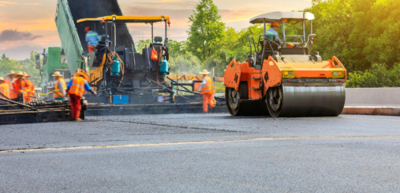

In urban areas, roads are essential for keeping the city moving. Taking care of them is key to smooth traffic, safety, and overall quality of life. As cities expand and traffic grows, maintaining road infrastructure becomes even more critical. This requires a variety of techniques to manage roads effectively. Whether it's fixing potholes, ensuring safety, or controlling construction-related dust, the right maintenance methods greatly improve urban living.
Cities adapt and innovate in road maintenance to meet these challenges. By understanding these methods, both urban planners and residents can see the importance of keeping roads in good condition. Let's look at how you can help maintain our urban roads!
Pavement Preservation
Pavement preservation extends the life of existing roads without major reconstruction. This includes techniques like crack sealing, surface treatments, and micro-surfacing. Crack sealing fills cracks to prevent water from damaging the road. Surface treatments, such as chip sealing, add a protective layer that improves safety and reduces the need for costly repairs later on.
Micro-surfacing applies a thin layer to restore the road's function. It improves appearance and is a cost-effective way to minimize traffic disruptions. By using these preservation strategies, cities can maintain roads in great condition while keeping maintenance costs down.
Dust Control Solutions
In urban areas, dust is often a problem, especially during construction or road repairs. Good dust control solutions help maintain air quality and reduce harmful particles that can hurt residents' health. Simple solutions include adding moisture to construction sites or using dust suppressants to prevent particles from being airborne.
Investing in these dust control measures not only cuts complaints but also helps create a healthier environment. Cities that focus on dust control improve air quality for their residents. This proactive approach benefits the public and enhances the community's image, showing that small actions can lead to big improvements in city life.
Asphalt Recycling
Asphalt recycling offers a sustainable way to repair roads, allowing cities to save resources while ensuring quality. Instead of disposing of old asphalt during resurfacing, cities can reclaim and reuse it. This process involves milling the old asphalt, removing it, and heating it to create new pavement. This approach not only reduces material use but also reduces environmental impact.
Recycling asphalt can significantly lower a city's costs. Savings can be redirected to other infrastructure projects or essential services. Additionally, reusing asphalt supports the sustainability goals that many urban areas strive for.
Innovative Materials
Recent advancements in materials help make road maintenance more effective. For example, permeable pavements allow better water drainage and help reduce flooding, making them suitable for cities. Likewise, using liquid magnesium chloride can lessen environmental damage and lower the chances of road issues during bad weather.
Using recycled materials in construction can save money and reduce waste, benefiting cities. New materials are designed to withstand heavy traffic and extreme weather, extending pavement life and reducing repairs. By adopting these innovative materials, cities support sustainability and improve infrastructure.
Concrete Repair Techniques
Concrete roads are durable but can still wear out over time. To keep them safe and functional, we need a range of repair techniques. One common method is patching, which quickly fixes specific damaged areas. Sealing joints helps prevent moisture from entering, which can cause cracks and further damage.
Another effective option is high-performance concrete, designed to resist cracking and environmental damage. This provides a long-term solution, avoiding frequent repairs. Fast-setting concrete allows for quick repairs, reducing road closure times and traffic disruptions. Investing in these repair techniques keeps our streets safe and usable for everyone.
Traffic Management Solutions
For roads to work well, we need good traffic management. Intelligent transportation systems (ITS) help monitor and manage road conditions in real time. This technology can reduce traffic jams, improve safety, and optimize maintenance work. For example, sensors can track traffic flow and adjust signals to keep vehicles moving smoothly.
Regularly checking traffic patterns helps cities schedule maintenance in the areas that need it most. By using technology in traffic management, cities can improve road safety and allocate resources effectively. This leads to better maintenance practices over time.
The techniques used for road maintenance in large cities demonstrate a commitment to safety, efficiency, and environmental protection. The variety of methods, from preservation techniques to dust control, illustrates how cities can manage urban infrastructure effectively. Next time you drive through your city, appreciate the effort that goes into keeping the roads in good condition. Well-maintained roads are essential for better city living.
Post a comment as Guest
Report
Watch this discussion.
(0) comments
We welcome your comments
Log In
Post a comment as Guest
Keep it Clean. Please avoid obscene, vulgar, lewd, racist or sexually-oriented language.
PLEASE TURN OFF YOUR CAPS LOCK.
Don't Threaten. Threats of harming another person will not be tolerated.
Be Truthful. Don't knowingly lie about anyone or anything.
Be Nice. No racism, sexism or any sort of -ism that is degrading to another person.
Be Proactive. Use the 'Report' link on each comment to let us know of abusive posts.
Share with Us. We'd love to hear eyewitness accounts, the history behind an article.