
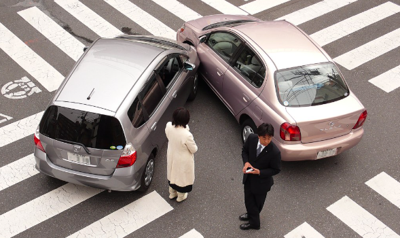
A staggering number of collisions occur every year, leaving victims with not only physical injuries but also confusion about whose fault the accident is.
If you've ever wondered about your rights and legal options after a collision, you're not alone. Today we'll demystify the subject of liability in traffic accidents involving public and private vehicles!
Understanding Liability
Liability refers to the legal responsibility one holds for the consequences of certain actions or events. In the context of traffic accidents, determining who is at fault can be complicated, particularly in incidents involving both public and private vehicles.
Public vehicles, such as buses, fire trucks, and police cars, have different regulations and responsibilities compared to private vehicles, which typically belong to individuals.
It also involves different insurance policies, such as police car accident insurance.
What Factors Influence Liability?
Several key factors can determine liability in a traffic accident:
Driver Negligence
A driver may fail to adhere to traffic laws, such as speeding or running a red light. In that case, they may be found liable for an accident.
Vehicle Maintenance and Traffic Conditions
Poorly maintained vehicles can lead to accidents. If a public vehicle experiences mechanical failure due to neglect, that could influence liability.
Weather conditions, road work, and traffic conditions can all affect how an accident unfolds.
Purpose of Vehicle Use and Witness Accounts
Public vehicles often have a duty to serve the community. If an accident occurs during this duty, different rules may apply compared to a personal vehicle.
And eyewitness testimonies can be crucial in establishing fault.
Public vs. Private Vehicles
Public vehicles are generally operated by government employees, which can complicate the claims process.
For example, if a city bus is involved in an accident, your claim may need to be filed against a government entity, which often has its own specific process and restrictions.
On the other hand, private vehicle accidents typically involve individual liability or insurance claims. Navigating the aftermath of an accident involving these vehicles can be less convoluted, although insurance companies may still deny claims or offer unfair settlements.
What Should You Do After an Accident?
After a traffic collision, your first steps are crucial. Here's what you should do:
Seek Medical Attention: Prioritize your health and well-being
Document the Scene: Take photos and gather information from the other driver
Notify Your Insurance: Contact your provider to file a claim
Consult an Attorney: Talking to a legal professional who specializes in traffic accidents can be invaluable
Keep Records: Maintain documentation related to your medical treatment and any communications with insurers
Understanding Your Rights
Understanding your rights after a traffic accident, like a car accident with a police car, is essential. Victims often have the right to seek compensation for medical bills, lost wages, and emotional distress. For instance, filing a police car accident report may lead to substantial compensation.
Your Path After a Collision
Being involved in a traffic accident can be a confusing and stressful experience. However, with a solid understanding of liability in traffic accidents, especially regarding public and private vehicles, you can approach the situation with more confidence.
Take proactive measures to safeguard your rights and seek legal options that work best for your police car accident claim. And for more info on a variety of topics, check out the rest of our site!

(0) comments
We welcome your comments
Log In
Post a comment as Guest
Keep it Clean. Please avoid obscene, vulgar, lewd, racist or sexually-oriented language.
PLEASE TURN OFF YOUR CAPS LOCK.
Don't Threaten. Threats of harming another person will not be tolerated.
Be Truthful. Don't knowingly lie about anyone or anything.
Be Nice. No racism, sexism or any sort of -ism that is degrading to another person.
Be Proactive. Use the 'Report' link on each comment to let us know of abusive posts.
Share with Us. We'd love to hear eyewitness accounts, the history behind an article.