
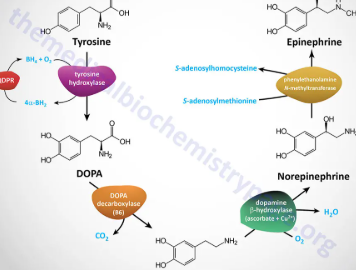
Enzymes are the control system of human biology. They regulate nearly every metabolic reaction, from breaking down nutrients to repairing tissue and producing cellular energy. When enzyme activity is optimized, the body feels efficient, resilient, and responsive. When it is not, even basic functions like energy production, digestion, and recovery can feel sluggish.
A less discussed but important layer in this system is the role of amino acid derivatives in supporting enzyme activation processes. These modified compounds do not simply serve as building blocks. They influence how enzymes fold, activate, stabilize, and interact with metabolic pathways.
Understanding this relationship helps explain why some individuals respond well to nutrition and supplementation while others experience inconsistent or limited results.
How Enzyme Activation Works in Biological Systems
Enzymes are proteins that speed up biochemical reactions without being consumed in the process. However, most enzymes are not active by default. They often exist in inactive or partially active forms and require specific conditions or molecules to become fully functional.
This activation process can involve structural changes, binding with cofactors, or interaction with specific metabolites. Once activated, enzymes become highly efficient catalysts that regulate metabolic flow.
Amino acids and their derivatives are deeply involved in this system. They influence enzyme structure, assist in cofactor binding, and help maintain the biochemical environment required for optimal activity.
Without proper activation support, enzymes may remain underperforming, even if they are present in sufficient quantity.
How Amino Acid Derivatives Influence Enzyme Function
Amino acid derivatives can affect enzyme activity in several important ways. One of the primary mechanisms is structural stabilization. Certain derivatives help maintain the correct folding of enzymes, which is essential for their catalytic function.
Another mechanism involves allosteric modulation. Some amino acid derivatives bind to enzymes at non-active sites, subtly changing their shape and enhancing or regulating activity. This allows for fine-tuned control of metabolic pathways.
Amino acid derivatives also contribute to cofactor interaction. Many enzymes require vitamins or mineral cofactors to function. Derivatives can help stabilize these interactions, improving the efficiency of enzyme activation.
Additionally, they can influence the cellular environment, such as pH balance and redox state, which directly impacts enzyme performance.
Together, these effects create a more favorable biochemical environment for enzyme activation and sustained metabolic activity.
Common Pain Points Linked to Poor Enzyme Activation
When enzyme activation is suboptimal, the effects are often widespread and misattributed to general fatigue or aging.
One common issue is low energy despite adequate nutrition. This often indicates that enzymes involved in energy metabolism are not functioning efficiently, limiting ATP production.
Another frequent problem is slow digestion or poor nutrient absorption. Digestive enzymes may be underactive, leading to incomplete breakdown of food and reduced nutrient availability.
Recovery delays are also common. When proteolytic and metabolic enzymes are not properly activated, tissue repair processes slow down significantly.
Cognitive inconsistency can also occur, as enzymes involved in neurotransmitter metabolism fail to maintain stable signaling balance.
These issues often persist even with lifestyle improvements because the underlying problem is enzymatic inefficiency rather than nutrient deficiency alone.
Key Ways Amino Acid Derivatives Support Enzyme Activation
Amino acid derivatives contribute to enzyme activation through several interconnected mechanisms.
One important function is maintaining structural integrity. Enzymes must maintain precise three-dimensional shapes to function correctly, and amino acid derivatives help stabilize these structures under metabolic stress.
Another role is enhancing catalytic efficiency. By influencing enzyme conformation, derivatives can improve reaction speed and consistency within metabolic pathways.
They also help regulate enzyme turnover. Some derivatives contribute to controlled activation and deactivation cycles, ensuring enzymes are used efficiently without excessive metabolic strain.
In addition, they support redox balance. Many enzyme systems depend on oxidative-reductive conditions, and amino acid derivatives help stabilize these environments for optimal function.
These combined effects contribute to smoother metabolic performance across multiple biological systems.
Why Enzyme Activation Becomes Less Efficient Over Time
Enzyme inefficiency is often associated with aging, but it is more accurately linked to cumulative metabolic stress and environmental factors.
Oxidative stress can damage enzyme structures, reducing their ability to activate or function properly. This leads to slower metabolic reactions and reduced efficiency.
Chronic inflammation also interferes with enzyme signaling pathways, disrupting normal activation cycles.
Nutrient deficiencies play a significant role as well. Many enzymes require amino acid-derived cofactors or structural support molecules to function correctly. Without them, activation becomes incomplete or unstable.
Lifestyle factors such as poor sleep, high stress, and irregular nutrition further reduce enzymatic responsiveness over time.
These disruptions accumulate, gradually reducing metabolic efficiency and recovery capacity.
Strategies to Support Enzyme Activation Naturally
Supporting enzyme activation requires a combination of nutritional, metabolic, and lifestyle approaches.
Adequate intake of essential amino acids is foundational, as they provide the raw material needed for enzyme synthesis and stabilization.
Micronutrients such as magnesium, zinc, and B vitamins are also critical, as they act as cofactors in many enzymatic reactions.
Managing oxidative stress through diet and lifestyle helps preserve enzyme structure and function over time.
Regular physical activity improves enzyme responsiveness by enhancing mitochondrial efficiency and metabolic flexibility.
Balanced meal timing and nutrient distribution can also help optimize enzyme activation cycles throughout the day.
From a biochemical research perspective, amino acid derivatives and peptide-based compounds are being studied for their potential to improve enzyme stability and activation efficiency under stress conditions.
Research Context and Peptide-Based Applications
In biochemical research, enzyme activation processes are a major area of interest, particularly in understanding how small molecular changes can influence large-scale metabolic outcomes.
Amino acid derivatives are being studied for their ability to modulate enzyme behavior, improve structural stability, and support more predictable metabolic responses.
Peptides are especially important in this area because they can interact directly with enzymes and influence activation pathways in precise ways.
Biohack Labs operates within this scientific space by supplying highly purified peptides, proteins, and amino acid derivatives designed for controlled research applications. Their focus on purity and synthesis accuracy allows researchers to observe enzyme interactions without interference from inconsistent compound quality.
As research advances, amino acid derivatives may become a key tool in understanding and optimizing enzyme activation processes in metabolic science.
Future Directions in Enzyme Activation Research
Future research is moving toward highly targeted metabolic control, where enzyme activity can be supported or modulated with precision molecular tools.
One emerging focus is understanding how specific amino acid modifications influence enzyme folding and activation thresholds.
Another area of interest is personalized enzymology, where individual differences in enzyme expression and activity guide tailored metabolic support strategies.
There is also growing exploration of peptide-enzyme interaction systems that could enhance activation efficiency in stress-related or high-demand biological states.
As these fields develop, enzyme activation will increasingly be viewed as a dynamic, modifiable process influenced by molecular-level interactions rather than a fixed biological trait.
FAQ
What is enzyme activation?
It is the process by which enzymes become fully functional and capable of catalyzing biochemical reactions.
How do amino acid derivatives support enzymes?
They help stabilize enzyme structure, improve activation efficiency, and support optimal biochemical conditions.
Why do enzymes become less efficient?
Factors like oxidative stress, inflammation, nutrient deficiencies, and aging can reduce enzyme performance.
Can enzyme activity affect energy levels?
Yes, since enzymes regulate energy metabolism, their efficiency directly impacts cellular energy production.
Are amino acid derivatives used in research?
Yes, they are widely studied for their role in metabolic regulation and enzyme function optimization.


(0) comments
We welcome your comments
Log In
Post a comment as Guest
Keep it Clean. Please avoid obscene, vulgar, lewd, racist or sexually-oriented language.
PLEASE TURN OFF YOUR CAPS LOCK.
Don't Threaten. Threats of harming another person will not be tolerated.
Be Truthful. Don't knowingly lie about anyone or anything.
Be Nice. No racism, sexism or any sort of -ism that is degrading to another person.
Be Proactive. Use the 'Report' link on each comment to let us know of abusive posts.
Share with Us. We'd love to hear eyewitness accounts, the history behind an article.