
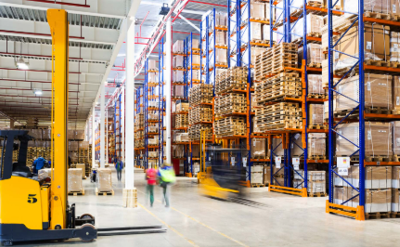

Managing warehouse inventory can be challenging for beginners, but it doesn't have to be. Whether you manage a small space or a large warehouse, a clear plan can help. By developing good habits and using effective tools, you can manage your inventory and streamline your operations.
Start with a solid plan to organize your warehouse. Arrange your products to match your workflow. Use shelves, bins, and pallets to sort items by type, size, or how often you use them. Set aside specific areas for receiving, storing, and shipping goods to keep everything running efficiently.
Labelling is key to staying organized. Clear labels help you find items quickly. Think about using colour-coded labels or barcodes for easy identification. This saves time when picking and packing and makes it easier to track stock levels.
Let's learn more about how to manage warehouse inventory.
Inventory Tracking Systems
Investing in an inventory tracking system can make a big difference. Many software options fit various business needs. These tools let you monitor stock levels in real-time, spot trends, and predict future needs. Digital tools also reduce mistakes, simplifying your management process.
Along with software, consider using RFID technology or barcode scanning. These methods accurately track inventory movements. By scanning items when you check them in and out, you keep your inventory up to date without relying only on manual counts.
Regular Audits
Set up a routine for inventory audits to improve your management efforts. Schedule counts regularly to ensure your records match your actual stock. Cycle counting, where you count a portion of your inventory at set intervals, works well in larger warehouses.
Auditing helps you find issues and assess your inventory management methods. If you notice discrepancies, investigate them right away. Are items misplaced, or is there another problem? Addressing these challenges early helps you maintain accurate inventory.
Space Management
Using space effectively is crucial in warehouse management. Evaluate your layout to make the best use of available space. Vertical storage solutions, like racks or shelves, can free up floor space and keep things organized. Creating clear paths for movement also saves time during picking or restocking.
Think about using a tilting lift table to safely and effectively use vertical space. These tables help lift heavy items to a comfortable height, making picking and packing easier. This approach improves workflow and reduces strain on your team.
Inventory Categories
Organizing your inventory into categories helps you see which items sell quickly and which ones don't. Place fast-moving items where they are easy to reach, while slower-moving items can go in less accessible spots. This way, you can quickly get to your most popular products, making customers happier.
Be specific when categorizing. If a product has many variations, break them down further to better understand demand. This detail helps you make smart choices about restocking, promotions, and whether to stop selling underperforming products.
Double Scissor Lift Table
A double scissor lift table is a helpful tool for managing warehouse inventory. It helps you move heavy loads and allows for better height adjustments in your operations. Using this lift lets you safely raise items to high storage areas without straining your team or damaging the goods.
This equipment is versatile and works well for tasks like moving and storing heavy machinery or bulk products. The lift can be quickly adjusted to different heights, which makes picking and packing easier and improves workflow. It plays an important role in providing fast access to items stored high up, especially in busy warehouses.
Educate Your Team
Training your team is key for good warehouse management. Investing time in training boosts productivity and creates a safe workplace. Ensure all team members understand the inventory procedures and how to use the provided tools. Holding regular training sessions keeps everyone informed about new technologies or processes.
Encourage open communication where team members can share concerns or suggest improvements. The people working in the warehouse often have valuable insights.
Managing inventory doesn't have to be difficult. By focusing on organization, using the right tools, and training your team, you can build a successful warehouse operation. It's important to make adjustments as needed, but small improvements can lead to significant results. The right tools and strategies will help you manage the complexities of warehouse operations efficiently.

(0) comments
We welcome your comments
Log In
Post a comment as Guest
Keep it Clean. Please avoid obscene, vulgar, lewd, racist or sexually-oriented language.
PLEASE TURN OFF YOUR CAPS LOCK.
Don't Threaten. Threats of harming another person will not be tolerated.
Be Truthful. Don't knowingly lie about anyone or anything.
Be Nice. No racism, sexism or any sort of -ism that is degrading to another person.
Be Proactive. Use the 'Report' link on each comment to let us know of abusive posts.
Share with Us. We'd love to hear eyewitness accounts, the history behind an article.