
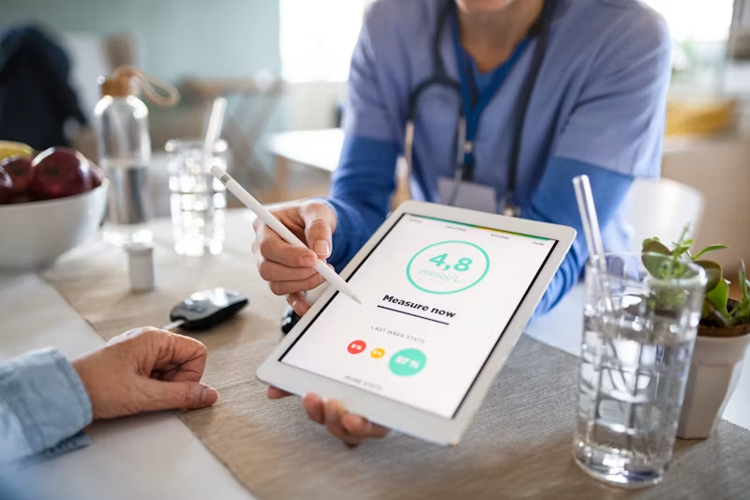


Digital tools are no longer optional additions for medical clinics. Today, software acts as the primary gateway for clinical care. Patients expect immediate communication, clear schedules, and simple records access. This shift means professional healthcare app development has become essential for survival. This practical guide shows how platforms build deep trust and ensure seamless care continuity. Doctors can optimize patient access and increase day-to-day provider efficiency simultaneously. Apps change how people view clinical operations completely. They make medicine transparent, reliable, and continuously accessible. Modern medical services rely heavily on these tools to function well.
Why Medical Services Are Moving Toward App-Based Care
Patients want healthcare to mirror the speed of modern retail or banking. Long hold times on clinic phone lines frustrate people. Recent surveys show that 74% of patients prefer digital scheduling options over calling a front desk. Telehealth adoption spiked significantly over the last few years, creating a permanent shift in behavior. People now expect to see a certified doctor via video within minutes. Faster communication reduces anxiety and prevents missed follow-up steps. Meanwhile, local clinics face unprecedented administrative pressure. Medical receptionists spend hours answering repetitive questions and manual booking requests every shift. Shifting these tasks to software relieves daily operational strain immediately. Investing in mobile health app development allows medical groups to automate scheduling and triage basic patient inquiries. This change directly improves clinical capacity and safety. Doctors can dedicate more hours to complex cases instead of handling paperwork. This transition is driven by a practical need for operational survival, not just a desire for modern gadgets.
How Healthcare Apps Improve the Patient Experience
Modern medical applications completely alter how individuals interact with their care plans. Patients no longer need to wait for physical mail or return phone calls to receive vital health data from busy clinics. Instead, they handle their medical lives directly from their personal mobile phones. Studies reveal that automated reminders reduce missed appointments by up to 42%, which significantly keeps treatments on schedule. Dedicated software gives patients complete autonomy over their medical timelines. Effective app development healthcare models prioritize several core patient-facing capabilities:
- Direct appointment scheduling that displays real-time doctor availability.
- Instant access to certified lab results and historic diagnostic trends.
- Secure text messaging for non-emergency inquiries with care teams.
- Simple prescription refill requests sent straight to local pharmacies.
- Automated medication alerts that help individuals follow care plans accurately.
By consolidating these functions, apps remove massive friction from standard medical interactions completely. Patients feel more connected to their clinics. They stay informed about their ongoing health statuses without enduring long administrative delays. This access creates an open, transparent environment where patients become active participants in their recovery.
Easier Access Before, During, and After Appointments
The medical journey often stalls before a patient even sees a doctor. Filling out lengthy paper intake forms in waiting rooms creates immediate friction. Modern mobile healthcare application development targets these specific pain points directly. Patients fill out forms at home before their visit starts. During the appointment, the app coordinates scheduling for subsequent lab work seamlessly. After leaving the clinic, the platform delivers follow-up instructions directly to the user’s screen. Patients do not have to guess about care anymore. This continuous connection eliminates gaps where care paths normally fail. It makes medical navigation simple, logical, and thoroughly reliable.
How Apps Support More Efficient Clinical Workflows
Hospital administrative teams face severe daily logjams that slow down care. Staff spend hours confirming schedules, writing down medical histories, and calling patients who forgot their appointments. Research proves that clinic administrative errors account for nearly 25% of hospital workflow delays globally. Implementing a robust plan for health mobile app development changes these internal dynamics drastically. When patients input data into an app themselves, manual data entry errors plunge instantly. Front-desk teams no longer spend half their day on tedious phone calls. Nurses gain instant access to accurate patient-reported symptoms before walking into the exam room. Physicians review clean digital files instead of searching for fragmented paper charts in back rooms. This digital ecosystem links front-desk teams, nursing staff, and doctors seamlessly. Communication becomes unified rather than scattered across sticky notes, paper logs, and disconnected emails. Missed appointments drop because systems send automatic push notifications to patient devices. Staff can dedicate their energy to clinical tasks rather than hunting down records. Operations run smoothly, and daily workplace stress drops for everyone involved in patient care.
Better Coordination Between Patients and Care Teams
Miscommunication often derails complex chronic disease management programs. Specialized android healthcare app development builds reliable pathways for organizing continuous communication. Care teams track urgent medical requests inside a single centralized dashboard. They share real-time recovery updates without playing endless rounds of phone tag daily. The software collects comprehensive patient information through digital daily symptom logs effortlessly and safely. It acts as a single source of clinical truth for the entire care team. Nurses and specialists see identical patient timelines instantly. This high visibility prevents dangerous conflicting advice and duplicate testing across different departments. It keeps medical interactions highly structured, timely, and focused entirely on patient safety metrics.
Why Professional Healthcare App Development Matters
Building a commercial retail app is vastly different from building medical software solutions. Standard platforms tolerate occasional bugs, but medical errors compromise patient safety. Regulatory bodies impose massive financial penalties for data security failures. Reports show that healthcare data breaches cost an average of 10.9 million dollars per incident, making security the top priority. True medical mobile application development demands absolute compliance with HIPAA and local privacy mandates. Data encryption must protect sensitive medical records during transit and storage. Beyond security, usability determines whether patients actually adopt the platform. Apps must feature intuitive layouts that elderly or disabled users can navigate comfortably. If an app feels frustrating or slow, patients abandon it within days. The tool must also integrate cleanly with existing hospital infrastructure. Engineers specializing in healthcare mobile development focus heavily on these backend connections. The software must sync directly with Electronic Health Records (EHR) systems to prevent dangerous data silos. Trust depends entirely on how well the tool fits into existing medical practices. Doctors refuse to recommend tools that disrupt their daily routines. Professional engineering ensures the software operates as a natural, highly secure extension of physical clinical spaces everywhere.
What Features Define a Useful Modern Healthcare App

A successful medical application relies entirely on highly functional utilities built for users. It avoids decorative elements and focuses on direct utility. Medical groups must incorporate patient profiles that consolidate medication histories and allergies securely. Appointment management engines let users modify visits without direct clinic intervention. Telehealth video components provide high-definition virtual consultations directly within the software interface. Secure messaging portals allow patients to query care teams safely. Automated push notifications alert users about upcoming visits and prescription renewals. Seamless payment portals allow instant billing resolution via mobile screens. These features require deep integration with Electronic Health Record systems to operate correctly. Data analytics dashboards help administrators track clinic usage patterns and identify service bottlenecks. Research shows that integrating automated billing tools increases collection rates by 35%. Modern application development in healthcare centers on merging these specific tools into a unified user experience. When organizations invest in app development for the healthcare industry, they must focus on tools that solve concrete service problems. Every feature must reduce administrative overhead or enhance care accuracy directly. Useful apps simplify essential healthcare interactions.
What Healthcare Organizations Should Consider Before Launching an App
Launching software requires rigorous preparation. Executives must identify who uses the system daily and how it impacts clinical operations. Security compliance mandates must be addressed from day one. Statistics indicate that 60% of technical projects fail due to poor internal adoption. Teams must plan for continuous software maintenance and server updates after launch. Successful mobile medical application development demands a clear strategy for training hospital staff. Medical workers must understand how the tool assists their routines rather than complicating them. Modern healthcare applications development should focus entirely on solving defined workflow breakdowns. Medical groups should never launch an app simply to mimic competitors. A tool succeeds only when it resolves specific service problems for patients and doctors. Prioritizing these operational elements ensures that your investment in professional healthcare app development yields genuine clinical utility.

(1) comment
Amazing article, well written
(Edited by staff.)We welcome your comments
Log In
Post a comment as Guest
Keep it Clean. Please avoid obscene, vulgar, lewd, racist or sexually-oriented language.
PLEASE TURN OFF YOUR CAPS LOCK.
Don't Threaten. Threats of harming another person will not be tolerated.
Be Truthful. Don't knowingly lie about anyone or anything.
Be Nice. No racism, sexism or any sort of -ism that is degrading to another person.
Be Proactive. Use the 'Report' link on each comment to let us know of abusive posts.
Share with Us. We'd love to hear eyewitness accounts, the history behind an article.