
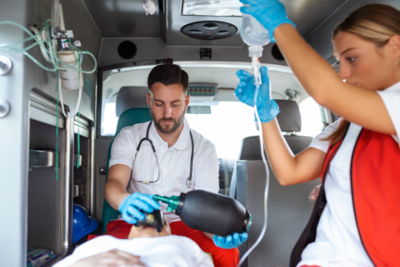

When people think about medical emergencies in hospitals, the image is… pretty standard. They usually picture doctors rushing down hallways. Or maybe teams working frantically to save a patient. What most people don’t see is the amount of preparation that happens long before an emergency ever occurs.
In reality, handling a crisis in the ward isn’t just about reacting quickly. It’s about training, teamwork, and making sure everyone knows exactly what to do when things suddenly take a turn.
Complete Standardized Life-Support Courses
Even experienced doctors spend a lot of time refreshing their emergency skills. Medicine changes constantly. In high-pressure situations, staying sharp makes all the difference.
That’s why healthcare professionals regularly complete life-support courses – such as BLS and ACLS. These programs teach doctors how to respond to serious emergencies. This includes cardiac arrest, breathing difficulties, or a patient suddenly becoming unresponsive.
The training isn’t only about memorizing steps. It’s designed to help doctors stay calm and think clearly under pressure. Repeating these scenarios over time helps emergency responses become almost second nature.
Use Proactive Protocols
Hospitals know emergencies escalate quickly. Medical experts try to catch problems early whenever possible.
Many wards use systems that monitor changes in a patient’s condition and alert staff if something seems wrong. A patient’s breathing, heart rate, or blood pressure – all of these could show signs of trouble hours before a major emergency happens. Spotting those warning signs early is a must. Doing so gives doctors a chance to step in sooner.
Clear protocols also help everyone stay organized. This is particularly true during moments of stress. Instead of confusion or panic, staff follow established steps. These steps allow the team to work together smoothly and efficiently.
Place Equipment Strategically
During an emergency, every second matters. Doctors and nurses can’t afford to waste time searching for equipment or supplies.
That’s why hospitals carefully organize emergency tools throughout the ward. The necessary equipment – defibrillators, emergency medications, oxygen tanks – is kept in specific locations where staff can reach them immediately.
Crash carts are a big part of that preparation. A well-organized system – like the Pace crash cart – helps ensure doctors have quick access to tools and medications they need. There’s no delays or unnecessary confusion.
Hospital staff also routinely check equipment. This is to ensure everything is fully stocked and working correctly. It’s one of those behind-the-scenes tasks patients rarely notice. However, it plays a huge role in emergency care.
Undergo Regular Drills
Doctors don’t just train in classrooms – they practice emergencies regularly, too.
Many hospitals run mock emergency drills that simulate real situations. One day, it might be a cardiac arrest scenario. Another, it could be a patient struggling to breathe. These practice sessions help teams improve communication, decision-making, and timing.
Most importantly, drills help staff feel prepared. In a real emergency, that confidence makes a stressful situation feel more controlled as well as manageable.
To conclude, effective emergency care starts long before an actual emergency happens. Doctors spend countless hours preparing for situations they hope never happen – from ongoing training to organized equipment and regular practice.
When those moments do occur, all of this preparation helps. Medical teams can respond quickly, confidently, and with the best possible care for their patients.


(0) comments
We welcome your comments
Log In
Post a comment as Guest
Keep it Clean. Please avoid obscene, vulgar, lewd, racist or sexually-oriented language.
PLEASE TURN OFF YOUR CAPS LOCK.
Don't Threaten. Threats of harming another person will not be tolerated.
Be Truthful. Don't knowingly lie about anyone or anything.
Be Nice. No racism, sexism or any sort of -ism that is degrading to another person.
Be Proactive. Use the 'Report' link on each comment to let us know of abusive posts.
Share with Us. We'd love to hear eyewitness accounts, the history behind an article.