
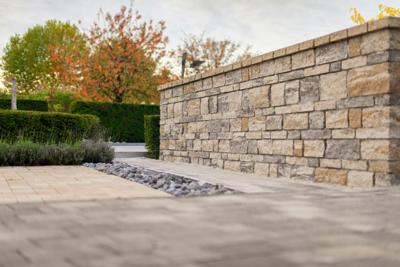

Luxury living extends well beyond a home's walls, and increasingly, it's the hardscaping, not just the planting, that defines whether an outdoor space feels genuinely elevated. Patios, retaining walls, walkways, and outdoor living structures form the architecture of a garden, shaping how a space is actually used long before a single plant goes into the ground.
Key Takeaways
- Hardscaping, patios, walkways, retaining walls, and outdoor structures, provides the structural framework a garden is built around, and is typically planned before planting design.
- Proper base preparation and drainage planning matter more to a hardscape's long-term performance than material choice alone.
- Well-executed hardscaping is one of the more valuable outdoor investments, improving usability and curb appeal while generally requiring less upkeep than heavily planted areas.
- Quality installations, built with climate-appropriate materials and proper drainage, commonly last several decades.
The Structure Behind Every Beautiful Garden
A garden without a well-considered hardscape tends to feel formless, however beautiful the planting. Defined patios, structured pathways, and retaining walls give an outdoor space its bones, creating the zones and sightlines that make a property feel intentional rather than simply landscaped.
Homeowners planning an outdoor renovation are often surprised to learn that hardscaping decisions, not plant selection, are usually made first. Grading, drainage, and material choices set the framework that planting design is then built around.
Getting the Foundation Right
Hardscaping done well accounts for far more than appearance. Proper base preparation, drainage planning, and material selection determine whether a patio or retaining wall performs beautifully for decades or begins showing problems within just a few seasons.
This is where working with genuine specialists pays off. The hardscaping experts at Artech Landscaping approach these projects with exactly this kind of engineering-first mindset, treating drainage and base preparation as seriously as the finished aesthetic, which is ultimately what allows a hardscape installation to hold up under real seasonal stress.
Balancing Hard Elements With Natural Planting
The most successful luxury landscapes treat hardscaping and planting as a single, considered composition rather than two separate projects. Stone paving, retaining walls, and outdoor living structures provide the structure, while layered planting introduces the texture, color, and seasonal movement that softens the built environment around them.
Getting this balance right means neither element competes for attention. A patio surrounded by thoughtfully chosen plantings feels considerably more refined than the same patio installed in isolation.
Choosing Materials Built to Last
Premium hardscape materials, natural stone, quality interlocking pavers, and well-engineered retaining wall systems, are chosen as much for long-term performance as for appearance. In climates with real seasonal swings, materials need to withstand freeze-thaw cycling without shifting, cracking, or requiring constant repair.
Professional guidance matters considerably here. Landscape Ontario, the province's horticultural trade association, maintains accreditation standards for landscape professionals and publishes resources on selecting materials suited to regional climate conditions, a useful reference for homeowners comparing contractor proposals.
Why Drainage Deserves Early Attention
Poorly planned hardscaping is one of the most common causes of drainage problems around a home's foundation, since impermeable surfaces redirect water in ways that aren't always obvious until a heavy rain event exposes the issue. This is increasingly a regulatory consideration as well as a design one.
The Ontario Ministry of the Environment, Conservation and Parks outlines stormwater management expectations that increasingly influence how hardscape projects are designed, particularly around permeable paving and grading near property lines, details worth raising with a contractor before a project begins rather than after.
Extending Living Space Outdoors
Well-executed hardscaping does more than frame a garden, it genuinely extends how much of a home is livable throughout the year. Covered patios, defined outdoor kitchens, and structured seating areas built on a proper hardscape foundation transform a backyard into a true extension of the home's living space rather than simply its backdrop.
Frequently Asked Questions
What's the difference between hardscaping and landscaping?
Hardscaping refers to the built, non-plant elements of an outdoor space, patios, walkways, retaining walls, and similar structures, while landscaping more broadly includes plant selection and garden design. The two work together, with hardscaping typically providing the structural framework that planting design is built around.
Does hardscaping increase property value?
Well-executed hardscaping is generally considered one of the more valuable outdoor investments, since it improves both usability and curb appeal while requiring less ongoing maintenance than heavily planted areas.
How long does quality hardscaping last?
With proper base preparation and material selection suited to the local climate, hardscape installations like patios and retaining walls commonly last several decades, with far less maintenance than most planted garden features require.
Should hardscaping or planting be planned first in a garden redesign?
Hardscaping is typically planned first, since grading, drainage, and structural elements establish the framework that planting design is then built around, rather than the other way around.
Exceptional outdoor spaces are built on this kind of foundation, thoughtful hardscaping, quality materials, and proper drainage planning working together with the planting above it. Getting the structural layer right from the outset is what allows a luxury garden to remain beautiful and functional for decades, rather than requiring costly correction just a few years in.


(0) comments
We welcome your comments
Log In
Post a comment as Guest
Keep it Clean. Please avoid obscene, vulgar, lewd, racist or sexually-oriented language.
PLEASE TURN OFF YOUR CAPS LOCK.
Don't Threaten. Threats of harming another person will not be tolerated.
Be Truthful. Don't knowingly lie about anyone or anything.
Be Nice. No racism, sexism or any sort of -ism that is degrading to another person.
Be Proactive. Use the 'Report' link on each comment to let us know of abusive posts.
Share with Us. We'd love to hear eyewitness accounts, the history behind an article.